

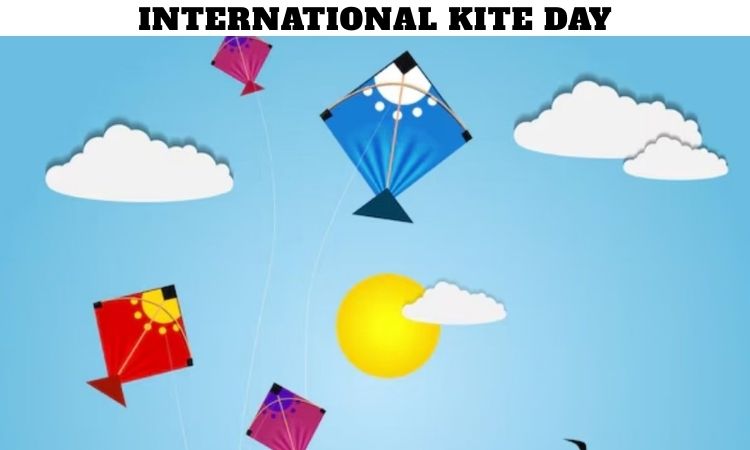
International Kite Day, celebrated annually on January 14, is a vibrant global festival that unites people through the simple yet powerful joy of flying kites. Observed prominently in countries like India, Pakistan, Nepal, Sri Lanka, Brazil, and parts of Asia and South America, this day symbolizes freedom, hope, cultural unity, and the human desire to soar beyond boundaries. As we mark International Kite Day, we come together to celebrate tradition, artistry, community bonding, and the beauty of open skies filled with colorful kites.
Historical Significance of International Kite Day
The tradition of kite flying dates back over 2,000 years, originating in ancient China, where kites were initially used for military communication, weather forecasting, and ceremonial purposes. Over centuries, kite flying evolved into a recreational and cultural activity, spreading across Asia and eventually the world. International Kite Day aligns with January 14, a date that coincides with seasonal transitions such as Makar Sankranti in India, marking the sun’s northward journey and the end of winter.
Why January 14 Holds Special Importance?
January 14 is deeply rooted in astronomical and agricultural significance. It represents renewal, longer days, and the promise of prosperity. Across cultures, this date is associated with harvest festivals, gratitude to nature, and joyful celebrations. International Kite Day amplifies these sentiments by turning the sky into a canvas of unity, where people of all ages participate in kite flying as a shared cultural expression.
International Kite Day in India
India is at the heart of International Kite Day celebrations, especially in states like Gujarat, Rajasthan, Maharashtra, Uttar Pradesh, and Tamil Nadu. The festival is closely linked with Makar Sankranti, known by various regional names such as Uttarayan, Pongal, Lohri, and Magh Bihu.
Uttarayan – The Grand Kite Festival of Gujarat
In Gujarat, International Kite Day transforms into the iconic Uttarayan Festival, drawing participants from across the globe. Cities like Ahmedabad, Surat, and Vadodara witness rooftops packed with families flying kites from dawn till dusk. The International Kite Festival, hosted in Ahmedabad, showcases kites of extraordinary shapes, sizes, and themes, making it a global attraction.
Global Celebrations of International Kite Day
While India leads the celebrations, International Kite Day is embraced worldwide:
Pakistan celebrates with Basant-inspired kite festivals.
Nepal associates kite flying with warding off bad luck.
Brazil hosts community kite events promoting creativity.
Japan showcases traditional Edo kites during winter festivals.
China, the birthplace of kites, honors the day with cultural exhibitions and competitions.
These global observances reinforce the universal appeal of kite flying as a symbol of peace and joy.
Cultural and Symbolic Meaning of Kites
Kites represent freedom, dreams, ambition, and connection with nature. As they rise high in the sky, they reflect humanity’s aspirations and the ability to overcome limitations. On International Kite Day, flying a kite becomes a metaphor for letting go of negativity and embracing positivity, hope, and togetherness.
Traditional Foods Associated with International Kite Day
Food plays a vital role in International Kite Day celebrations, especially in India. Seasonal delicacies are prepared using sesame seeds, jaggery, and newly harvested grains, symbolizing warmth and nourishment.
Popular foods include:
Tilgul
Chikki
Undhiyu
Khichdi
Pongal
Laddoos made of sesame and jaggery
These dishes enhance the festive spirit and strengthen community bonds.
Modern Innovations in Kite Flying
International Kite Day has evolved with modern innovations. Today, we see:
LED-lit kites illuminating night skies
Eco-friendly kites made from biodegradable materials
Artistic designer kites depicting global themes
Competitive kite battles using traditional techniques
These advancements keep the tradition alive while adapting to contemporary values.
Eco-Friendly and Safe Kite Flying Practices
As celebrations grow, responsible kite flying becomes essential. International Kite Day also promotes environmental awareness and safety measures:
Avoid using glass-coated strings
Choose biodegradable materials
Protect birds and wildlife
Fly kites in open, designated areas
Ensure child supervision
By adopting these practices, we ensure that joy does not come at the cost of nature or safety.
International Kite Day and Tourism
International Kite Day significantly boosts cultural tourism. Cities hosting major festivals attract thousands of domestic and international tourists, contributing to local economies. Hotels, artisans, food vendors, and event organizers benefit from increased footfall, making the festival a vital economic driver.
Educational and Social Impact
Beyond celebration, International Kite Day offers educational value. Schools and institutions organize workshops to teach:
Physics behind kite flying
History and cultural significance
Teamwork and creativity
Environmental responsibility
These activities make the festival meaningful for younger generations.
How We Can Celebrate International Kite Day?
We can celebrate International Kite Day by:
Flying kites with family and friends
Participating in local kite festivals
Supporting local artisans
Sharing cultural stories
Promoting eco-friendly practices
Capturing and sharing moments on social platforms
Every small action contributes to preserving this beautiful tradition.
International Kite Day in the Digital Era
With the rise of digital platforms, International Kite Day has gained global visibility. Social media campaigns, live streams, and virtual kite festivals connect people worldwide. Hashtags and online communities ensure that the spirit of kite flying transcends physical boundaries.
The Enduring Legacy of International Kite Day
International Kite Day continues to inspire generations by blending tradition, innovation, and community spirit. It reminds us that joy can be simple, skies are meant to be shared, and cultures thrive when celebrated collectively.
Conclusion: A Sky Full of Unity and Hope
As we celebrate International Kite Day, we reaffirm our connection to culture, nature, and one another. The sight of countless kites dancing in the sky is a powerful reminder that despite differences, humanity shares the same sky and the same dreams. Let us continue to honor this timeless tradition with responsibility, joy, and unity.