

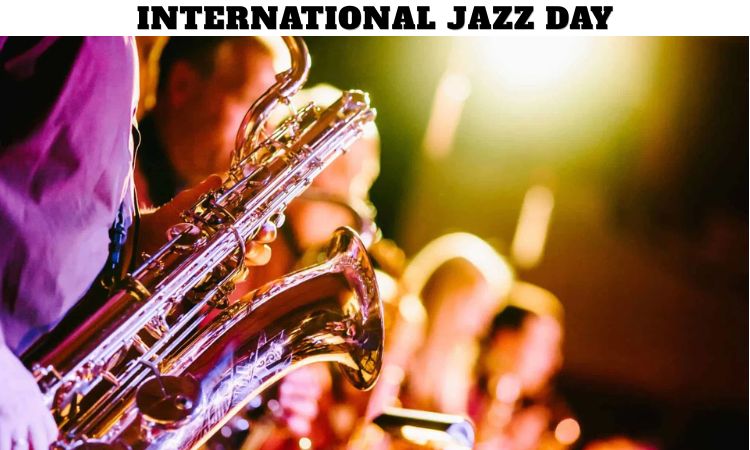
Every year on April 30, the world comes together to celebrate International Jazz Day, a global observance that honors jazz as one of humanity’s most powerful artistic languages. More than a music genre, jazz represents freedom, resilience, creativity, and cultural dialogue. It has crossed borders, broken barriers, and connected people from diverse backgrounds through improvisation, rhythm, and emotional depth.
International Jazz Day recognizes jazz not only for its musical brilliance but also for its role in promoting peace, unity, intercultural understanding, and respect for human dignity. From smoky clubs in New Orleans to international concert halls, jazz continues to inspire millions by blending history with innovation.
What Is International Jazz Day, and Why Is It Celebrated on April 30?
International Jazz Day is an annual global celebration established by UNESCO in 2011 to highlight jazz and its diplomatic role in uniting people worldwide. Celebrated every April 30, this day acknowledges jazz as an educational tool, a force for social change, and a symbol of creativity.
The date was chosen to create worldwide awareness of jazz’s roots and its influence on societies across continents. Through concerts, educational workshops, cultural programs, and community events, nations celebrate jazz’s enduring contribution to humanity.
This observance encourages us to appreciate jazz not only as entertainment but also as a movement that champions freedom of expression.
How Did Jazz Begin and Why Is Its History So Significant?
Jazz originated in the late 19th and early 20th centuries within African American communities in New Orleans, Louisiana. It evolved from a blend of African rhythms, blues, ragtime, spirituals, and European musical structures.
Jazz emerged from struggle and resilience, becoming a voice for communities seeking identity and liberation. Early pioneers transformed pain, hope, and innovation into sound. As jazz spread across the United States and eventually the world, it influenced countless genres, including swing, bebop, rock, funk, and hip-hop.
Its historical significance lies in its power to challenge racial divisions, encourage collaboration, and redefine artistic boundaries.
Why Is Jazz Considered a Universal Language of Freedom?
Jazz is often described as freedom in musical form because of its emphasis on improvisation. Unlike rigid compositions, jazz encourages musicians to express individuality while collaborating harmoniously.
This creative freedom mirrors democratic ideals—listening, adapting, and respecting each participant’s voice. Jazz transcends language barriers because rhythm and melody communicate emotion directly.
International Jazz Day celebrates this universal language by showcasing how jazz can foster peace and mutual understanding across nations.
How Has UNESCO Helped Elevate International Jazz Day Globally?
UNESCO created International Jazz Day to recognize jazz’s educational and cultural value. Supported by legendary jazz pianist Herbie Hancock, a UNESCO Goodwill Ambassador, the initiative has expanded into a worldwide movement.
UNESCO’s goals include:
- Promoting peace through cultural exchange
- Encouraging youth education through music
- Highlighting jazz’s roots in social justice
- Strengthening international cooperation
Each year, cities worldwide host concerts, workshops, and public performances that spotlight jazz’s global reach.
What Are the Core Elements That Make Jazz Unique?
Jazz stands apart because of its distinct musical characteristics:
- Improvisation: Spontaneous creativity
- Swing Rhythm: Dynamic groove and timing
- Blue Notes: Emotional tonal variations
- Syncopation: Unexpected rhythmic accents
- Collaboration: Musical conversation among performers
These elements make every jazz performance unique. No two interpretations are exactly alike, which keeps jazz vibrant and evolving.
Who Are the Legendary Figures That Shaped Jazz History?
Jazz has been defined by extraordinary artists whose innovations transformed music forever. Icons such as Louis Armstrong, Duke Ellington, Ella Fitzgerald, Charlie Parker, Miles Davis, John Coltrane, and Billie Holiday elevated jazz to global prominence.
These pioneers introduced new techniques, emotional storytelling, and groundbreaking compositions that continue to influence musicians today.
Their legacies are central to International Jazz Day, reminding us that jazz history is deeply connected to social progress and artistic courage.
How Does International Jazz Day Promote Education and Youth Development?
One of the day’s most important missions is inspiring younger generations through education. Schools, universities, and music institutions organize workshops, lectures, and performances to teach students about jazz’s cultural importance.
Jazz education develops:
- Creativity
- Discipline
- Teamwork
- Historical awareness
- Cultural appreciation
By learning jazz, young people gain both musical skills and broader perspectives on diversity and inclusion.
Why Does Jazz Play a Powerful Role in Social Justice Movements?
Throughout history, jazz has served as a soundtrack for change. During the Civil Rights Movement, jazz artists used their platforms to challenge inequality and advocate for justice.
Jazz became a symbol of resistance because it celebrated Black cultural excellence while confronting oppression. International Jazz Day acknowledges these roots, reinforcing jazz’s role as a force for equality.
This connection between music and activism remains relevant as jazz continues to address contemporary social issues.
How Can We Celebrate International Jazz Day Meaningfully?
There are countless ways to honor International Jazz Day:
- Attend live jazz performances
- Explore classic jazz albums
- Support local jazz musicians
- Watch international broadcasts
- Learn about jazz history
- Participate in music workshops
- Introduce children to jazz
Celebrating can be both personal and communal, whether through quiet listening or large public events.
What Is the Global Impact of Jazz in Modern Times?
Jazz’s influence extends far beyond traditional performance spaces. It shapes film scores, modern pop arrangements, electronic music, and cultural diplomacy.
Today, jazz festivals occur worldwide, from Montreux to Tokyo, Cape Town to Mumbai. International Jazz Day amplifies this worldwide presence by proving that jazz remains relevant in contemporary society.
As cultures continue blending musical traditions, jazz serves as both a foundation and an evolving frontier.
How Does International Jazz Day Inspire Unity Across Cultures?
At its core, International Jazz Day celebrates shared humanity. Jazz teaches us that diversity strengthens creativity. Different instruments, voices, and traditions can coexist beautifully when guided by mutual respect.
This lesson extends beyond music into society itself. By celebrating jazz, we celebrate collaboration, innovation, and peace.
April 30 reminds us that jazz is not confined to history—it is a living, breathing art form that continues to inspire change, joy, and connection across the globe.
Frequently Asked Questions (FAQs)
1. When is International Jazz Day celebrated?
International Jazz Day is celebrated every year on April 30.
2. Who created International Jazz Day?
UNESCO established International Jazz Day in 2011.
3. Why is jazz important globally?
Jazz promotes freedom, creativity, peace, and intercultural dialogue.
4. Where did jazz originate?
Jazz originated in New Orleans, Louisiana, USA.
5. What makes jazz different from other music genres?
Its improvisation, swing rhythms, and collaborative creativity make it unique.
6. Who is associated with promoting International Jazz Day?
Herbie Hancock has played a major role as a UNESCO ambassador.
7. How can schools celebrate International Jazz Day?
Schools can host workshops, performances, and jazz history lessons.
8. Why is jazz linked to social justice?
Jazz has historically challenged inequality and supported civil rights.
9. Can beginners appreciate jazz?
Yes, jazz offers diverse styles suitable for all listeners.
10. What is the main purpose of International Jazz Day?
Its purpose is to unite people worldwide through jazz and cultural understanding.