

What Is International Ear Care Day, and Why Is It Observed on March 3?
International Ear Care Day, observed annually on March 3, is a global health awareness initiative dedicated to promoting ear health, hearing care, and prevention of hearing loss worldwide. The day emphasizes the importance of early detection, proper treatment, and protective practices that help individuals maintain healthy hearing throughout their lives.
The date March 3 (3/3) symbolizes the shape of two ears, making it a meaningful choice for raising awareness about hearing health. This observance is strongly supported by the World Health Organization, which leads global campaigns aimed at reducing preventable hearing loss and improving access to ear and hearing care services.
We recognize International Ear Care Day as an essential opportunity to educate communities, encourage medical screenings, and highlight the need for accessible hearing healthcare systems worldwide.
Why Is Ear Care So Important for Overall Health?
Ear health is closely connected to communication, cognitive function, emotional well-being, and quality of life. Hearing allows individuals to interact socially, learn effectively, and maintain independence. When hearing problems occur, they can lead to:
Communication difficulties
Social isolation
Learning challenges in children
Reduced productivity
Mental health concerns
Cognitive decline in older adults
We understand that maintaining ear health is not only about hearing sounds but also about preserving human connection and personal well-being.
What Are the Main Causes of Hearing Loss Worldwide?
Hearing loss can occur due to multiple factors, many of which are preventable. Common causes include:
1. Noise Exposure
Prolonged exposure to loud sounds from headphones, machinery, concerts, or traffic can damage sensitive inner ear structures permanently.
2. Ear Infections
Untreated infections, particularly in children, can lead to long-term hearing complications.
3. Aging (Presbycusis)
Natural age-related hearing decline affects millions of older adults globally.
4. Genetic Factors
Some individuals inherit conditions that affect hearing ability.
5. Ototoxic Medications
Certain medications can damage hearing when used improperly or in high doses.
6. Injury or Trauma
Head injuries or sudden pressure changes may impair hearing.
We emphasize that many of these causes can be prevented through awareness, protective measures, and timely medical care.
How Does International Ear Care Day Raise Awareness Globally?
International Ear Care Day promotes education and action through various global initiatives such as:
Public health campaigns
Free hearing screenings
Educational workshops
School awareness programs
Medical conferences
Social media campaigns
Community outreach events
Healthcare professionals, governments, and organizations collaborate to ensure that information about ear care reaches people of all ages and backgrounds.
We observe that awareness campaigns play a critical role in preventing hearing loss, particularly in developing regions where access to healthcare may be limited.
What Are the Early Signs of Hearing Problems?
Recognizing early symptoms is essential for preventing long-term damage. Warning signs include:
Difficulty understanding conversations
Frequently asking others to repeat themselves
Ringing in the ears (tinnitus)
Turning up the volume excessively
Trouble hearing in noisy environments
Ear pain or discharge
Dizziness or balance issues
We encourage individuals experiencing these symptoms to seek professional evaluation promptly to prevent worsening conditions.
How Can Hearing Loss Be Prevented?
Prevention is one of the main goals of International Ear Care Day. Effective strategies include:
Protecting Ears from Loud Sounds
Using earplugs or noise-canceling devices in loud environments significantly reduces risk.
Safe Listening Practices
Limiting headphone volume and taking listening breaks helps protect hearing.
Treating Ear Infections Early
Prompt medical attention prevents complications.
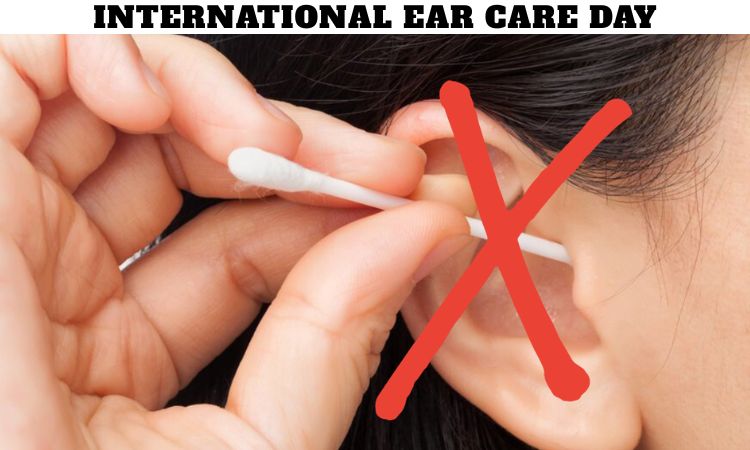
Avoiding Insertion of Objects into Ears
Using cotton swabs or sharp objects can damage the ear canal and eardrum.
Regular Hearing Checkups
Routine screenings help detect problems early, especially for children and older adults.
We recognize that simple preventive steps can dramatically reduce the global burden of hearing impairment.
Why Is Ear Care Important for Children?
Children are particularly vulnerable to ear infections and untreated hearing problems, which can affect speech development, education, and social skills. Early detection ensures proper learning and communication development.
Parents and caregivers play a crucial role by:
Monitoring children’s hearing responses
Seeking medical advice for ear infections
Ensuring vaccinations are up to date
Avoiding exposure to loud noise
Encouraging safe headphone use
We emphasize that protecting children’s hearing supports their long-term cognitive and educational success.
What Role Does Technology Play in Ear and Hearing Care?
Modern technology has transformed hearing healthcare through innovations such as:
Digital hearing aids
Cochlear implants
Mobile hearing test applications
Noise-monitoring devices
Telemedicine consultations
These advancements improve the accessibility, comfort, and effectiveness of hearing treatments. We see technology as a powerful tool for reducing barriers to ear care services globally.
How Does Hearing Loss Affect Mental and Social Health?
Untreated hearing loss can lead to emotional and psychological challenges, including:
Social withdrawal
Depression
Anxiety
Reduced confidence
Cognitive strain
Loneliness
We understand that hearing health is deeply connected to emotional well-being. Addressing hearing problems improves relationships, communication, and overall life satisfaction.
Why Is Global Awareness Still Needed?
Despite medical advancements, millions of people worldwide still lack access to ear and hearing care services. Barriers include:
Limited healthcare infrastructure
Lack of awareness
Financial constraints
Social stigma
Shortage of trained professionals
International Ear Care Day aims to reduce these disparities by promoting policy changes, funding initiatives, and education campaigns.
We believe global cooperation is essential to ensure hearing healthcare becomes accessible to everyone, regardless of location or income level.
How Can Individuals Participate in International Ear Care Day?
There are many ways individuals can support and observe this important day:
Scheduling a hearing test
Sharing awareness information
Practicing safe listening habits
Supporting hearing health organizations
Educating family members
Participating in community events
Small actions collectively contribute to a significant global impact.
What Are the Long-Term Benefits of Proper Ear Care?
Maintaining ear health provides lifelong benefits, including:
Better communication
Improved academic and professional performance
Stronger social connections
Enhanced mental health
Greater independence in older age
Higher quality of life
We recognize that ear care is an investment in overall health and well-being.
What Message Does International Ear Care Day Promote?
The core message of International Ear Care Day focuses on three key principles:
Prevention of hearing loss
Early detection and treatment
Access to hearing care for all
By promoting these goals, the initiative encourages individuals and governments to prioritize hearing health as a fundamental component of public health.
How Will Ear Care Awareness Shape the Future?
The future of hearing healthcare depends on continued education, research, and innovation. As awareness grows, we anticipate:
Improved screening programs
More affordable hearing devices
Better healthcare policies
Increased global collaboration
Reduced stigma surrounding hearing aids
We see International Ear Care Day as a catalyst for long-term improvements in global health systems.
Why Does March 3 Matter for Global Health Awareness?
March 3 serves as a reminder that hearing health is a universal concern affecting people of all ages and backgrounds. By dedicating a day to ear care awareness, the global community reinforces the importance of preventive healthcare and equal access to medical services.