

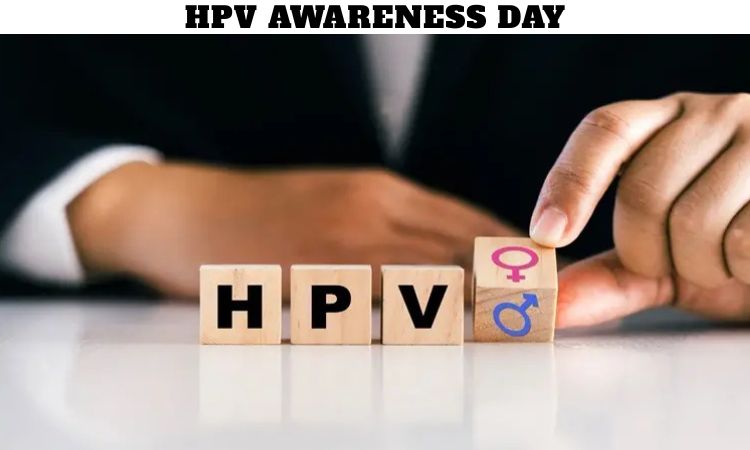
What Is HPV Awareness Day and Why Is It Observed on March 4?
HPV Awareness Day, observed every year on March 4, is a global initiative dedicated to raising awareness about human papillomavirus (HPV), one of the most common viral infections worldwide. The day focuses on educating people about HPV transmission, prevention, vaccination, early detection, and its link to several types of cancers, especially cervical cancer. Public health organizations, healthcare professionals, advocacy groups, and governments use this occasion to promote screening programs and vaccination campaigns to reduce HPV-related diseases.
HPV Awareness Day also aims to break myths and stigma surrounding sexually transmitted infections. Many people are unaware that HPV is extremely common and that most sexually active individuals will be exposed to it at some point in their lives. Increasing awareness empowers individuals to make informed decisions about vaccination and regular health checkups, ultimately saving lives.
What Exactly Is HPV and How Does It Spread?
Human papillomavirus (HPV) is not a single virus but a group of more than 200 related viruses. Some types cause harmless skin warts, while others are considered “high-risk” strains that can lead to cancers, including cervical, anal, throat, penile, vaginal, and vulvar cancers.
HPV spreads primarily through intimate skin-to-skin contact, most commonly during sexual activity. Unlike some infections, HPV does not require intercourse to spread; close genital contact is sufficient. Because symptoms often do not appear immediately, many people unknowingly transmit the virus to partners.
Most HPV infections resolve naturally within one to two years without causing health problems. However, persistent infection with high-risk strains can lead to abnormal cell changes and cancer over time.
Why Is HPV Awareness Important for Both Women and Men?
HPV is often discussed in relation to cervical cancer, but it affects both men and women. While women face a higher risk of HPV-related cancers due to cervical infection, men can develop cancers of the throat, anus, and penis caused by HPV. Men can also carry and transmit the virus without symptoms.
Awareness is crucial because prevention methods—particularly vaccination—are highly effective. Educating both genders ensures better community protection, reduces transmission, and encourages early diagnosis of HPV-related conditions.
How Serious Is HPV-Related Cancer Worldwide?
HPV is responsible for nearly all cases of cervical cancer globally. According to the World Health Organization, cervical cancer remains one of the leading causes of cancer deaths among women in many low- and middle-income countries. Thousands of preventable deaths occur each year simply due to a lack of awareness, screening, or vaccination.
HPV is also linked to a growing number of throat cancers, particularly in men. These cancers can significantly impact quality of life, requiring intensive treatments such as surgery, radiation, or chemotherapy.
The encouraging news is that most HPV-related cancers are preventable through vaccination and routine screening programs.
What Are the Symptoms of HPV Infection?
In many cases, HPV infections do not produce noticeable symptoms, which is why regular screening is so important. When symptoms do occur, they may include:
Genital warts (small, flesh-colored bumps in the genital area)
Abnormal bleeding or discharge (in advanced cervical disease)
Persistent sore throat or difficulty swallowing (in throat cancers)
Pain during intercourse (in some cases)
Because symptoms often appear late, screening tests such as Pap smears and HPV tests play a critical role in early detection.
How Does HPV Vaccination Work and Who Should Get It?
HPV vaccines protect against the most dangerous strains responsible for the majority of cancers and genital warts. Vaccination works by stimulating the immune system to produce antibodies that prevent infection if exposure occurs later.
Health experts recommend vaccination for:
Boys and girls aged 9–14 (ideal age before sexual exposure)
Teenagers and young adults up to age 26 (if not vaccinated earlier)
Some adults aged 27–45 after consulting healthcare providers
The Centers for Disease Control and Prevention confirms that HPV vaccines are safe, effective, and provide long-lasting protection.
Vaccination is most effective when given before exposure to the virus, but even sexually active individuals can benefit.
Can HPV Be Prevented Without Vaccination?
While vaccination is the most effective prevention tool, other measures can reduce risk:
Using barrier protection such as condoms
Limiting the number of sexual partners
Regular health screenings
Maintaining a healthy immune system
Avoiding tobacco use, which increases cancer risk
However, condoms do not provide complete protection because HPV can infect areas not covered by them. This is why vaccination remains the cornerstone of prevention.
Why Are Regular Screenings Important for Women?
Screening tests can detect abnormal cervical cells before they turn into cancer. Two common screening methods include:
Pap smear (Pap test): Detects abnormal cell changes in the cervix
HPV test: Identifies the presence of high-risk HPV strains
Regular screening allows doctors to treat precancerous changes early, preventing cancer development. Many countries recommend starting screening at age 21 and continuing at regular intervals depending on age and risk factors.
What Is the Role of Governments and Global Organizations in HPV Prevention?
Governments and international organizations play a crucial role in reducing HPV-related diseases through vaccination programs, awareness campaigns, and screening initiatives.
For example, the Government of India has introduced cervical cancer prevention initiatives, including HPV vaccination programs in certain states. Global partnerships such as Gavi, the Vaccine Alliance help provide affordable vaccines to developing countries, ensuring wider access for vulnerable populations.
Such collaborations aim to eliminate cervical cancer as a public health problem in the coming decades.
Why Do Myths and Stigma Surround HPV?
Because HPV is sexually transmitted, social stigma often prevents open discussions about it. Some common myths include:
Only promiscuous individuals get HPV
HPV affects only women
Vaccination encourages early sexual activity
HPV infection always leads to cancer
In reality, HPV is extremely common, affects both genders, and most infections do not cause cancer. Education helps remove fear and misinformation, encouraging more people to seek vaccination and screening.
How Can Parents Talk to Their Children About HPV?
Parents play a key role in prevention by ensuring their children receive vaccinations at the recommended age. Conversations should focus on health protection rather than sexual activity. Explaining that the vaccine prevents certain cancers often helps parents and teenagers understand its importance.
Healthcare providers can also guide families and answer questions about vaccine safety and benefits.
What Challenges Exist in HPV Awareness and Prevention?
Despite medical advancements, several challenges remain:
Lack of awareness in rural and underserved areas
Limited access to screening programs
Vaccine hesitancy due to misinformation
Cultural stigma around sexual health discussions
Cost barriers in some regions
Addressing these challenges requires education campaigns, community engagement, and affordable healthcare services.
How Can Individuals Support HPV Awareness Day?
Everyone can contribute to HPV awareness in simple ways:
Sharing educational information on social media
Encouraging friends and family to get vaccinated
Scheduling regular health screenings
Participating in awareness campaigns or events
Supporting organizations working in cancer prevention
Even small actions can create a significant impact when communities work together.
What Is the Future of HPV Prevention?
Medical research continues to improve HPV prevention strategies. Scientists are working on broader vaccines that protect against more strains and exploring new screening technologies that are faster and more accessible.
Public health experts believe that with widespread vaccination and screening, cervical cancer could become one of the first cancers eliminated globally. This optimistic future depends heavily on awareness efforts like HPV Awareness Day.
Why Should You Care About HPV Awareness Day?
HPV Awareness Day is not just about information—it is about saving lives. HPV-related cancers are largely preventable, yet many people remain unaware of the risks and solutions. By promoting vaccination, regular screening, and open conversations, society can significantly reduce the burden of HPV-related diseases.