

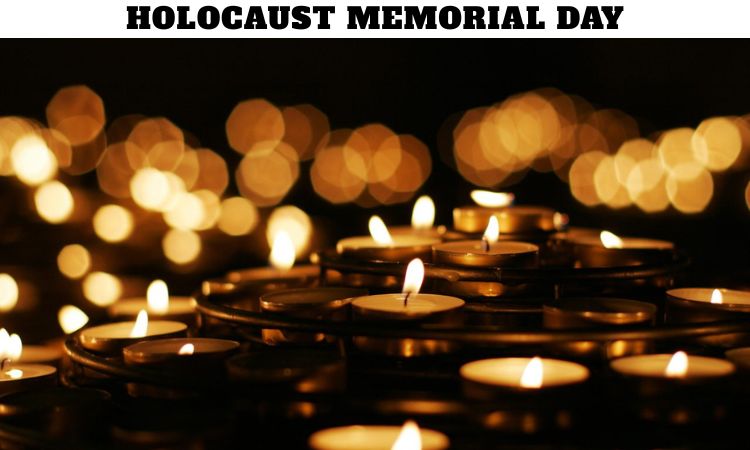
Holocaust Memorial Day is observed globally as a solemn day of remembrance dedicated to the millions of innocent lives lost during the Holocaust. We commemorate this date to honor the memory of six million Jewish men, women, and children, alongside millions of other victims, including Roma communities, disabled individuals, political dissidents, LGBTQ+ people, and other persecuted groups who suffered under Nazi tyranny.
January 27 marks the liberation of Auschwitz-Birkenau in 1945, the largest and most infamous Nazi concentration and extermination camp. This date stands as a universal symbol of remembrance, resilience, and moral responsibility. Through this observance, we reaffirm our commitment to remembering history truthfully and confronting hatred in all its forms.
Historical Background of the Holocaust
The Holocaust was a state-sponsored, systematic campaign of persecution and genocide carried out by Nazi Germany and its collaborators between 1933 and 1945. Rooted in extreme antisemitism, racial ideology, and authoritarian control, the Holocaust resulted in one of the darkest chapters in human history.
We recognize that the atrocities did not begin overnight. They escalated through discriminatory laws, propaganda, social exclusion, forced ghettos, mass deportations, and finally, industrial-scale murder in extermination camps. Remembering these historical realities is essential to understanding how fragile human rights can be when intolerance goes unchecked.
Why January 27 Is Internationally Observed?
January 27 was officially designated as International Holocaust Memorial Day by the United Nations General Assembly in 2005. This decision reinforced the global responsibility to preserve the memory of the Holocaust and educate future generations about the consequences of hatred, racism, and dehumanization.
We observe this day not only to mourn the victims but also to stand united against denial, distortion, and historical revisionism. Holocaust Memorial Day is a call to vigilance, reminding us that silence and indifference can enable injustice.
Victims Beyond the Jewish Community
While Jewish people were the primary targets of the Holocaust, Holocaust Memorial Day also honors the memory of millions of others persecuted and murdered by the Nazi regime. These include:
Roma and Sinti communities
People with disabilities
Polish civilians and Soviet prisoners of war
Political opponents
Religious minorities
LGBTQ+ individuals
By acknowledging all victims, we ensure an inclusive and accurate remembrance that reflects the full scope of Nazi crimes.
The Role of Remembrance in Modern Society
We believe remembrance is not passive—it is an active moral responsibility. Holocaust Memorial Day challenges us to reflect on our shared humanity and recognize the warning signs of hatred and exclusion in contemporary society.
Through remembrance, we strengthen our collective resolve to defend dignity, equality, and justice. We learn that prejudice, if ignored, can escalate into violence, and that ordinary individuals play a crucial role in either resisting or enabling injustice.
Education as a Pillar of Holocaust Remembrance
Education stands at the heart of Holocaust remembrance. We emphasize the importance of teaching accurate historical facts, survivor testimonies, and ethical lessons drawn from the Holocaust. Educational programs, memorials, museums, and digital archives help preserve these truths for future generations.
By educating young people, we empower them to challenge stereotypes, reject hate speech, and promote empathy. Holocaust education is not only about the past—it is a foundation for a more informed, compassionate, and resilient society.
Survivor Testimonies and Living Memory
Holocaust survivors carry living memories that bridge history and humanity. Their testimonies provide powerful, personal insights into the realities of persecution, survival, and resilience. As the number of survivors decreases with time, we recognize the urgency of preserving their voices through recorded interviews, written memoirs, and educational initiatives.
We honor survivors not only for enduring unimaginable suffering but also for their courage in sharing their stories to educate and inspire future generations.
Combating Antisemitism and Hate Today
Holocaust Memorial Day is also a day of action. We confront the persistence of antisemitism, racism, xenophobia, and extremism in modern societies. Hate crimes, online misinformation, and denial narratives remind us that the lessons of the Holocaust remain urgently relevant.
By standing against discrimination in all forms, we uphold the values of tolerance and respect. Remembering the Holocaust strengthens our determination to protect minority rights and promote inclusive communities.
Global Commemorations and Ceremonies
Around the world, Holocaust Memorial Day is marked through official ceremonies, candlelight vigils, educational events, and moments of silence. Governments, institutions, schools, and communities come together to reflect, remember, and reaffirm their commitment to human rights.
These commemorations provide spaces for collective mourning and reflection while reinforcing shared global values rooted in dignity and justice.
The Universal Message of Holocaust Memorial Day
The message of Holocaust Memorial Day extends beyond history. It speaks to the present and future, urging us to recognize our responsibility toward one another. We are reminded that genocide and mass atrocities are not inevitable—they are the result of choices made by individuals, institutions, and societies.
By remembering the Holocaust, we strengthen our resolve to build a world where diversity is respected, truth is defended, and human life is valued above ideology.
Our Commitment to Remembrance and Responsibility
We observe Holocaust Memorial Day with humility, respect, and determination. We remember the victims, honor the survivors, and commit ourselves to safeguarding historical truth. Through remembrance, education, and action, we strive to ensure that such atrocities are never repeated.