

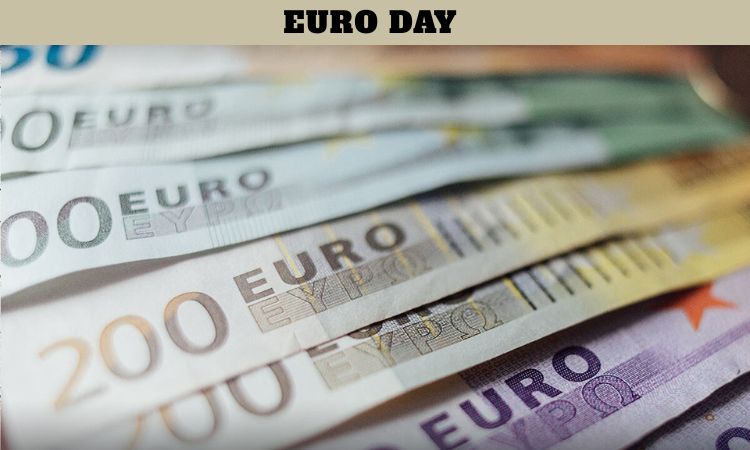
Euro Day, celebrated every year on January 1, marks a historic milestone in the economic and political unity of Europe. This significant day commemorates the official introduction of the euro as a common currency, symbolizing cooperation, stability, and shared progress among European nations. Since its launch, the euro has become one of the most influential currencies in the world, shaping trade, travel, and financial integration across borders.
Euro Day is not just about money—it represents unity, collaboration, and the collective vision of a stronger Europe. Observed annually on the first day of the year, it highlights the transformative impact of a shared currency on everyday life and the global economy.
The Origin and Significance of Euro Day
Euro Day marks the historic moment on January 1, 1999, when the euro was officially introduced as a virtual currency for financial transactions. Later, on January 1, 2002, euro banknotes and coins entered circulation, becoming the everyday currency for millions of people across Europe.
This milestone represented one of the most ambitious economic projects in modern history. By replacing multiple national currencies, the euro simplified trade, travel, and financial exchange, fostering deeper economic cooperation among participating countries.
The Birth of the Euro: A Turning Point in European History
The creation of the euro was driven by the vision of a united Europe—one where economic barriers would be reduced and prosperity shared. The European Union recognized that a single currency would strengthen internal markets, stabilize economies, and increase global competitiveness.
Euro Day celebrates this bold step toward unity. It reflects the success of long-term planning, cooperation, and mutual trust among member states. Today, the euro is used by hundreds of millions of people and stands as one of the most traded currencies in the world.
Why Euro Day Matters
Euro Day is significant for several reasons:
It marks economic unity across multiple nations
It symbolizes peace and cooperation after centuries of conflict
It simplifies cross-border trade and travel
It strengthens the European identity
This day reminds citizens of the shared values and goals that bind Europe together beyond geographical and cultural differences.
The Economic Impact of the Euro
The introduction of the euro transformed the European economy. Businesses benefited from reduced exchange costs, price transparency, and improved financial stability. Consumers gained easier access to cross-border shopping and travel without currency exchange concerns.
Euro Day highlights how the common currency has:
Encouraged investment and trade
Strengthened financial markets
Improved economic coordination among member states
The euro has become a cornerstone of Europe’s economic infrastructure.
Euro Day and European Unity
Beyond economics, Euro Day represents unity and cooperation. The euro serves as a daily reminder of shared responsibility and collective progress. It connects diverse cultures, languages, and traditions under one monetary system.
This unity fosters a sense of belonging and shared destiny among European citizens. Even in times of challenge, the euro stands as a symbol of resilience and collaboration.
Cultural Significance of Euro Day
While often viewed through an economic lens, Euro Day also holds cultural importance. The euro banknotes and coins feature designs that reflect European heritage, architecture, and shared values without favoring any single nation.
Each coin includes a national side and a common European side, symbolizing both individuality and unity. This artistic representation reinforces the idea that diversity strengthens collective identity.
Euro Day in Everyday Life
For millions of people, the euro is part of daily life—from buying groceries to planning international travel. Euro Day offers an opportunity to reflect on how seamlessly the currency integrates into everyday activities.
The euro simplifies:
Travel across European borders
Online and in-store transactions
Business operations across countries
Its convenience has reshaped how people interact economically across Europe.
Educational Importance of Euro Day
Educational institutions use Euro Day to teach students about economics, finance, and European history. It provides an opportunity to understand how financial systems influence societies and global markets.
Common educational themes include:
The history of European integration
The role of central banks
The importance of monetary stability
By learning about the euro, students gain insight into global economic cooperation.
Euro Day and Global Influence
The euro plays a crucial role in the global financial system. It is the second most traded currency worldwide and serves as a reserve currency for many countries.
Euro Day acknowledges this global influence and highlights Europe’s role in shaping international economic policy. The euro contributes to financial stability, international trade, and global investment strategies.
Challenges and Resilience of the Euro
Over the years, the euro has faced economic challenges, including financial crises and shifting political landscapes. Despite these hurdles, the currency has demonstrated resilience through reforms, cooperation, and shared responsibility.
Euro Day serves as a reminder of the strength that comes from unity and adaptability in the face of change.
The Future of the Euro
As technology and global markets evolve, the future of the euro continues to develop. Digital currencies, sustainable finance, and economic innovation are shaping the next chapter of Europe’s monetary journey.
Euro Day encourages forward-thinking discussions about:
Digital euro initiatives
Sustainable economic growth
Financial inclusion across member states
The euro remains central to Europe’s future vision.
How Euro Day Is Celebrated?
While Euro Day is not marked by large public festivities, it is recognized through educational programs, media discussions, and institutional events. Financial institutions, schools, and organizations reflect on the achievements and goals of the euro.
Citizens celebrate by acknowledging the convenience, stability, and opportunities the common currency provides.
Why Euro Day Matters Today?
In a rapidly changing world, Euro Day reminds us of the power of cooperation and shared purpose. It reflects how unity can drive economic strength, social cohesion, and long-term stability.
This day encourages Europeans to appreciate the value of collaboration and to continue building a prosperous future together.
Conclusion: Celebrating the Spirit of Euro Day
Euro Day – January 1 stands as a symbol of unity, progress, and shared ambition. It celebrates the success of a common currency that has reshaped Europe’s economic landscape and strengthened global connections.