

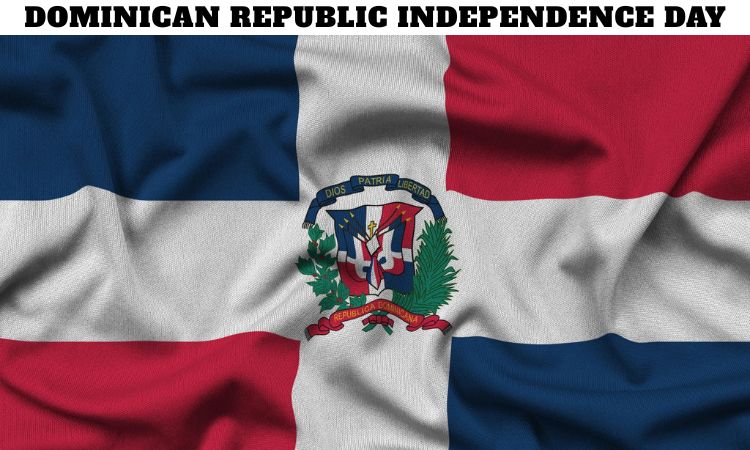
Dominican Republic Independence Day, celebrated annually on February 27, stands as one of the most powerful symbols of sovereignty, resilience, and national identity in the Caribbean. On this historic day in 1844, the people of the Dominican Republic declared their independence, establishing a free and self-governing republic after years of foreign rule. The celebration is not merely a public holiday; it is a profound expression of cultural pride, patriotism, and historical remembrance.
What Is the Historical Background of Dominican Republic Independence Day?
To fully understand the importance of February 27, we must look back at the turbulent years that shaped the nation. The eastern portion of the island of Hispaniola experienced shifting control between European colonial powers. After Spanish rule weakened, the territory briefly declared independence in 1821, only to be unified with Haiti shortly afterward.
For 22 years, from 1822 to 1844, the eastern side remained under Haitian governance. Although this period brought administrative reforms, it also sparked a growing desire among Dominicans for self-determination. Cultural, linguistic, and political differences intensified the push for sovereignty.
On the night of February 27, 1844, Dominican patriots seized the Fortaleza Ozama in Santo Domingo and proclaimed independence. The sound of a historic gunshot signaled the birth of a new nation.
Who Were the Founding Fathers of Dominican Independence?
Three names stand at the heart of Dominican independence: Juan Pablo Duarte, Francisco del Rosario Sánchez, and Ramón Matías Mella. These visionary leaders organized and inspired a liberation movement grounded in courage and unity.
Duarte, the ideological architect of independence, founded the secret society La Trinitaria in 1838. This underground movement sought to mobilize Dominicans around the ideals of liberty and national identity. Sánchez and Mella played decisive roles in executing the independence plan, demonstrating unwavering determination at critical moments.
Their combined leadership forged a movement that would ultimately succeed against formidable odds, laying the foundation for the Dominican Republic as a sovereign state.
Why Is February 27 a Symbol of National Identity?
February 27 represents more than a date in history; it embodies Dominican resilience and unity. Independence Day reinforces a shared narrative of struggle, triumph, and pride. The red, white, and blue Dominican flag, bearing the national coat of arms, becomes a central symbol during celebrations.
Across cities and rural communities alike, homes, schools, and government buildings display the flag prominently. Patriotic music fills the air, reminding citizens of the sacrifices made to secure freedom.
This annual observance strengthens intergenerational understanding of national heritage, ensuring that the legacy of independence remains vibrant and relevant.
How Is Dominican Republic Independence Day Celebrated?
Celebrations begin weeks in advance, with educational programs and cultural events organized nationwide. The most elaborate ceremonies take place in Santo Domingo, where military parades, official speeches, and civic gatherings honor the nation’s founding.
Military Parades and Official Ceremonies
The Armed Forces conduct grand parades featuring marching units, aerial displays, and traditional uniforms. Government officials deliver speeches highlighting national achievements and reaffirming commitments to progress and unity.
Cultural Performances and Community Events
Traditional Dominican music, including merengue and bachata, plays a central role in festivities. Folk dances and theatrical reenactments bring historical moments to life, allowing citizens to connect emotionally with their past.
Religious Observances
Church services also mark the occasion, reflecting the deep spiritual traditions woven into Dominican society. These services offer prayers for national prosperity and continued peace.
What Role Do Schools Play in the Celebration?
Educational institutions dedicate significant attention to Independence Day. Students participate in history projects, poetry recitations, and patriotic performances. Classrooms transform into spaces of remembrance, decorated with national symbols and historical portraits.
By teaching the story of independence, schools cultivate civic responsibility and national pride among younger generations.
How Did Independence Shape the Nation’s Political Development?
Following independence in 1844, the Dominican Republic faced numerous internal and external challenges. Political instability, foreign interventions, and economic struggles tested the young republic. Despite these obstacles, the commitment to sovereignty remained steadfast.
The independence movement established core principles of self-governance, constitutional authority, and national identity. Over time, democratic institutions evolved, strengthening the framework envisioned by the founding fathers.
February 27 serves as a reminder of the enduring value of political autonomy and the responsibility that accompanies it.
What Cultural Traditions Are Associated with Independence Day?
Dominican culture flourishes during Independence Day celebrations. Traditional attire, including white garments symbolizing purity and peace, becomes common. Culinary traditions also play a central role, with families preparing classic Dominican dishes such as rice, beans, plantains, and roasted meats.
Public spaces host concerts and art exhibitions showcasing local talent. These cultural expressions highlight the vibrancy and diversity of Dominican society.
Why Does the Dominican Flag Hold Special Meaning on This Day?
The Dominican flag is unique among world flags for prominently featuring a Bible within its coat of arms. This design reflects the country’s spiritual heritage and foundational values.
On Independence Day, the flag symbolizes unity across regions and social backgrounds. Citizens view it not only as a national emblem but as a testament to collective perseverance.
How Does the Dominican Diaspora Celebrate Abroad?
Dominican communities worldwide commemorate February 27 with equal enthusiasm. In cities across North America, Europe, and Latin America, expatriates organize parades, cultural festivals, and community gatherings.
These international celebrations strengthen bonds among Dominicans living abroad and maintain strong connections to their homeland.
What Lessons Does Independence Day Teach Future Generations?
Dominican Republic Independence Day conveys enduring lessons about unity, courage, and civic responsibility. It demonstrates that determined citizens can overcome political and social challenges through collective action.
The narrative of 1844 encourages future generations to protect democratic institutions, respect cultural heritage, and pursue national progress.
How Does Independence Day Influence National Pride Today?
In modern times, February 27 continues to inspire pride across the Dominican Republic. It offers an opportunity to reflect on economic growth, cultural achievements, and global contributions.
The day fosters dialogue about national aspirations, encouraging citizens to contribute positively to society. It reinforces a shared commitment to stability, prosperity, and cultural preservation.
What Makes Dominican Republic Independence Day Unique Among National Holidays?
Unlike many national holidays focused solely on leisure, Independence Day centers on historical consciousness and patriotic expression. The observance blends solemn remembrance with vibrant celebration.
The combination of military ceremony, cultural expression, educational engagement, and religious reflection creates a multifaceted tribute to national identity.
Why Does February 27 Continue to Matter in the 21st Century?
In an increasingly interconnected world, sovereignty and cultural identity remain essential pillars of nationhood. February 27 serves as a reaffirmation of independence and unity.
As globalization reshapes economies and societies, Independence Day provides a moment to reflect on the values that define the Dominican Republic. It reminds citizens of their collective strength and shared history.
Conclusion: A Celebration of Freedom and National Unity
Dominican Republic Independence Day on February 27 stands as a defining chapter in Caribbean history. From the courageous actions of Duarte, Sánchez, and Mella to the vibrant celebrations seen today, the day represents a journey of perseverance and triumph.