

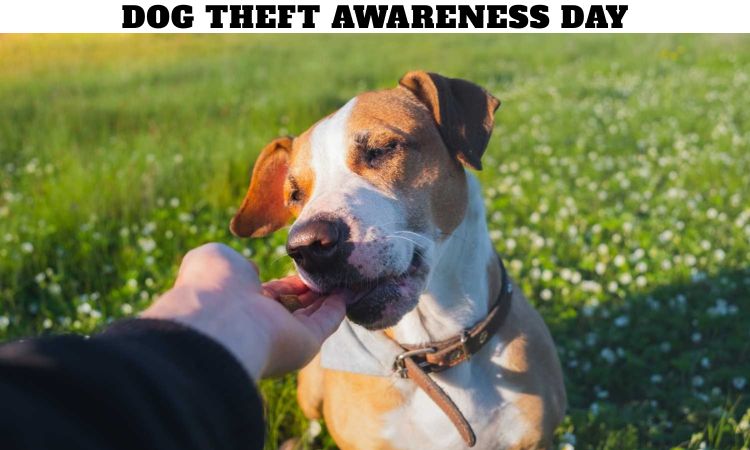
Dog Theft Awareness Day, observed on March 14 each year, is an important initiative dedicated to highlighting the growing issue of dog theft and encouraging responsible pet ownership. Across communities worldwide, this awareness day focuses on educating dog owners about preventive measures, legal protections, and the emotional impact of losing a beloved companion. As dogs are widely regarded as loyal family members rather than just pets, the importance of safeguarding them has never been greater.
Dog Theft Awareness Day aims to foster vigilance, strengthen community support, and promote awareness about the steps individuals and authorities can take to reduce pet theft incidents. Through campaigns, educational programs, and advocacy efforts, this observance emphasizes the need for collective action to ensure the safety and well-being of every dog.
Understanding Dog Theft and Its Rising Concern
Dog theft refers to the unlawful taking of a dog from its owner without consent. While pet theft has existed for many years, increased demand for specific breeds, online resale opportunities, and illegal breeding activities have contributed to a noticeable rise in such incidents in several regions.
Stolen dogs may be sold to unsuspecting buyers, used for illegal breeding operations, or even exploited in criminal activities. The emotional distress experienced by pet owners during such events is profound. Dogs often play a central role in family life, providing companionship, emotional support, and even therapeutic benefits.
Dog Theft Awareness Day encourages communities to recognize the seriousness of this issue and work proactively to prevent it.
Origins and Purpose of Dog Theft Awareness Day
Dog Theft Awareness Day was created by animal welfare advocates and pet safety organizations to bring attention to the lack of awareness surrounding pet theft. The goal is not only to highlight the risks but also to promote practical solutions that can help prevent incidents.
The observance serves several key purposes:
Educating dog owners about security measures
Encouraging responsible breeding and adoption practices
Supporting stronger legal frameworks for pet protection
Promoting microchipping and identification initiatives
Building community networks to report suspicious activities
By focusing on prevention and awareness, this day aims to reduce the number of theft cases and improve recovery rates for missing dogs.
Why Dogs Become Targets for Theft?
Understanding the motivations behind dog theft is essential for prevention. Several factors contribute to the vulnerability of dogs:
High Demand for Certain Breeds
Popular or rare breeds often command high prices in the market. Criminals may target these dogs for resale or illegal breeding purposes.
Unsupervised Outdoor Access
Dogs left unattended in yards, outside shops, or in vehicles can become easy targets. Opportunistic theft occurs when individuals notice a lack of supervision.
Public Exposure Through Social Media
While sharing photos of pets online is common, it can unintentionally reveal valuable information about routines, locations, and breed desirability.
Lack of Identification
Dogs without microchips, collars, or identification tags are harder to trace and more attractive to thieves seeking anonymity.
Dog Theft Awareness Day emphasizes the importance of understanding these risks to develop effective protective strategies.
Emotional and Social Impact of Dog Theft
The loss of a dog due to theft can have devastating emotional consequences. Many owners experience grief comparable to losing a family member. Children may struggle to understand the sudden absence of a beloved companion, while adults often face anxiety and guilt.
Beyond individual families, dog theft affects communities by undermining trust and safety. It may also place additional strain on animal shelters and rescue organizations involved in search and recovery efforts.
Raising awareness helps communities acknowledge the seriousness of this crime and support affected families.
Preventive Measures Dog Owners Can Take
Dog Theft Awareness Day promotes practical steps that every owner can implement to safeguard their pets.
Microchipping and Identification
Microchipping significantly increases the likelihood of recovering a stolen dog. Identification tags with updated contact information also assist in reunification.
Supervision in Public Spaces
Owners should avoid leaving dogs unattended outside stores, cafés, or vehicles. Maintaining close supervision reduces opportunities for theft.
Secure Home Environments
Installing fences, locks, and surveillance cameras can deter potential thieves. Ensuring gates remain closed and secure is essential.
Training and Recall Commands
Well-trained dogs that respond to recall commands are less likely to wander or be lured away by strangers.
Cautious Sharing Online
Limiting the disclosure of personal details and location information in pet-related posts can help protect dogs from targeted theft.
These preventive strategies form a key focus of educational campaigns conducted on March 14.
Community Role in Preventing Dog Theft
Communities play a crucial role in reducing pet theft incidents. Neighbors, local businesses, and volunteers can contribute to a safer environment through vigilance and cooperation.
Community initiatives may include:
Organizing awareness workshops
Creating neighborhood watch programs
Distributing informational materials
Supporting rescue and recovery networks
When residents work together, the chances of identifying suspicious behavior and preventing theft increase significantly.
Legal Frameworks and Animal Protection
Legal protections for pets vary across regions. Some jurisdictions classify pet theft as property theft, while others recognize the emotional value of companion animals and impose stricter penalties.
Dog Theft Awareness Day advocates for stronger legislation that reflects the importance of pets in modern society. Enhanced penalties, mandatory microchipping laws, and improved reporting systems are among the measures often proposed by animal welfare organizations.
Greater legal recognition can serve as both a deterrent and a means of ensuring justice for affected owners.
Role of Animal Welfare Organizations
Animal shelters, rescue groups, and advocacy organizations are at the forefront of efforts to combat dog theft. Their work includes:
Assisting in search and recovery operations
Maintaining databases of missing pets
Educating the public on responsible ownership
Promoting ethical breeding and adoption practices
These organizations often coordinate events and campaigns on Dog Theft Awareness Day to maximize outreach and engagement.
Technological Innovations Supporting Pet Safety
Modern technology has introduced new tools that enhance pet protection. GPS tracking devices, smart collars, and online alert systems enable owners to monitor their dogs’ movements and respond quickly in case of disappearance.
Digital platforms also facilitate community collaboration by allowing users to share information about lost or stolen pets in real time.
By integrating technology into daily routines, owners can significantly improve their ability to safeguard their dogs.
How is Dog Theft Awareness Day observed?
Observances on March 14 vary by region but typically include a combination of educational and advocacy activities.
Public Campaigns
Organizations launch social media campaigns, distribute posters, and host informational sessions to raise awareness.
Fundraising Events
Charity walks, adoption drives, and community fairs help generate funds for rescue operations and prevention programs.
Workshops and Training Sessions
Experts provide guidance on pet safety, identification methods, and legal rights.
Memorial Activities
Some events honor dogs that have been lost or stolen, reinforcing the emotional significance of prevention efforts.
These activities create opportunities for engagement and collective action.
Global Perspective on Dog Theft Awareness
While dog theft may be more prevalent in certain areas, it is recognized as a global issue. Increased international travel and online marketplaces have made it easier for stolen pets to be transported or sold across borders.
Dog Theft Awareness Day encourages cross-border cooperation among authorities, animal welfare groups, and communities. Sharing best practices and data can help improve prevention strategies worldwide.
Looking Toward the Future
The growing recognition of pets as integral family members has led to greater emphasis on their safety and well-being. Dog Theft Awareness Day continues to evolve as new challenges emerge.
Future initiatives may focus on:
Expanding public education programs
Strengthening international legal frameworks
Enhancing technological solutions
Encouraging ethical pet ownership
By maintaining awareness and promoting responsible practices, society can work toward reducing theft incidents and ensuring safer environments for dogs.
Conclusion
Dog Theft Awareness Day on March 14 serves as a powerful reminder of the importance of protecting our canine companions. Through education, community involvement, legal advocacy, and technological innovation, individuals and organizations can take meaningful steps to address the issue of pet theft.
Frequently Asked Questions (FAQs)
1. What is Dog Theft Awareness Day?
Dog Theft Awareness Day is observed on March 14 to raise awareness about the issue of dog theft and to educate pet owners on ways to protect their dogs.
2. Why is Dog Theft Awareness Day important?
It is important because it highlights the emotional and financial impact of dog theft while promoting preventive measures and responsible pet ownership.
3. When is Dog Theft Awareness Day celebrated?
Dog Theft Awareness Day is observed annually on March 14.
4. What is dog theft?
Dog theft refers to the illegal taking or kidnapping of a dog without the owner’s consent, often for resale, breeding, or other unlawful purposes.
5. Which dogs are most at risk of being stolen?
Purebred, rare, small, and high-demand dogs are often more vulnerable because they can be sold at higher prices.
6. How can dog owners prevent theft?
Owners can reduce risk by microchipping their dogs, using secure fences, supervising pets in public places, and keeping identification tags updated.
7. What should someone do if their dog is stolen?
They should immediately report the theft to local authorities, inform animal shelters and veterinarians, post alerts on social media, and distribute missing pet notices.
8. Do communities play a role in preventing dog theft?
Yes, community awareness programs, neighborhood watch groups, and reporting suspicious activities can help prevent theft incidents.
9. How does technology help protect dogs from theft?
GPS trackers, smart collars, and online lost-pet databases improve monitoring and increase the chances of recovering stolen dogs.
10. How is Dog Theft Awareness Day observed?
It is marked through public awareness campaigns, workshops, charity events, social media initiatives, and educational programs focused on pet safety.