

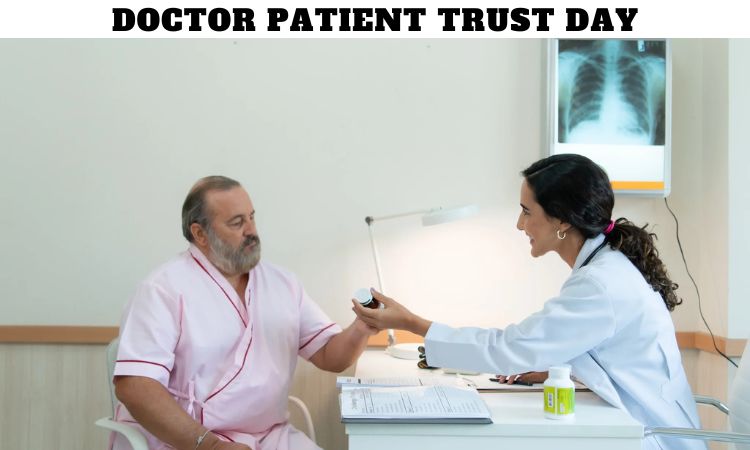
Doctor Patient Trust Day, observed on March 17, highlights one of the most vital elements of effective healthcare — trust between doctors and patients. This special day encourages healthcare professionals, patients, families, and communities to recognise the importance of transparent communication, empathy, ethical medical practice, and mutual respect.
Trust plays a central role in medical outcomes. When patients feel safe sharing their concerns and doctors provide clear, honest guidance, it leads to better diagnosis, improved treatment adherence, enhanced emotional well-being, and stronger healthcare relationships. Doctor Patient Trust Day serves as a meaningful reminder that healthcare is not just about treatment — it is about human connection and confidence in care.
The Importance of Trust in Healthcare
Building Confidence in Medical Decisions
Trust allows patients to feel confident in the recommendations provided by healthcare professionals. When individuals believe their doctor genuinely cares about their well-being, they are more likely to follow prescribed treatments, attend follow-up appointments, and maintain healthy lifestyle changes.
Strong trust helps reduce anxiety and uncertainty. Patients who trust their doctors often experience greater emotional comfort during difficult diagnoses and complex medical procedures.
Improving Treatment Outcomes
Medical research and practical experience both demonstrate that trust improves treatment success. Patients who openly discuss symptoms and personal habits enable doctors to make accurate diagnoses and create personalised treatment plans.
This open dialogue also reduces the risk of misunderstandings and ensures that healthcare decisions are made collaboratively.
Historical Evolution of Doctor-Patient Relationships
The concept of trust in medicine has evolved over centuries. In earlier times, healthcare was largely paternalistic, meaning doctors made decisions with limited patient involvement. Over time, society began recognising the importance of patient autonomy, informed consent, and shared decision-making.
Modern healthcare emphasises partnership rather than hierarchy. Doctor Patient Trust Day celebrates this transformation and encourages continued progress toward ethical transparency, accountability, and compassionate care.
Key Elements That Strengthen Doctor-Patient Trust
Effective Communication
Clear communication is essential for trust. Doctors who explain diagnoses, procedures, risks, and treatment options in understandable language help patients feel respected and informed.
Similarly, patients who communicate openly about symptoms, fears, and expectations contribute to a more accurate and effective healthcare process.
Empathy and Compassion
Empathy allows doctors to understand their patients’ emotional experiences. Simple gestures such as listening attentively, acknowledging concerns, and offering reassurance can significantly strengthen trust.
Compassionate care improves patient satisfaction and encourages long-term relationships with healthcare providers.
Confidentiality and Ethical Practice
Patients must feel confident that their personal information is protected. Respecting confidentiality and maintaining high ethical standards reinforces professional credibility and reliability.
Doctor Patient Trust Day reminds healthcare institutions to uphold these principles continuously.
The Role of Technology in Enhancing Trust
Healthcare technology has transformed how doctors and patients interact. Telemedicine, electronic health records, and digital communication platforms allow for greater accessibility and convenience.
However, technology also presents challenges. Maintaining trust in digital healthcare requires data security, transparent information sharing, and consistent human connection. Patients must feel that technology supports care rather than replacing personal attention.
Benefits of Strong Doctor-Patient Trust
Better Preventive Care
Trust encourages patients to seek medical advice early rather than delaying treatment. Regular health check-ups, screenings, and vaccinations become more common when individuals feel comfortable with their healthcare providers.
Reduced Medical Errors
Open communication helps doctors gather complete information about symptoms, medications, and medical history. This reduces the likelihood of misdiagnosis or treatment complications.
Enhanced Mental Wellbeing
Healthcare experiences can be stressful. Trusting relationships provide emotional support and reduce fear, particularly during chronic illness management or major medical procedures.
Challenges That Affect Trust in Healthcare
Despite progress, several factors can impact doctor-patient trust:
Time constraints during consultations
High patient loads in healthcare systems
Misinformation from unreliable online sources
Cultural or language barriers
Financial concerns related to treatment costs
Doctor Patient Trust Day emphasises the need for systemic improvements to address these challenges and create patient-centred healthcare environments.
How Doctors Can Build Stronger Trust?
Healthcare professionals can strengthen trust through practical actions such as:
Active listening and personalised attention
Providing clear explanations of treatment options
Encouraging patient questions and participation
Demonstrating cultural sensitivity and inclusivity
Maintaining consistent follow-up communication
These practices help create a supportive atmosphere where patients feel valued and understood.
How Can Patients Contribute to Trust?
Trust is a mutual responsibility. Patients can enhance the relationship by:
Sharing accurate medical history and lifestyle information
Following prescribed treatment plans responsibly
Asking questions to clarify doubts
Respecting appointment schedules and medical advice
Providing honest feedback about their experiences
This collaborative approach leads to better health outcomes and stronger partnerships.
Celebrating Doctor-Patient Trust Day in Communities
Communities and healthcare institutions can mark Doctor Patient Trust Day through meaningful initiatives such as:
Health Awareness Campaigns
Organising public seminars, health camps, and wellness workshops helps raise awareness of the importance of trust and preventive healthcare.
Recognition of Healthcare Professionals
Honouring doctors and medical staff for their dedication reinforces appreciation and motivates continued excellence in patient care.
Patient Education Programs
Educational sessions on topics like understanding prescriptions, managing chronic diseases, and navigating healthcare systems empower patients to make informed decisions.
The Role of Medical Ethics in Trust Building
Ethical practice remains the foundation of medical trust. Principles such as beneficence, non-maleficence, autonomy, and justice guide doctors in delivering responsible care.
Doctor Patient Trust Day encourages ongoing training and awareness to ensure that healthcare providers maintain integrity and accountability in every interaction.
Trust in Specialised and Emergency Care
Trust becomes especially critical in emergencies and specialised treatments. Patients must rely on doctors to make rapid decisions that can significantly impact outcomes.
Strong institutional reputation, professional competence, and transparent communication all help maintain confidence in such high-pressure scenarios.
Global Perspective on Doctor-Patient Trust
Healthcare systems around the world recognise the importance of trust in improving public health. International collaborations, medical research initiatives, and patient rights movements continue to promote ethical care standards and inclusive healthcare policies.
Doctor Patient Trust Day aligns with global efforts to ensure that healthcare remains accessible, respectful, and effective for diverse populations.
Future of Doctor-Patient Relationships
As healthcare evolves, the doctor-patient relationship will continue to adapt. Emerging trends include:
Personalised medicine and genetic testing
AI-assisted diagnostics and treatment planning
Integrated mental and physical healthcare models
Increased patient participation in decision-making
Maintaining trust amid these advancements will require balancing innovation with human empathy and ethical responsibility.
Conclusion
Doctor Patient Trust Day on March 17 serves as a powerful reminder that healthcare success depends not only on medical expertise but also on mutual respect, honesty, compassion, and collaboration. Trust enables accurate diagnoses, effective treatments, emotional reassurance, and stronger healthcare systems overall.
Frequently Asked Questions (FAQs)
1. What is Doctor Patient Trust Day?
Doctor Patient Trust Day, observed on March 17, is dedicated to promoting mutual trust, transparent communication, and compassionate relationships between healthcare professionals and patients.
2. Why is trust important in the doctor-patient relationship?
Trust helps patients feel comfortable sharing symptoms and concerns, which leads to accurate diagnosis, effective treatment, and better overall health outcomes.
3. How does Doctor Patient Trust Day benefit healthcare systems?
The day raises awareness about ethical medical practices, patient rights, and improved communication, helping to strengthen healthcare delivery and patient satisfaction.
4. What are the key factors that build trust between doctors and patients?
Important factors include clear communication, empathy, confidentiality, professional competence, and respect for patient autonomy.
5. How can doctors improve trust with their patients?
Doctors can build trust by actively listening, clearly explaining treatment options, maintaining transparency, and providing personalized care and follow-up support.
6. What role do patients play in maintaining trust?
Patients contribute by sharing accurate medical history, following treatment plans, asking questions, and maintaining honest communication with their healthcare providers.
7. How does technology impact doctor-patient trust?
Technology such as telemedicine and digital health records can enhance trust by improving accessibility and communication, provided that data privacy and personal interaction are maintained.
8. What challenges can affect doctor-patient trust?
Common challenges include time constraints, misinformation, high treatment costs, cultural differences, and lack of clear communication.
9. How can communities celebrate Doctor Patient Trust Day?
Communities can organize health camps, awareness seminars, appreciation events for healthcare workers, and patient education workshops.
10. What is the long-term impact of strong doctor-patient trust?
Strong trust leads to better preventive care, reduced medical errors, improved mental wellbeing, and stronger healthcare partnerships over time.