

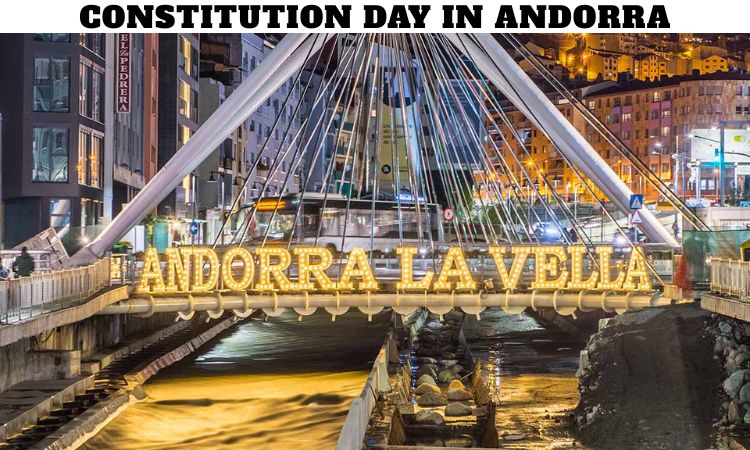
Constitution Day in Andorra is celebrated every year on March 14 as a powerful symbol of democratic progress, national unity, and constitutional governance. This important national holiday marks the approval of the country’s constitution in 1993, a historic milestone that transformed Andorra into a modern parliamentary democracy while preserving its centuries-old traditions. The observance is not only a reflection of political evolution but also a celebration of cultural identity, civic pride, and international recognition.
Historical Origins of Constitution Day in Andorra
The significance of Constitution Day can be fully understood by examining the unique political history of Andorra. Nestled in the Pyrenees Mountains between France and Spain, Andorra remained largely independent for centuries due to its geographic isolation and strategic diplomatic arrangements.
For much of its history, Andorra functioned under a feudal co-principality system established in the 13th century. Governance was shared between two co-princes — the President of France and the Bishop of Urgell in Spain. While this arrangement provided stability and autonomy, it lacked the formal democratic institutions and codified rights found in modern constitutional states.
By the late 20th century, economic growth, increased tourism, and global integration created the need for a structured legal framework. Citizens and political leaders recognized that modernization required a constitution that could clearly define governance, rights, and international relations.
After years of negotiation and consultation, a constitutional draft was prepared and presented to the public. On March 14, 1993, Andorrans voted in a referendum to approve the constitution. The overwhelming support marked the beginning of a new era, giving rise to the national holiday now known as Constitution Day.
The Adoption of the 1993 Constitution
The adoption of the constitution represented a turning point in Andorra’s history. It formalized the country’s political structure and strengthened its global standing. Through this process, Andorra successfully balanced modernization with respect for traditional institutions.
The constitution established Andorra as a sovereign parliamentary democracy while retaining the symbolic role of the co-princes. This hybrid governance model remains one of the most distinctive political systems in Europe.
Key constitutional provisions included:
Establishment of democratic elections
Separation of legislative, executive, and judicial powers
Protection of civil liberties and human rights
Recognition of Andorra as an independent state
Promotion of social and economic development
Following constitutional approval, Andorra gained admission to major international organizations, enhancing diplomatic visibility and economic cooperation.
Political Structure Under the Constitution
The constitutional framework introduced modern democratic institutions designed to ensure accountability, representation, and stability.
The General Council
The General Council serves as Andorra’s legislative body. Members are elected by citizens, allowing direct participation in governance. This structure ensures that public policies reflect the needs and aspirations of the population.
The Executive Branch
The Head of Government leads the executive branch, overseeing national administration and policy implementation. This position strengthened governmental efficiency and political coordination.
Judicial Independence
The constitution guarantees an independent judiciary responsible for interpreting laws and protecting constitutional rights. This safeguard reinforces public confidence in the legal system.
Role of the Co-Princes
Although the constitution introduced democratic governance, it preserved the historical co-princes as ceremonial heads of state. Their continued presence symbolizes continuity and tradition within a modern political framework.
Significance of Constitution Day for National Identity
Constitution Day holds profound symbolic meaning for the people of Andorra. It represents more than the adoption of legal provisions; it reflects a collective commitment to democratic values and national unity.
The holiday highlights several key themes:
Respect for political reform through peaceful consensus
Preservation of cultural heritage
Pride in sovereignty and independence
Recognition of civic responsibilities
By commemorating constitutional adoption, Andorrans reaffirm their dedication to maintaining a stable and inclusive society.
How is Constitution Day celebrated?
Celebrations on March 14 take place across Andorra’s parishes and cities. The observance combines official ceremonies with community events, creating a festive atmosphere throughout the principality.
Government Ceremonies
State officials participate in formal events that include speeches, commemorative activities, and flag-raising ceremonies. These gatherings emphasize the importance of constitutional governance and democratic participation.
Cultural Performances
Traditional music and dance performances showcase Andorra’s rich cultural heritage. Folk groups present historical costumes and regional customs, reinforcing national pride.
Educational Programs
Schools organize special lessons, debates, and exhibitions focusing on constitutional history and civic awareness. Students learn about democratic principles and the significance of participation in public life.
Public Gatherings
Citizens gather in town squares, parks, and cultural centers to celebrate together. Local markets and food stalls contribute to a vibrant social environment, strengthening community bonds.
Tourism and Economic Impact
Constitution Day also contributes to Andorra’s tourism sector. Visitors traveling to the principality during mid-March experience authentic cultural celebrations alongside the country’s natural attractions.
Popular winter sports resorts remain active during this period, drawing international tourists. Shopping districts and hospitality venues often offer special promotions linked to the holiday.
This influx of visitors supports local businesses and enhances Andorra’s reputation as a welcoming European destination.
Constitution Day in a Global Perspective
Many countries celebrate constitutional milestones, but Andorra’s experience is unique due to its peaceful political transition and preservation of historic governance structures.
The successful adoption of democratic reforms without conflict demonstrates the power of negotiation and public consensus. Andorra’s constitutional journey serves as an example of how small nations can achieve modernization while maintaining cultural authenticity.
International observers often highlight Andorra’s political stability and economic resilience as outcomes of its constitutional framework.
Contemporary Relevance of Constitution Day
Today, Constitution Day remains deeply relevant in a rapidly changing world. It encourages citizens to reflect on democratic principles, social responsibility, and national progress.
The holiday also provides an opportunity to evaluate the effectiveness of constitutional institutions and promote civic engagement. Discussions about governance, policy reforms, and public participation often gain momentum during this period.
Furthermore, Constitution Day reinforces Andorra’s commitment to transparency, equality, and international cooperation.
Challenges and Future Perspectives
While Andorra has achieved remarkable progress since 1993, the nation continues to face challenges related to globalization, economic diversification, and environmental sustainability.
Constitution Day serves as a reminder that democratic systems must evolve to address emerging issues. By fostering dialogue and innovation, Andorra can continue building a resilient future grounded in constitutional values.
Young generations play a vital role in shaping this future. Educational initiatives associated with the holiday encourage youth involvement in civic processes and leadership development.
Conclusion
Constitution Day in Andorra on March 14 stands as a defining moment in the country’s history and an enduring symbol of democratic achievement. The adoption of the constitution transformed governance, strengthened sovereignty, and elevated Andorra’s international standing.
Frequently Asked Questions (FAQs)
1. What is Constitution Day in Andorra?
Constitution Day is a national holiday celebrated on March 14 to commemorate the adoption of Andorra’s constitution in 1993, marking the country’s transition to a modern parliamentary democracy.
2. Why is Constitution Day important in Andorra?
It is important because it symbolizes democratic reform, national sovereignty, and the establishment of fundamental rights and political institutions in Andorra.
3. When was the Andorran Constitution approved?
The constitution was approved through a public referendum on March 14, 1993.
4. Is Constitution Day a public holiday in Andorra?
Yes, Constitution Day is an official public holiday. Many government offices, schools, and businesses remain closed so citizens can participate in celebrations.
5. How do people celebrate Constitution Day in Andorra?
Celebrations include official ceremonies, cultural performances, educational activities, community gatherings, and national flag-raising events.
6. What political changes did the Constitution bring?
The constitution introduced democratic elections, separation of powers, protection of civil liberties, and recognition of Andorra as a sovereign state.
7. Who are the co-princes of Andorra?
Andorra continues to have two ceremonial heads of state — the President of France and the Bishop of Urgell in Spain — under its constitutional framework.
8. Does Constitution Day attract tourists?
Yes, visitors often travel to Andorra during this time to experience national celebrations, cultural traditions, and winter tourism activities.
9. What role do schools play on Constitution Day?
Schools organize lessons, debates, and projects to teach students about constitutional history, civic responsibility, and democratic values.
10. Why is the 1993 constitution still relevant today?
It remains relevant because it provides the legal and political foundation for governance, citizen rights, and Andorra’s participation in international affairs.