

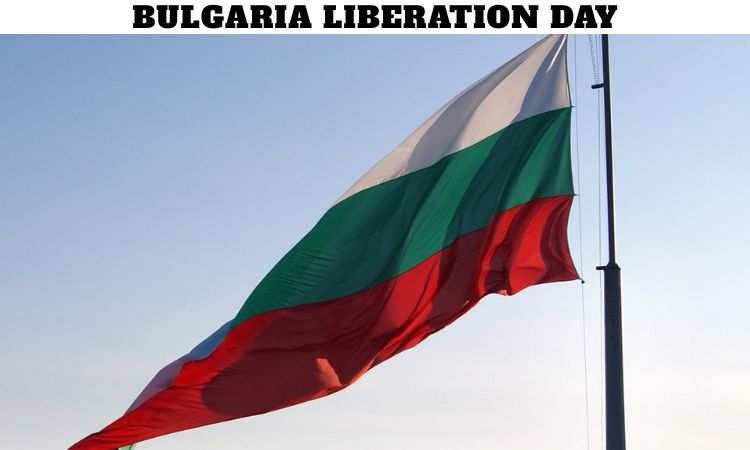
What Is Bulgaria Liberation Day and Why Is March 3 Celebrated?
Bulgaria Liberation Day, celebrated annually on March 3, marks one of the most defining moments in the history of Bulgaria—the liberation from nearly five centuries of Ottoman rule. This national holiday commemorates the signing of the preliminary peace agreement that restored Bulgarian statehood and identity after centuries of foreign domination. For us, understanding this day means recognizing a profound national awakening rooted in sacrifice, resilience, and unity.
The date symbolizes the culmination of a liberation struggle that reshaped the Balkan region and reignited Bulgarian sovereignty. March 3 is not merely a historical anniversary; it is a powerful reminder of national pride, cultural survival, and political rebirth.
How Did the Liberation of Bulgaria Happen Historically?
The liberation of Bulgaria is directly connected to the geopolitical conflict between Russia and the Ottoman Empire, which escalated into a war during the late 19th century. The conflict emerged partly due to rising nationalist movements in the Balkans and the growing desire among Bulgarians to restore independence.
Russian military intervention played a decisive role. Russian forces, supported by Bulgarian volunteers known as “opalchentsi,” fought intense battles across Bulgarian territories, including strategic mountain passes and fortified cities. The eventual victory created the conditions necessary for Bulgaria to re-emerge as a political entity on the European map.
What Was the Treaty That Marked Bulgaria’s Liberation?
On March 3, 1878, the preliminary peace agreement known as the Treaty of San Stefano was signed. This document laid the foundation for a large autonomous Bulgarian state following centuries of foreign rule. Although later revisions reduced its territorial scope, the treaty remains the symbolic cornerstone of Bulgarian liberation.
For us, this agreement represents far more than diplomacy—it represents the restoration of hope, governance, and cultural identity for a people who had long endured oppression.
Who Were the Heroes Behind Bulgaria’s Freedom?
No national liberation is complete without heroes, and Bulgaria’s struggle produced many legendary figures who continue to inspire generations.
Among the most revered revolutionaries is Vasil Levski, often called the “Apostle of Freedom.” His vision of an independent and democratic Bulgaria laid the ideological foundation for liberation. Despite his execution before independence was achieved, his legacy remains central to Bulgarian national consciousness.
Another iconic hero is Hristo Botev, a poet and revolutionary whose bravery and literary contributions transformed him into a national symbol of sacrifice. His writings continue to embody the spirit of resistance and patriotism.
Russian leadership also played a historic role, particularly under Alexander II, whose policies and military support significantly influenced the liberation outcome. His involvement earned him lasting recognition in Bulgarian history.
Why Is Bulgaria Liberation Day So Important Today?
Liberation Day represents more than historical remembrance—it is a day that reinforces national identity, unity, and gratitude. For modern Bulgarians, March 3 symbolizes:
Freedom regained after centuries of foreign rule
National revival and cultural preservation
Respect for heroes and sacrifices
Patriotic pride and historical continuity
We observe how national holidays strengthen collective identity. Bulgaria Liberation Day functions as a unifying event that connects past generations with present and future citizens.
How Is Bulgaria Liberation Day Celebrated Across the Country?
Celebrations across Bulgaria are marked by solemn ceremonies, patriotic events, and large public gatherings. The capital city, Sofia, becomes the focal point of national commemorations, hosting official speeches, military parades, and wreath-laying ceremonies at historical monuments.
Key elements of the celebrations include:
Flag-raising ceremonies
Military honors and parades
Reenactments of historic battles
Cultural performances and concerts
Fireworks and public festivities
Citizens also visit memorials dedicated to fallen soldiers and revolutionary heroes, paying tribute through flowers and moments of silence. Schools organize educational programs to teach younger generations about the nation’s history, ensuring the legacy remains alive.
What Cultural Traditions Are Associated With March 3?
Beyond official ceremonies, Liberation Day incorporates rich cultural traditions that reflect Bulgarian heritage. Folk music, traditional dances, and national costumes become prominent during celebrations. Patriotic songs resonate across cities and villages, reinforcing emotional connections to the country’s history.
Many families use the day to reflect on national achievements, discuss history with children, and participate in community gatherings. Traditional Bulgarian cuisine is often prepared, turning the holiday into both a patriotic and familial celebration.
What Role Did National Awakening Play in Liberation?
The liberation of Bulgaria was not solely a military event; it was the culmination of decades of cultural and intellectual revival known as the Bulgarian National Awakening. During this period, education, literature, religion, and language preservation played crucial roles in strengthening national consciousness.
We recognize that schools, monasteries, and revolutionary committees helped maintain Bulgarian identity under foreign rule. These efforts ensured that when liberation became possible, a strong national spirit already existed.
How Did Liberation Shape Modern Bulgaria?
The liberation laid the foundation for Bulgaria’s political development, governance systems, and European integration. It enabled the formation of institutions, constitutional frameworks, and modern administrative structures.
Modern Bulgaria’s national identity, democratic evolution, and cultural pride all trace their origins back to the events commemorated on March 3. The holiday therefore represents both historical achievement and the beginning of a modern nation-state.
Why Does Bulgaria Liberation Day Matter Internationally?
Liberation Day also holds international significance because it reflects broader geopolitical transformations in Europe during the 19th century. The weakening of imperial dominance in the Balkans reshaped regional power dynamics and influenced the emergence of multiple nation-states.
For historians and political scholars, Bulgaria’s liberation demonstrates how nationalism, diplomacy, and military alliances can collectively redefine borders and identities.
What Lessons Can We Learn From Bulgaria’s Liberation?
The story of Bulgaria’s liberation offers enduring lessons:
Unity strengthens national resilience
Cultural identity survives even under oppression
Sacrifice and leadership shape history
Freedom requires persistence and collective effort
We understand that historical remembrance is essential not only for honoring the past but also for guiding future generations toward responsible citizenship and national pride.
How Can Visitors Experience Bulgaria Liberation Day?
Tourists visiting Bulgaria during early March can witness authentic patriotic celebrations and historical reenactments. Museums, monuments, and heritage sites offer immersive experiences that explain the liberation narrative in detail.
Popular locations include historical battlefields, memorial complexes, and cultural centers that provide educational exhibitions. Visitors gain insight into Bulgarian traditions while experiencing the emotional intensity of national pride firsthand.
What Makes March 3 a Symbol of National Identity?
March 3 stands as a timeless symbol of Bulgaria’s rebirth. It represents the triumph of determination over adversity and the restoration of sovereignty after centuries of domination. The emotional resonance of this day continues to unite citizens across generations, political views, and regions.