

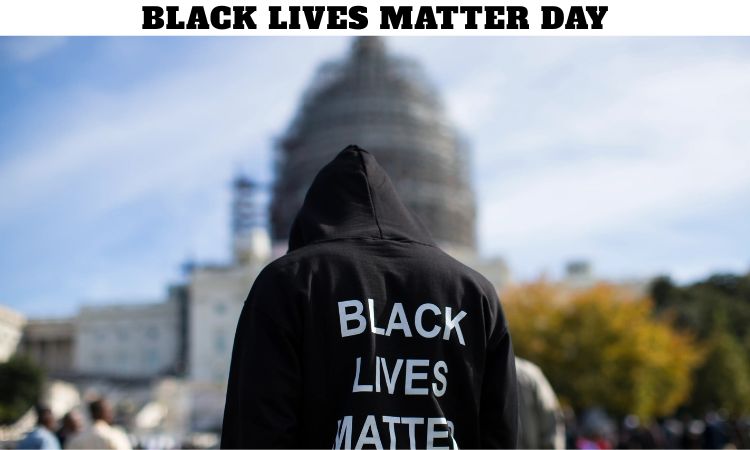
What Is Black Lives Matter Day, and Why Is It Observed on February 26?
Black Lives Matter Day – February 26 is a significant moment of remembrance, awareness, and commitment to racial justice and equality. Observed annually, this day aligns with the anniversary of the tragic killing of Trayvon Martin, whose death in 2012 became a defining catalyst for a global movement. His passing ignited widespread outrage and prompted renewed conversations about racial profiling, systemic injustice, and the urgent need for reform.
On February 26, communities across the United States and around the world honor the lives impacted by racial violence and reaffirm the demand for structural change. This observance is closely connected to the broader Black Lives Matter movement, which advocates for justice, dignity, and equality for Black individuals and communities.
We recognize this day not merely as a symbolic event but as a powerful reminder of ongoing struggles and collective responsibility.
How Did the Black Lives Matter Movement Begin?
The Black Lives Matter movement formally began in 2013 after the acquittal of George Zimmerman in the shooting death of Trayvon Martin. The phrase “Black Lives Matter” first emerged as a social media hashtag and quickly evolved into a global call for justice.
In response to systemic violence and deeply rooted discrimination, activists mobilized protests, campaigns, and educational initiatives. Over time, the movement expanded beyond a hashtag to become one of the most influential civil rights movements of the 21st century.
The resurgence of global protests in 2020 following the death of George Floyd amplified international awareness. Millions marched in cities worldwide, demanding accountability, police reform, and systemic change.
Black Lives Matter Day on February 26 serves as a foundational point of reflection, acknowledging where the movement began and reinforcing its mission.
What Does Black Lives Matter Day Represent Today?
Black Lives Matter Day represents more than remembrance—it stands for justice, equity, accountability, and systemic transformation. It embodies a collective insistence that racial inequality cannot be ignored or minimized.
Today, February 26 symbolizes:
Acknowledgment of racial injustice
Solidarity with marginalized communities
Commitment to policy reform
Promotion of equal opportunity
Education on systemic discrimination
We view this day as an opportunity to move from awareness to action. It urges institutions, policymakers, educators, and individuals to confront structural barriers that disproportionately affect Black communities in areas such as housing, healthcare, employment, and criminal justice.
Why Is Trayvon Martin’s Legacy Central to February 26?
The death of Trayvon Martin exposed uncomfortable truths about racial profiling and implicit bias. His story revealed how deeply entrenched stereotypes and systemic prejudice can result in irreversible consequences.
February 26 marks the anniversary of his death, making it a solemn reminder of the human cost of injustice. His name became a rallying cry for reform and inspired countless individuals to demand accountability and transparency.
Trayvon Martin’s legacy continues to fuel dialogue around youth safety, community protection, and equal treatment under the law. Black Lives Matter Day honors his memory and the many others whose lives were lost due to systemic failures.
How Has Black Lives Matter Influenced Global Awareness?
While originating in the United States, the movement rapidly expanded worldwide. Demonstrations and solidarity marches have taken place across Europe, Africa, Asia, and Australia. Conversations about racial discrimination, colonial legacies, and structural inequality intensified globally.
Major corporations, educational institutions, and governments began reassessing diversity policies and anti-discrimination frameworks. In many countries, activists used Black Lives Matter Day as a platform to address local issues of racial inequality and demand inclusive reforms.
The global impact highlights a universal principle: equality and justice are non-negotiable human rights.
What Role Do Education and Dialogue Play on February 26?
Education remains a cornerstone of meaningful change. Black Lives Matter Day often includes seminars, panel discussions, workshops, and public forums aimed at:
Addressing historical injustices
Examining systemic bias
Promoting inclusive leadership
Encouraging civic engagement
Schools and universities incorporate discussions about civil rights history, modern activism, and social accountability. This educational focus strengthens understanding and fosters constructive dialogue.
By prioritizing informed conversation, we create space for solutions rather than division.
How Does Black Lives Matter Day Encourage Policy Reform?
Policy reform remains a central objective of the movement. February 26 reinforces demands for measurable changes in:
Criminal justice systems
Policing practices
Voting rights protections
Economic equity initiatives
Healthcare accessibility
Legislative proposals at local and national levels frequently align with the principles championed by Black Lives Matter advocates. Black Lives Matter Day amplifies calls for transparency, accountability, and institutional transformation.
Sustainable progress requires not only protest but structured reform supported by data, advocacy, and public engagement.
What Are the Social and Cultural Impacts of the Movement?
The cultural influence of Black Lives Matter is profound. From art and literature to music and film, the movement reshaped public discourse around race and identity.
Media representation evolved, highlighting diverse voices and narratives previously marginalized. Corporate diversity commitments increased, and public awareness campaigns expanded across industries.
Black Lives Matter Day reflects this cultural shift. It acknowledges that social change extends beyond policy—it transforms perception, dialogue, and community engagement.
How Can Communities Observe Black Lives Matter Day?
Communities observe February 26 in various impactful ways:
Hosting memorial gatherings and candlelight vigils
Organizing educational workshops
Supporting Black-owned businesses
Engaging in peaceful demonstrations
Volunteering with civil rights organizations
These actions reinforce solidarity and translate symbolic recognition into tangible support. Participation strengthens the broader mission of equality and justice.
What Challenges Continue to Shape the Movement?
Despite significant progress in awareness, systemic inequality persists. Disparities in income, incarceration rates, educational access, and healthcare outcomes remain evident.
Black Lives Matter Day acknowledges these ongoing challenges. It serves as a reminder that momentum must be sustained. Structural reform requires long-term commitment, transparent governance, and collective accountability.
The movement faces opposition, political debate, and misinformation. However, its foundational principles—dignity, justice, and equality—remain unwavering.
Why Does Black Lives Matter Day Matter for Future Generations?
February 26 carries intergenerational significance. It teaches younger generations the value of civic engagement and the power of collective advocacy.
By embedding conversations about racial justice into educational systems and community structures, we ensure that awareness evolves into leadership. Future generations inherit both the lessons of past injustice and the responsibility to create equitable systems.
Black Lives Matter Day is not confined to remembrance; it is a blueprint for continued transformation.
How Does Black Lives Matter Day Strengthen Collective Responsibility?
True progress emerges from shared accountability. February 26 challenges institutions and individuals alike to evaluate their roles in promoting equality.
Collective responsibility includes:
Advocating for inclusive policies
Challenging discriminatory practices
Supporting equitable economic initiatives
Amplifying marginalized voices
Black Lives Matter Day reinforces the principle that systemic change requires sustained commitment from every sector of society.
What Is the Enduring Message of Black Lives Matter Day – February 26?
The enduring message is clear: justice must be consistent, equality must be actionable, and dignity must be universal.