

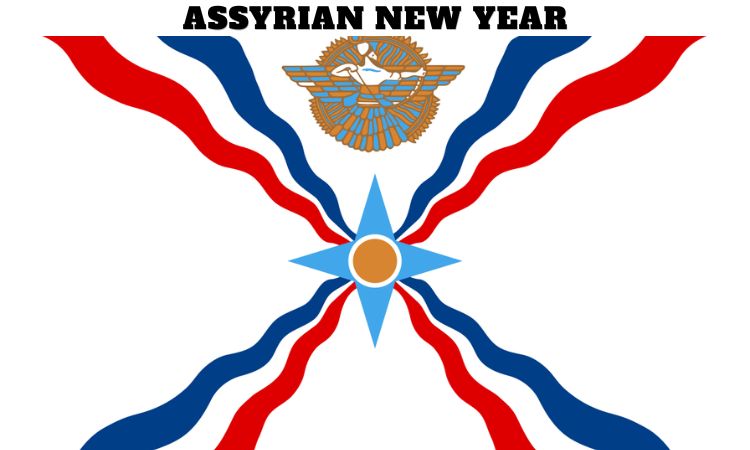
What is the Assyrian New Year, and Why Is It Celebrated on April 1?
The Assyrian New Year, also known as Akitu, is one of the oldest continuously celebrated festivals in human history, marking the beginning of the Assyrian calendar year. Celebrated on April 1, this ancient festival dates back more than 6,700 years, making it a deeply rooted cultural and historical event for the Assyrian people worldwide.
We recognize this day as not just a celebration of a new year but as a symbol of renewal, rebirth, and cultural identity. Rooted in ancient Mesopotamian traditions, the Assyrian New Year represents the awakening of nature, aligning with the arrival of spring, fertility, and agricultural prosperity.
What Is the Historical Origin of the Assyrian New Year (Akitu)?
The origins of Akitu can be traced back to ancient Mesopotamia, where it was celebrated by civilizations such as the Assyrians and Babylonians. This festival was originally associated with the agricultural cycle, particularly the sowing of barley.
We understand Akitu as a religious and political celebration in ancient times. It included rituals that honored gods, reaffirmed kingship, and symbolized the triumph of order over chaos. The festival lasted for 12 days, filled with ceremonies, prayers, and public gatherings.
The continuity of this celebration highlights the resilience of Assyrian culture, which has survived despite centuries of displacement and challenges.
Why Is Assyrian New Year Celebrated on April 1?
April 1 marks the first day of spring, a time when nature renews itself. The Assyrian calendar is based on ancient solar and agricultural cycles, making this date significant.
We observe that the timing is not coincidental but deeply symbolic:
- Renewal of life and vegetation
- Start of a new agricultural season
- Spiritual cleansing and fresh beginnings
Unlike the modern Gregorian calendar, the Assyrian calendar emphasizes natural cycles, making April 1 a meaningful and logical start of the year.
How Do Assyrians Celebrate Akitu Today?
Modern celebrations of Assyrian New Year combine traditional rituals with contemporary festivities. Across countries such as Iraq, Syria, the United States, and Europe, Assyrian communities celebrate with great enthusiasm and unity.
We see the following key traditions during Akitu:
Traditional Clothing and Cultural Pride
People wear colorful Assyrian traditional attire, representing regional identities and historical heritage.
Parades and Public Gatherings
Large-scale parades are organized, featuring:
- Music and dancing
- Cultural performances
- Flags and national symbols
Music and Dance
Traditional dances like Khigga are performed in groups, symbolizing community bonding and joy.
Family Celebrations
Families gather to share meals, exchange greetings, and celebrate together, strengthening family ties and cultural continuity.
What Are the Cultural Symbols of the Assyrian New Year?
The Assyrian New Year is rich in symbolism, each element reflecting deeper meanings:
- Flowers and greenery: Represent growth and fertility
- Fire: Symbolizes purification and new beginnings
- Water: Represents life and cleansing
- Traditional flags: Reflect unity and national identity
We observe that these symbols connect the Assyrian people to their ancestral roots and natural elements, reinforcing cultural pride.
What Is the Significance of Akitu in Modern Times?
In today’s world, the Assyrian New Year holds even greater importance as a cultural preservation event. With many Assyrians living in diaspora, Akitu serves as a reminder of their shared history and identity.
We recognize its modern significance as:
- A celebration of heritage
- A platform for cultural awareness
- A unifying event for global Assyrians
It also provides an opportunity to educate younger generations about their ancient traditions and language.
How Does the Assyrian New Year Differ from Other New Year Celebrations?
Unlike widely known New Year celebrations such as January 1, the Assyrian New Year is deeply rooted in ancient traditions and agricultural cycles.
We highlight the key differences:
- It is one of the oldest New Year’s celebrations in the world
- It is based on seasonal and natural changes, not just calendar dates
- It includes historical rituals and symbolic practices
- It emphasizes community and cultural identity over commercial celebration
What Foods Are Traditionally Enjoyed During Akitu?
Food plays a central role in Assyrian New Year celebrations. Traditional dishes are prepared with care and shared among family and friends.
We commonly see:
- Dolma (stuffed vegetables)
- Kebabs and grilled meats
- Rice dishes with herbs
- Traditional sweets and pastries
These meals symbolize abundance, hospitality, and togetherness, essential elements of the festival.
Why is the Assyrian New Year Important for Cultural Identity?
For Assyrians, Akitu is more than a festival—it is a powerful expression of identity and survival. Despite historical challenges, the continuation of this celebration reflects a deep-rooted commitment to preserving heritage.
We emphasize that:
- It connects people to their ancient civilization
- It strengthens community bonds
- It promotes cultural education and awareness
How Can We Participate in Assyrian New Year Celebrations?
Participation in Akitu is open and inclusive. Whether part of the Assyrian community or an interested observer, we can engage in various ways:
- Attend local cultural events and parades
- Learn about Assyrian history and traditions
- Support Assyrian organizations and communities
- Share awareness through social platforms
By participating, we contribute to the preservation and celebration of a rich cultural legacy.
Frequently Asked Questions (FAQs)
1. What is the Assyrian New Year called?
It is called Akitu, an ancient festival marking the Assyrian New Year.
2. When is the Assyrian New Year celebrated?
It is celebrated annually on April 1.
3. How old is the Assyrian New Year celebration?
It is over 6,700 years old, making it one of the oldest festivals.
4. What does Akitu symbolize?
It symbolizes renewal, rebirth, and the arrival of spring.
5. Where is the Assyrian New Year celebrated today?
It is celebrated worldwide, especially in Assyrian communities across the Middle East and diaspora countries.
6. What are common traditions during Akitu?
Traditions include parades, music, dancing, traditional clothing, and family gatherings.
7. Why is April 1 significant for Assyrians?
It marks the start of spring and a new agricultural cycle.
8. What foods are eaten during the Assyrian New Year?
Traditional dishes include dolma, kebabs, rice, and sweets.
9. Is the Assyrian New Year a religious or cultural festival?
It is both cultural and historical, with ancient religious roots.
10. How can non-Assyrians learn about Akitu?
They can attend events, read about Assyrian history, and engage with cultural communities.