

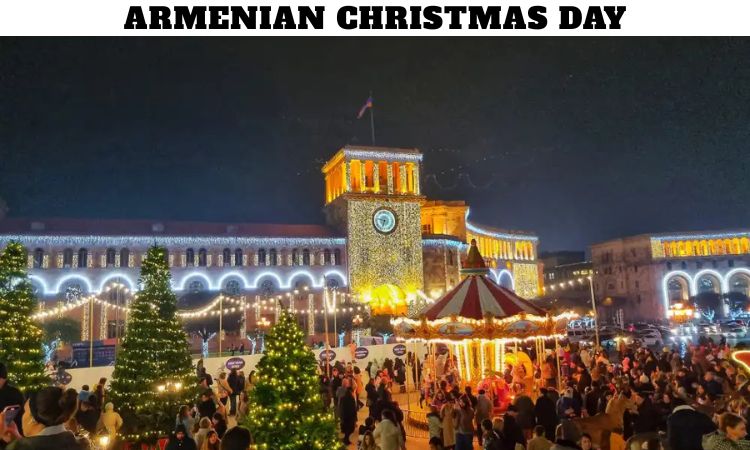
Armenian Christmas Day – January 6 is a deeply spiritual and culturally rich observance that reflects the ancient roots of Christianity in Armenia. Unlike most Christian communities that celebrate Christmas on December 25, the Armenian Apostolic Church observes the Nativity and Theophany of Jesus Christ on January 6, preserving one of the oldest Christian traditions in the world. This sacred day unites history, theology, rituals, and family customs into a single, profound celebration.
We honor Armenian Christmas Day not only as a religious event but also as a living testament to Armenia’s enduring faith, cultural resilience, and national identity.
Why is Armenian Christmas celebrated on January 6?
Armenian Christmas Day traces its origin to early Christianity, when the birth and baptism of Jesus Christ were celebrated together on the same day. While Western Christianity later adopted December 25 as Christmas and January 6 as Epiphany, the Armenian Apostolic Church retained the original date, making January 6 uniquely significant.
This observance reflects the Armenian Church’s commitment to apostolic tradition, continuity, and theological authenticity. For Armenians worldwide, January 6 is not a deviation but a preservation of the earliest Christian calendar.
Armenia: The First Christian Nation
Armenian Christmas Day holds even deeper meaning because Armenia was the first nation to adopt Christianity as a state religion in 301 AD. This historic milestone shaped Armenian culture, values, art, and national consciousness.
Christianity became the foundation of Armenian identity, especially during centuries of foreign rule and hardship. Celebrating Christmas on January 6 reinforces this ancient legacy and symbolizes spiritual endurance and unity.
Religious Significance of Armenian Christmas Day – January 6
Armenian Christmas Day commemorates two sacred events:
The Nativity of Jesus Christ
The Theophany (Baptism of Christ in the Jordan River)
The term Theophany means “manifestation of God,” emphasizing the revelation of the Holy Trinity during Christ’s baptism. By uniting these events, the Armenian Church highlights the divine nature of Christ from birth through baptism.
This theological focus distinguishes Armenian Christmas Day from other Christian traditions and adds profound spiritual depth to the celebration.
Christmas Eve: January 5 Observances
The celebration of Armenian Christmas Day begins on the evening of January 5, known as Christmas Eve. This day is marked by fasting, prayer, and solemn reflection.
Christmas Eve Divine Liturgy
Churches across Armenia and Armenian communities worldwide conduct a special Candlelight Divine Liturgy. Worshippers light candles symbolizing the light of Christ entering the world, dispelling darkness and sin.
The atmosphere is reverent, filled with ancient hymns, incense, and Scripture readings that recount the prophecy and birth of Christ.
The Divine Liturgy on Armenian Christmas Day
On the morning of January 6, Armenian churches hold a grand Christmas Divine Liturgy. This service is the spiritual heart of Armenian Christmas Day.
Key elements include:
Reading of the Gospel of Christ’s birth and baptism
Blessing of water, symbolizing the baptism of Jesus
Holy Communion, shared by the faithful
The Blessing of Water is a distinctive ritual representing purification, renewal, and divine grace. Many believers take the blessed water home as a symbol of spiritual protection and blessing.
Traditional Armenian Christmas Foods
Food plays a meaningful role in Armenian Christmas Day, reflecting simplicity, symbolism, and gratitude.
Christmas Eve Meal
After the Christmas Eve service on January 5, families gather for a modest meal, traditionally free of meat. Common dishes include:
Rice pilaf
Fish
Cooked greens
Bread and olives
Christmas Day Feast
On January 6, the fast ends, and families enjoy a celebratory meal featuring traditional dishes such as:
Khetum (fish with rice)
Harissa, a slow-cooked wheat and meat porridge symbolizing patience and unity
Ghapama, a stuffed pumpkin dish representing abundance and joy
Dried fruits and nuts
These meals are not merely culinary traditions but expressions of faith, humility, and communal bonding.
Family and Community Traditions
Armenian Christmas Day is centered around family togetherness and community connection. Families attend church together, share meals, and visit relatives, reinforcing bonds across generations.
Children often receive small gifts, though the emphasis remains on spiritual meaning rather than material exchange. Elders share stories of faith, history, and survival, passing down cultural memory and values.
Armenian Christmas Greetings and Customs
A unique aspect of Armenian Christmas Day is the traditional greeting exchanged among believers:
One person says: “Christ is born and revealed!”
The response is: “Blessed is the revelation of Christ!”
This greeting reflects the dual celebration of the Nativity and Theophany, reinforcing the theological essence of the day.
Armenian Christmas Around the World
Armenian Christmas Day is celebrated not only in Armenia but also across the global Armenian diaspora, including communities in:
The United States
Russia
France
Lebanon
Iran
India
Despite geographical differences, Armenian churches worldwide maintain the same liturgy, calendar, and rituals, preserving unity across borders.
In Jerusalem, the Armenian Patriarchate conducts one of the most historic Christmas celebrations, drawing pilgrims and visitors from around the world.
Cultural Symbols of Armenian Christmas
Several symbols are closely associated with Armenian Christmas Day:
Lighted candles, representing Christ as the Light of the World
Water, symbolizing purification and renewal
Simple décor, reflecting humility and reverence
Unlike commercialized celebrations, Armenian Christmas remains intentionally spiritual and understated.
The Role of Armenian Christmas in National Identity
For Armenians, Christmas is inseparable from national identity. Throughout history, especially during times of persecution and displacement, Armenian Christmas Day served as a reminder of faith, hope, and cultural continuity.
Even today, January 6 is a public holiday in Armenia, reinforcing its importance as both a religious and national observance.
Modern Observance and Continued Relevance
In the modern world, Armenian Christmas Day continues to resonate with younger generations. Churches, schools, and cultural organizations actively educate youth about the meaning of the celebration through:
Religious education programs
Cultural performances
Community service initiatives
This ensures that Armenian Christmas remains a living tradition rather than a historical memory.
Spiritual Message of Armenian Christmas Day
At its core, Armenian Christmas Day conveys timeless spiritual values:
Faith over adversity
Humility and simplicity
Renewal and purification
Unity and compassion
These values transcend religious boundaries, offering universal lessons relevant to all of humanity.
Conclusion: The Enduring Meaning of Armenian Christmas Day
Armenian Christmas Day stands as one of the most authentic and spiritually profound Christian celebrations in the world. Rooted in ancient tradition and sustained by unwavering faith, it reflects the soul of the Armenian people and their enduring devotion to Christianity.