

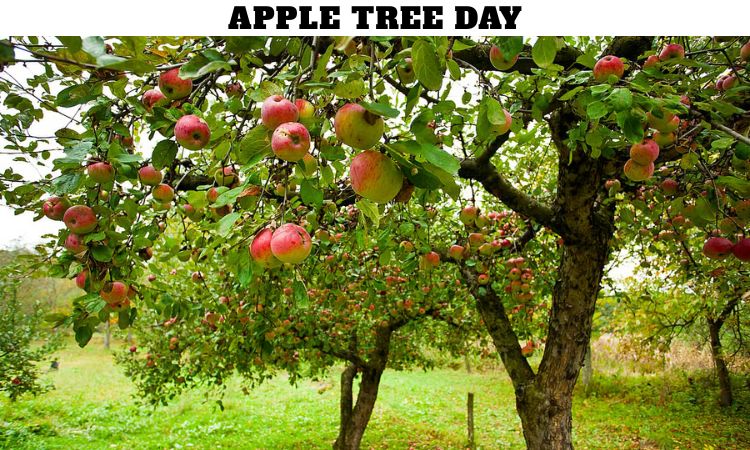
Apple Tree Day – January 6 is a meaningful occasion dedicated to honoring one of the most valuable and widely cultivated fruit trees in the world. We recognize this day as an opportunity to celebrate the historical significance, environmental benefits, nutritional value, and cultural importance of apple trees. Across continents and centuries, apple trees have shaped agriculture, economies, and traditions, making this observance both timely and timeless.
Apple Tree Day encourages awareness about tree plantation, sustainable farming, and biodiversity conservation, while also reminding us of the profound role apple trees play in our daily lives.
The Origin and Significance of Apple Tree Day – January 6
Apple Tree Day is observed to highlight the importance of apple trees in global ecosystems and food systems. Apples have been cultivated for over 4,000 years, originating in Central Asia before spreading across Europe, the Americas, and beyond. Over time, apple trees became symbols of knowledge, health, prosperity, and renewal.
By dedicating a day specifically to apple trees, we emphasize their contribution not only as a fruit-bearing species but also as a cornerstone of sustainable agriculture. January 6, falling in the winter season in many regions, is a symbolic reminder of preparation, planning, and care for the next growing cycle.
Apple Trees in History and Culture
Apple trees hold a unique place in mythology, religion, and folklore. From ancient Greek legends to biblical references, apples have long represented wisdom, temptation, and abundance. In European folklore, apple orchards were considered sacred spaces linked with fertility and longevity.
In many cultures, apple trees symbolized family heritage, with orchards passed down through generations. Even today, historic apple varieties are preserved to maintain genetic diversity and cultural identity. Apple Tree Day reinforces the responsibility to protect this rich heritage for future generations.
Environmental Benefits of Apple Trees
Apple trees play a crucial role in supporting environmental balance. Their benefits extend far beyond fruit production:
Carbon sequestration: Apple trees absorb carbon dioxide, helping reduce greenhouse gas levels.
Soil conservation: Their root systems prevent soil erosion and improve soil fertility.
Biodiversity support: Apple orchards provide habitats for pollinators, birds, and beneficial insects.
Air quality improvement: Trees filter pollutants and release oxygen, enhancing local air quality.
On Apple Tree Day, we highlight how planting and maintaining apple trees contribute directly to climate resilience and ecological sustainability.
Economic Importance of Apple Cultivation
Apple farming is a significant driver of rural economies worldwide. Apples are among the most traded fruits globally, supporting millions of farmers, distributors, and food industry professionals.
Key economic contributions include:
Employment generation in orchards, storage, transportation, and processing units
Value-added products such as juices, ciders, jams, and dried apples
Export opportunities that strengthen national economies
Regions known for apple production often experience strong agricultural tourism, further boosting local income. Apple Tree Day recognizes these economic benefits while promoting ethical and sustainable farming practices.
Nutritional Value of Apples
Apples are widely regarded as one of the healthiest fruits available. Rich in essential nutrients, apples contribute significantly to a balanced diet.
Nutritional highlights include:
Dietary fiber for digestive health
Vitamin C for immune support
Antioxidants that combat oxidative stress
Low-calorie content suitable for weight management
The phrase “an apple a day” reflects centuries of understanding about the fruit’s health benefits. Apple Tree Day celebrates not only the tree but also the nutritional well-being it provides to communities worldwide.
Apple Tree Varieties and Genetic Diversity
There are over 7,500 known apple varieties globally, each adapted to different climates and tastes. From sweet dessert apples to tart cooking varieties, this diversity ensures resilience against pests, diseases, and climate change.
Preserving heirloom apple varieties is essential for:
Genetic sustainability
Flavor diversity
Agricultural adaptability
Apple Tree Day encourages conservation programs and responsible breeding practices to safeguard this diversity for future generations.
The Role of Apple Trees in Sustainable Agriculture
Apple trees are integral to sustainable and regenerative farming systems. When grown responsibly, apple orchards require fewer chemical inputs and promote natural pest control through biodiversity.
Modern sustainable practices include:
Organic apple farming
Integrated pest management
Water-efficient irrigation systems
Soil health improvement through mulching and composting
Apple Tree Day serves as a reminder to adopt agricultural methods that protect the land while ensuring long-term productivity.
Planting and Caring for Apple Trees
Apple Tree Day is an ideal time to plan or commit to planting apple trees. Proper care ensures longevity and productivity.
Essential considerations include:
Choosing climate-appropriate varieties
Ensuring adequate sunlight and drainage
Regular pruning for healthy growth
Protecting trees from pests and diseases
By investing time and effort in apple tree care, we contribute to healthier ecosystems and food security.
Apple Trees and Community Well-Being
Apple trees strengthen communities by fostering shared responsibility, local food systems, and educational opportunities. School gardens, community orchards, and urban apple trees promote awareness about nutrition and environmental stewardship.
Apple Tree Day encourages collective participation in planting initiatives, reinforcing the connection between people, food, and nature.
The Future of Apple Trees in a Changing Climate
As climate patterns shift, apple trees face challenges such as unpredictable weather, pests, and water scarcity. However, innovation and research continue to develop climate-resilient apple varieties and advanced cultivation techniques.
Apple Tree Day highlights the importance of:
Research and development
Farmer education
Policy support for sustainable agriculture
By addressing these challenges proactively, we ensure apple trees remain a vital resource for generations to come.
Conclusion: Honoring Apple Tree Day – January 6
Apple Tree Day – January 6 is more than a symbolic observance. It is a commitment to environmental responsibility, agricultural sustainability, and nutritional health. By recognizing the immense value of apple trees, we reaffirm our role in protecting nature and supporting sustainable food systems.