

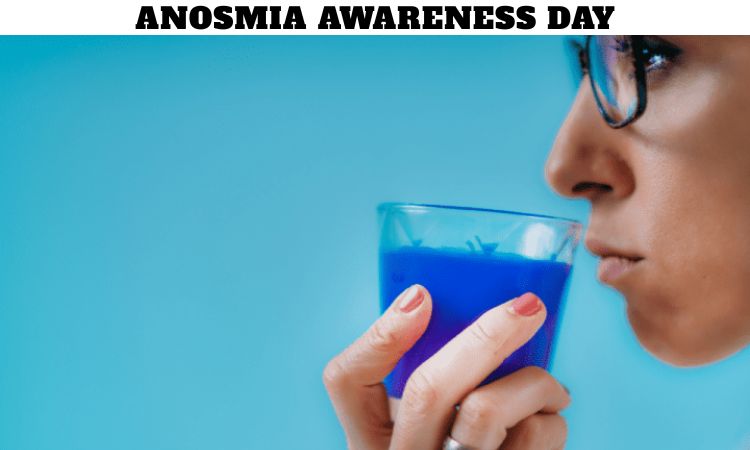
Every year on February 27, we observe Anosmia Awareness Day, a dedicated occasion to highlight the realities of anosmia, a condition characterized by the complete loss of the sense of smell. While often underestimated, anosmia profoundly affects daily life, safety, nutrition, emotional well-being, and overall quality of living. On this significant day, we unite to increase understanding, support those affected, and advocate for improved research and medical solutions.
What Is Anosmia and How Does It Affect Daily Life?
Anosmia refers to the total inability to perceive odors. It may occur suddenly or develop gradually, and it can be temporary or permanent. Our sense of smell plays a critical role in detecting danger, enhancing flavor perception, and connecting us to memories and emotions.
When smell is lost, individuals often experience:
Diminished taste perception
Difficulty detecting gas leaks or smoke
Reduced appetite or unintended weight changes
Emotional distress and social withdrawal
Smell is directly linked to the brain’s limbic system, which governs memory and emotion. The loss of smell can therefore trigger feelings of disconnection, anxiety, and even depression. Anosmia Awareness Day – February 27 emphasizes how deeply this invisible condition impacts millions worldwide.
Why Is Anosmia Awareness Day Observed on February 27?
February 27 was chosen to shine a global spotlight on smell disorders and to foster public dialogue about a condition often overlooked in healthcare discussions. The day serves several purposes:
Promote education about anosmia and related disorders
Encourage early diagnosis and treatment
Support ongoing scientific research
Build a community of advocacy and empathy
The observance gained heightened attention following the global pandemic, when smell loss became a widely recognized symptom. However, anosmia has existed long before recent viral outbreaks, affecting individuals due to trauma, sinus conditions, neurological disorders, and congenital factors.
What Causes Anosmia and Who Is at Risk?
Anosmia can arise from numerous medical conditions and environmental factors. Understanding these causes allows for early intervention and appropriate treatment strategies.
Common Causes of Anosmia
Viral infections affecting the upper respiratory tract
Chronic sinusitis or nasal polyps
Head injuries can damage the olfactory nerves
Neurological conditions such as Parkinson’s or Alzheimer’s disease
Congenital absence of olfactory function
Exposure to toxic chemicals
Aging-related sensory decline
Certain individuals face higher risks, including older adults, individuals with chronic sinus conditions, and those who have experienced head trauma. Recognizing early symptoms and seeking medical evaluation are critical steps in addressing smell disorders.
How Does Anosmia Impact Mental Health and Emotional Well-Being?
The loss of smell goes far beyond physical inconvenience. It influences identity, memory, relationships, and emotional health.
Without smell, individuals may feel:
Isolated from shared experiences, such as enjoying meals
Disconnected from comforting scents
Frustrated by safety concerns
Anxious about personal hygiene
Research indicates that prolonged anosmia can contribute to depression and decreased life satisfaction. Smell anchors us to memories — from childhood kitchens to seasonal celebrations. Losing that sensory bridge can lead to a profound sense of loss.
On Anosmia Awareness Day, we recognize not only the physical implications but also the psychological toll of living without smell.
How Is Anosmia Diagnosed and Treated?
Diagnosis begins with a comprehensive medical evaluation. Physicians assess nasal passages, review medical history, and may conduct imaging tests or smell identification assessments.
Diagnostic Methods Include:
Nasal endoscopy
CT or MRI scans
Standardized smell tests
Treatment Options Depend on the Underlying Cause:
Corticosteroids for inflammation
Antibiotics for infections
Surgical intervention for nasal obstructions
Olfactory training therapy
Olfactory training has shown promising results. This therapy involves repeated exposure to specific scents over time to stimulate neural recovery. While not all cases are reversible, many individuals regain partial or complete smell function with proper care.
Why Is Public Awareness About Anosmia So Important?
Smell disorders are often dismissed as minor inconveniences. Yet they carry substantial consequences. Raising awareness ensures:
Greater empathy toward those affected
Improved funding for research
Enhanced diagnostic protocols
Better safety measures for patients
The broader the awareness, the stronger the push for medical advancements. Anosmia Awareness Day strengthens the global conversation about sensory health.
How Did Global Events Increase Awareness of Anosmia?
Recent global health crises brought anosmia into public discourse. Sudden smell loss became widely recognized as a clinical symptom, prompting millions to confront the condition firsthand.
This surge in awareness resulted in:
Expanded research initiatives
Increased patient support networks
Greater public curiosity about sensory health
However, the condition extends beyond viral causes. Long before global attention, individuals lived silently with congenital or trauma-induced anosmia. Awareness initiatives ensure their voices are heard.
What Safety Challenges Do Individuals with Anosmia Face?
Safety concerns represent one of the most serious aspects of smell loss. Without olfactory detection, individuals may struggle to identify:
Gas leaks
Smoke from fires
Spoiled food
Chemical hazards
To mitigate risks, many adopt precautionary measures such as installing smoke detectors, gas alarms, and carefully labeling expiration dates. Education on safety adaptations forms a vital component of Anosmia Awareness Day – February 27 campaigns.
How Does Anosmia Affect Nutrition and Taste?
Taste and smell are interconnected. When smell diminishes, flavor perception changes dramatically. Food may seem bland, leading to:
Over-seasoning with salt or sugar
Reduced appetite
Nutritional imbalances
We emphasize nutritional awareness as part of anosmia education. Patients often benefit from focusing on texture, temperature, and visual presentation to enhance meal satisfaction.
Can Anosmia Be Prevented?
While not all cases are preventable, protective measures can reduce risk:
Wearing protective headgear to prevent trauma
Managing sinus infections promptly
Avoiding prolonged exposure to harmful chemicals
Seeking medical care for persistent nasal congestion
Early action plays a significant role in preserving sensory health.
What Research Is Being Conducted on Smell Disorders?
Scientific exploration into anosmia has accelerated significantly. Researchers are examining:
Neural regeneration techniques
Stem cell therapies
Advanced imaging of olfactory pathways
Targeted pharmacological treatments
The increased focus promises improved treatment strategies and potential breakthroughs in sensory restoration. Anosmia Awareness Day amplifies support for these ongoing initiatives.
How Can We Support Anosmia Awareness Day?
Participation can take many forms:
Sharing educational resources
Supporting research organizations
Engaging in conversations about sensory health
Encouraging medical consultations for persistent symptoms
Advocacy transforms awareness into action. By recognizing February 27 as a pivotal date, we contribute to a global movement aimed at empowering those affected.
What Is the Long-Term Outlook for Individuals with Anosmia?
Outcomes vary depending on cause and severity. Some individuals experience spontaneous recovery, particularly following viral infections. Others may adapt to permanent loss through lifestyle modifications and therapy.
Long-term management focuses on:
Safety planning
Nutritional monitoring
Emotional support
Continued medical follow-up
With appropriate strategies, individuals can lead fulfilling lives while navigating sensory challenges.
Why Should Anosmia Awareness Day – February 27 Matter to All of Us?
Smell shapes our perception of the world in ways we rarely acknowledge. It alerts us to danger, enriches our meals, and anchors our memories. Losing this sense alters daily experiences profoundly.
Anosmia Awareness Day serves as a reminder that sensory health deserves attention, research, and compassion. By fostering education and advocacy, we move toward a future where smell disorders are better understood, more effectively treated, and fully recognized within the healthcare landscape.