

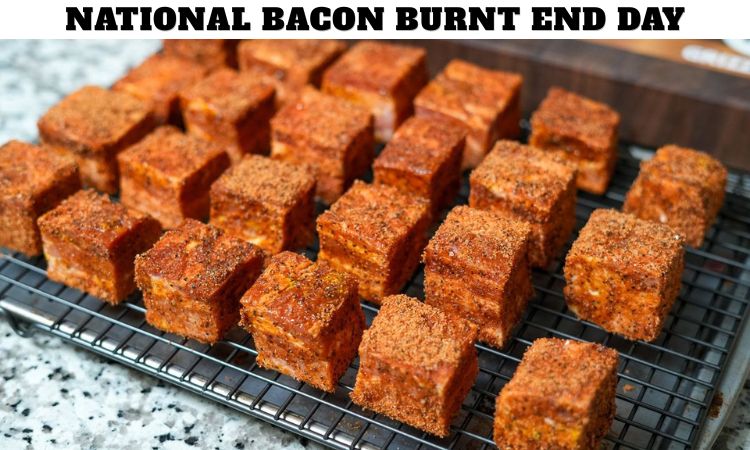
What Is National Bacon Burnt End Day and Why Is It Celebrated on June 29?
National Bacon Burnt End Day is celebrated every year on June 29 to honor one of the most flavorful and indulgent barbecue creations: bacon burnt ends. This food holiday recognizes the growing popularity of bite-sized pieces of caramelized, smoked, and perfectly seasoned bacon that have become a favorite among barbecue enthusiasts across the United States and beyond.
Bacon burnt ends combine the irresistible appeal of crispy bacon with the rich flavors of barbecue seasoning, smoke, and sweet glaze. Their savory taste, tender texture, and versatility have earned them a special place in backyard cookouts, barbecue competitions, and restaurant menus.
National Bacon Burnt End Day encourages food lovers to fire up their smokers, experiment with recipes, and celebrate the creativity and craftsmanship that define modern barbecue culture.
What Are Bacon Burnt Ends?
Bacon burnt ends are small cubes or chunks of thick-cut bacon that are seasoned, smoked, glazed, and cooked until they develop a caramelized exterior while remaining tender and flavorful inside.
Unlike traditional burnt ends, which are typically made from beef brisket, bacon burnt ends use pork belly or thick-cut bacon as the primary ingredient. The bacon pieces are often coated with barbecue rubs, smoked slowly, and finished with a sweet and savory sauce.
Common ingredients used in bacon burnt ends include:
- Thick-cut bacon
- Brown sugar
- Barbecue seasoning
- Honey
- Butter
- Barbecue sauce
- Maple syrup
- Black pepper
The result is a rich, smoky, sweet, and savory delicacy that has become increasingly popular among barbecue enthusiasts.
How Did Bacon Burnt Ends Originate?
The exact origin of bacon burnt ends is not precisely documented, but the dish emerged as part of the ongoing evolution of American barbecue traditions.
Traditional burnt ends originated in Kansas City barbecue culture, where the flavorful ends of smoked beef brisket became highly sought-after delicacies. Pitmasters and home cooks eventually began experimenting with alternative ingredients while maintaining the same cooking philosophy.
As barbecue culture expanded and social media increased the popularity of creative recipes, cooks discovered that thick-cut bacon and pork belly could produce equally delicious results. The sweet, smoky, and crispy qualities of bacon made it an ideal candidate for adaptation.
Over time, bacon burnt ends gained widespread popularity at barbecue competitions, food festivals, restaurants, and backyard gatherings. Their visual appeal and rich flavor quickly transformed them into a modern barbecue favorite.
National Bacon Burnt End Day celebrates this culinary innovation and the creativity of barbecue enthusiasts everywhere.
Why Have Bacon Burnt Ends Become So Popular?
Several factors contribute to the widespread popularity of bacon burnt ends.
First, bacon itself enjoys immense popularity worldwide. Combining bacon with smoking techniques and barbecue flavors naturally creates an appealing dish.
Second, bacon burnt ends deliver a unique combination of textures and flavors, including:
- Crispy exterior
- Tender interior
- Smoky aroma
- Sweet glaze
- Savory richness
- Caramelized finish
Social media platforms have also played a significant role in their rise. Images and videos of glistening bacon burnt ends often attract substantial attention from food enthusiasts.
Additionally, bacon burnt ends are relatively easy to prepare compared to traditional brisket burnt ends, making them accessible to home cooks and beginner pitmasters.
Their versatility as appetizers, snacks, party foods, or side dishes further enhances their popularity.
How Are Bacon Burnt Ends Traditionally Prepared?
Preparing bacon burnt ends involves several stages designed to maximize flavor and texture.
The process usually begins by cutting thick-cut bacon or pork belly into bite-sized cubes. These pieces are then coated generously with a dry barbecue rub.
Typical preparation steps include:
- Cutting bacon into uniform cubes.
- Applying barbecue seasoning.
- Smoking the bacon at low temperatures.
- Adding butter, brown sugar, and sweeteners.
- Continuing to cook until tender.
- Coating with barbecue sauce.
- Allowing the glaze to caramelize.
Smoking temperatures generally range between 225 and 275 degrees Fahrenheit. Depending on the recipe and desired tenderness, cooking may take several hours.
Wood varieties such as hickory, apple, cherry, or pecan are commonly used to impart distinctive smoky flavors.
The final product should possess a balance of tenderness, crispness, sweetness, and smoky richness.
What Makes Bacon Burnt Ends Different from Traditional Burnt Ends?
Although both dishes share similarities, important distinctions exist between traditional burnt ends and bacon burnt ends.
Traditional burnt ends are made from the point end of a smoked beef brisket. These pieces develop from prolonged smoking and are considered a hallmark of classic Kansas City barbecue.
Bacon burnt ends, by contrast, use pork-based ingredients such as thick-cut bacon or pork belly.
Major differences include:
- Beef versus pork ingredients
- Cooking duration
- Fat content
- Flavor profiles
- Texture characteristics
Traditional brisket burnt ends often emphasize smoky beef flavors, while bacon burnt ends highlight sweet, savory, and intensely pork-forward tastes.
Despite these differences, both dishes are celebrated for their rich flavors and caramelized exteriors.
National Bacon Burnt End Day specifically honors the bacon variation that has captured the imagination of modern barbecue enthusiasts.
Why Is Bacon Such an Important Ingredient in Modern Cuisine?
Bacon has become one of the most beloved ingredients in contemporary cooking due to its exceptional flavor and versatility.
Its popularity stems from several qualities:
- Rich umami flavor
- Distinctive aroma
- Crisp texture
- Versatility in recipes
- Compatibility with sweet and savory foods
Bacon appears in breakfast dishes, sandwiches, salads, appetizers, soups, desserts, and countless creative culinary inventions.
Chefs frequently use bacon to enhance flavor complexity and add texture to recipes. The ingredient’s adaptability allows it to complement both traditional and innovative dishes.
Bacon burnt ends represent another example of how cooks continue finding new ways to celebrate this iconic food.
National Bacon Burnt End Day recognizes bacon’s enduring influence on culinary culture.
What Seasonings and Sauces Work Best with Bacon Burnt Ends?
One of the reasons bacon burnt ends are so popular is their ability to pair well with a wide variety of seasonings and sauces.
Popular dry rub ingredients include:
- Paprika
- Brown sugar
- Garlic powder
- Onion powder
- Black pepper
- Chili powder
- Cayenne pepper
Common glaze and sauce options include:
- Traditional barbecue sauce
- Honey glaze
- Maple syrup
- Bourbon sauce
- Spicy barbecue sauce
- Sweet chili sauce
Some cooks prefer sweeter profiles, while others favor spicy or smoky combinations.
Experimenting with different seasoning blends allows barbecue enthusiasts to create personalized versions of bacon burnt ends tailored to individual preferences.
How Can People Celebrate National Bacon Burnt End Day?
There are many delicious ways to celebrate National Bacon Burnt End Day.
Popular celebration ideas include:
- Preparing homemade bacon burnt ends
- Hosting a backyard barbecue
- Visiting a local barbecue restaurant
- Experimenting with new seasoning combinations
- Organizing a barbecue tasting event
- Sharing recipes with friends and family
- Learning smoking techniques
- Participating in barbecue competitions
- Trying regional barbecue styles
- Creating unique dipping sauces
Families and friends often gather around smokers and grills to enjoy good food and companionship.
The holiday also provides an opportunity to appreciate the traditions and innovation that define barbecue culture.
What Equipment Is Commonly Used to Make Bacon Burnt Ends?
Although bacon burnt ends can be prepared using several cooking methods, smokers remain the preferred equipment for many enthusiasts.
Common equipment includes:
- Pellet smokers
- Charcoal smokers
- Offset smokers
- Gas grills
- Electric smokers
- Conventional ovens
Additional tools often used include:
- Meat thermometers
- Aluminum pans
- Tongs
- Wire racks
- Sharp knives
- Basting brushes
While dedicated smokers provide authentic barbecue flavor, excellent bacon burnt ends can also be made in home ovens, making the dish accessible to a broader audience.
The versatility of preparation methods contributes significantly to the dish’s popularity.
What Foods Pair Well with Bacon Burnt Ends?
Bacon burnt ends pair beautifully with numerous side dishes and beverages.
Popular accompaniments include:
- Coleslaw
- Baked beans
- Cornbread
- Macaroni and cheese
- Potato salad
- Pickles
- Grilled vegetables
- Corn on the cob
As appetizers, bacon burnt ends can also be served alongside dipping sauces such as ranch dressing, spicy aioli, or additional barbecue sauce.
Their bold flavors make them a standout addition to gatherings, sporting events, and holiday celebrations.
Why Does National Bacon Burnt End Day Remain Relevant Today?
National Bacon Burnt End Day remains relevant because barbecue culture continues to evolve while maintaining strong connections to tradition.
Modern cooks constantly seek new flavor experiences, and bacon burnt ends represent the creativity and experimentation that characterize contemporary food culture.
The holiday also reflects broader culinary trends, including:
- Increased interest in smoked foods
- Growth of backyard barbecue culture
- Popularity of comfort foods
- Appreciation for artisanal cooking techniques
Social media, food festivals, and competitive barbecue events continue introducing bacon burnt ends to new audiences each year.
As long as people appreciate smoky, savory foods and creative cooking, National Bacon Burnt End Day will continue to be enthusiastically celebrated.
What Can We Learn from National Bacon Burnt End Day?
National Bacon Burnt End Day demonstrates how culinary traditions can evolve through experimentation and innovation.
By adapting classic barbecue concepts to new ingredients, cooks have created an entirely new dish while preserving the spirit of traditional barbecue craftsmanship.
The observance also highlights the importance of food in bringing people together. Whether enjoyed at family cookouts, community events, or restaurant gatherings, bacon burnt ends encourage shared experiences and celebration.
National Bacon Burnt End Day, celebrated annually on June 29, honors one of modern barbecue’s most delicious innovations. Combining smoky flavors, crispy textures, sweet glazes, and savory richness, bacon burnt ends have earned a devoted following among food lovers worldwide.
The holiday provides an opportunity to explore barbecue traditions, experiment with recipes, and enjoy memorable meals with family and friends. Whether prepared on a smoker, grill, or oven, bacon burnt ends continue to showcase the creativity and passion that define great barbecue.
Frequently Asked Questions (FAQs)
1. When is National Bacon Burnt End Day celebrated?
National Bacon Burnt End Day is celebrated annually on June 29.
2. What are bacon burnt ends?
Bacon burnt ends are bite-sized pieces of smoked, seasoned, and caramelized bacon or pork belly.
3. How do bacon burnt ends differ from traditional burnt ends?
Traditional burnt ends are made from beef brisket, while bacon burnt ends are made from bacon or pork belly.
4. What type of bacon is best for bacon burnt ends?
Thick-cut bacon is generally preferred because it holds its shape during cooking.
5. Are bacon burnt ends smoked?
Yes, they are typically smoked to develop rich barbecue flavor.
6. What flavors characterize bacon burnt ends?
They are known for smoky, sweet, savory, and slightly crispy flavors.
7. Can bacon burnt ends be made in an oven?
Yes, although smokers provide more authentic barbecue flavor, ovens can also be used.
8. What sauces pair well with bacon burnt ends?
Barbecue sauce, honey glaze, maple syrup, and spicy sauces are popular choices.
9. How can people celebrate National Bacon Burnt End Day?
People can prepare homemade bacon burnt ends, host barbecues, or visit barbecue restaurants.
10. Why are bacon burnt ends so popular?
Their combination of smoky flavor, sweet glaze, crispy texture, and bacon richness makes them highly appealing.