

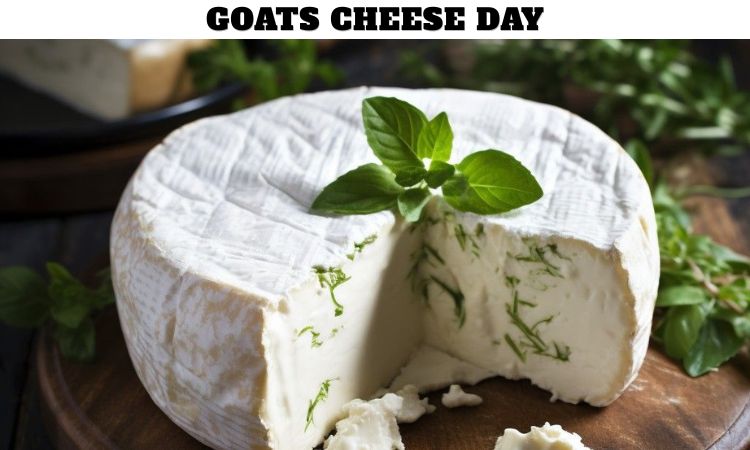
What Is Goats Cheese Day and Why Is It Celebrated on June 25?
Goats Cheese Day, celebrated annually on June 25, is a special food holiday dedicated to one of the world’s oldest and most versatile dairy products. The day honors goat cheese, also known as chèvre, and recognizes its rich history, distinctive flavor, nutritional value, and growing popularity in global cuisine.
For centuries, goat cheese has been enjoyed across cultures and continents. Its creamy texture, tangy taste, and culinary flexibility have made it a favorite ingredient in everything from simple salads to gourmet dishes. Goats Cheese Day encourages food enthusiasts, chefs, farmers, and cheese lovers to appreciate the craftsmanship involved in producing goat cheese and to explore the many ways it can be enjoyed.
The celebration highlights not only the cheese itself but also the agricultural traditions, sustainable farming practices, and cultural heritage associated with goat milk production around the world.
What Is Goat Cheese?
Goat cheese is a dairy product made from the milk of goats. Unlike cheese produced from cow’s milk, goat cheese has a unique flavor profile that is often described as tangy, earthy, fresh, and slightly tart.
The texture of goat cheese varies depending on how it is produced. It can range from soft and spreadable to firm and aged. Some varieties are creamy and mild, while others develop stronger flavors as they mature.
Goat cheese is available in many forms, including:
- Fresh goat cheese
- Soft-ripened goat cheese
- Aged goat cheese
- Crumbled goat cheese
- Goat cheese logs
- Herb-coated goat cheese
- Ash-coated goat cheese
Its versatility has helped make it a staple ingredient in kitchens worldwide.
How Long Has Goat Cheese Been Around?
Goat cheese is one of the oldest known dairy products in human history. Archaeological evidence suggests that goats were among the first animals domesticated by humans thousands of years ago.
Ancient civilizations quickly recognized the value of goat milk due to its availability and nutritional qualities. As people developed methods for preserving milk, cheese-making became an important practice.
Throughout history, goat cheese has been produced in regions across:
- Europe
- Asia
- Africa
- The Middle East
- The Mediterranean
Many traditional recipes and cheese-making techniques have been passed down through generations, preserving a culinary heritage that continues to thrive today.
The long history of goat cheese contributes to its status as a cherished food in many cultures.
Why Is Goat Cheese Different from Cow’s Milk Cheese?
Goat cheese differs from cow’s milk cheese in several important ways. The composition of goat milk creates distinct flavor, texture, and nutritional characteristics.
Key differences include:
- Smaller fat molecules
- Different protein structures
- Tangier flavor profile
- Creamier texture
- Distinct aroma
- Higher digestibility for some individuals
These differences contribute to the unique eating experience associated with goat cheese.
Many people who find cow’s milk products difficult to digest report that goat cheese is easier on their digestive system, although individual experiences vary.
Its distinctive characteristics have helped goat cheese establish a loyal following among food enthusiasts.
What Makes Goat Cheese So Popular?
The popularity of goat cheese stems from its versatility and distinctive taste. Its bright, tangy flavor enhances a wide variety of dishes while complementing both sweet and savory ingredients.
Reasons for its popularity include:
- Unique flavor
- Creamy consistency
- Culinary flexibility
- Nutritional benefits
- Artisan appeal
- Availability in many varieties
Goat cheese can be served as a spread, incorporated into recipes, crumbled over salads, or enjoyed on its own.
Its ability to elevate simple dishes has made it a favorite ingredient among home cooks and professional chefs alike.
What Are the Nutritional Benefits of Goat Cheese?
Goat cheese contains several nutrients that contribute to a balanced diet. It provides high-quality protein and important vitamins and minerals.
Common nutrients found in goat cheese include:
- Protein
- Calcium
- Vitamin A
- Phosphorus
- Potassium
- Riboflavin
- Healthy fats
Protein supports muscle maintenance and repair, while calcium contributes to strong bones and teeth.
Because goat cheese is often consumed in moderate portions, it can be a flavorful addition to meals without requiring large quantities.
Its nutritional profile, combined with its rich taste, makes it an appealing option for many individuals seeking diverse dairy choices.
How Is Goat Cheese Made?
The process of making goat cheese combines traditional craftsmanship with modern food production techniques.
The basic steps include:
- Collecting fresh goat milk
- Pasteurizing or preparing the milk
- Adding cultures and enzymes
- Allowing curds to form
- Separating curds from whey
- Draining excess moisture
- Shaping the cheese
- Aging when required
Different production methods result in varying textures and flavors. Fresh goat cheese is often ready relatively quickly, while aged varieties may mature for months to develop more complex characteristics.
The skill of the cheesemaker plays a significant role in determining the final product’s quality and flavor profile.
What Are Some Popular Types of Goat Cheese?
Goat cheese comes in numerous styles, each offering unique textures and flavors.
Popular varieties include:
- Fresh chèvre
- Soft-ripened goat cheese
- Aged goat cheese
- Goat feta
- Herb-covered goat cheese
- Ash-ripened goat cheese
- Goat gouda
- Goat cheddar
Fresh chèvre is among the most widely recognized varieties. It is soft, creamy, and ideal for spreading on bread or crackers.
Aged varieties often develop stronger flavors and firmer textures, appealing to those who enjoy more complex cheeses.
The wide selection available allows consumers to find options suited to different tastes and culinary applications.
How Is Goat Cheese Used in Cooking?
Goat cheese is one of the most versatile ingredients in modern cuisine. Its creamy texture and tangy flavor make it suitable for countless dishes.
Common culinary uses include:
- Salads
- Pasta dishes
- Sandwiches
- Pizzas
- Appetizers
- Omelets
- Tarts
- Soups
- Roasted vegetables
- Desserts
Its ability to melt, spread, crumble, or blend makes it useful in both simple and sophisticated recipes.
Many chefs appreciate goat cheese because it adds richness without overwhelming other ingredients.
Why Is Goat Cheese Popular in Gourmet Cuisine?
Goat cheese has earned a prominent place in gourmet cooking because of its distinctive flavor and elegant presentation. It pairs exceptionally well with fruits, nuts, herbs, honey, and wine.
Professional chefs often use goat cheese to create balanced flavor combinations that highlight freshness and complexity.
Popular pairings include:
- Goat cheese and figs
- Goat cheese and honey
- Goat cheese and walnuts
- Goat cheese and berries
- Goat cheese and roasted beets
- Goat cheese and herbs
These combinations showcase the cheese’s ability to enhance both sweet and savory dishes.
Its refined character has made it a favorite ingredient in fine dining establishments around the world.
How Do Farmers Contribute to the Success of Goat Cheese Production?
Behind every piece of goat cheese is the dedication of farmers who care for dairy goats and maintain high standards of animal welfare.
Successful goat farming involves:
- Proper nutrition
- Veterinary care
- Sustainable practices
- Responsible breeding
- Quality milk production
- Environmental stewardship
Many small-scale farms specialize in artisan goat cheese production, contributing to local economies and preserving traditional agricultural practices.
Goats Cheese Day provides an opportunity to recognize the important role farmers play in producing the milk that forms the foundation of this beloved food.
How Is Goats Cheese Day Celebrated?
People celebrate Goats Cheese Day in various ways depending on their interests and culinary preferences.
Popular activities include:
- Tasting different goat cheese varieties
- Creating goat cheese recipes
- Visiting local farms
- Attending food festivals
- Hosting cheese tastings
- Pairing cheese with fruits and beverages
- Learning about cheese-making traditions
- Supporting artisan producers
Restaurants and specialty food shops may also feature goat cheese dishes and promotions in honor of the holiday.
These celebrations encourage greater appreciation for the craftsmanship and history behind goat cheese production.
Why Does Goats Cheese Day Continue to Grow in Popularity?
Goats Cheese Day continues to gain recognition because consumers are increasingly interested in artisan foods, specialty cheeses, and diverse culinary experiences. Goat cheese offers a unique combination of history, flavor, versatility, and nutritional value that appeals to a broad audience.
The holiday highlights a food that has remained relevant for thousands of years while continuing to inspire innovation in modern kitchens. Whether enjoyed in a simple salad, an elegant appetizer, or a gourmet entrée, goat cheese demonstrates the enduring appeal of traditional craftsmanship and quality ingredients.
Every June 25, cheese lovers around the world have another reason to celebrate one of the most distinctive and cherished dairy products ever created.
Frequently Asked Questions (FAQs)
1. When is Goats Cheese Day celebrated?
Goats Cheese Day is celebrated annually on June 25.
2. What is goat cheese made from?
Goat cheese is made from the milk of goats.
3. Why is goat cheese different from cow’s milk cheese?
It has a unique flavor, texture, and milk composition that distinguish it from cow’s milk cheese.
4. Is goat cheese nutritious?
Yes, goat cheese contains protein, calcium, vitamins, and several essential minerals.
5. What does goat cheese taste like?
Goat cheese typically has a tangy, creamy, and slightly earthy flavor.
6. What is chèvre?
Chèvre is a French term commonly used to describe goat cheese, especially fresh varieties.
7. How is goat cheese commonly used in cooking?
It is used in salads, pasta dishes, sandwiches, pizzas, appetizers, and desserts.
8. Are there different types of goat cheese?
Yes, goat cheese is available in fresh, aged, soft-ripened, herb-coated, and many other varieties.
9. Why is goat cheese popular in gourmet cuisine?
Its distinctive flavor and versatility make it ideal for sophisticated food pairings and recipes.
10. How do people celebrate Goats Cheese Day?
People celebrate by tasting goat cheese, preparing recipes, attending food events, and supporting local producers.