

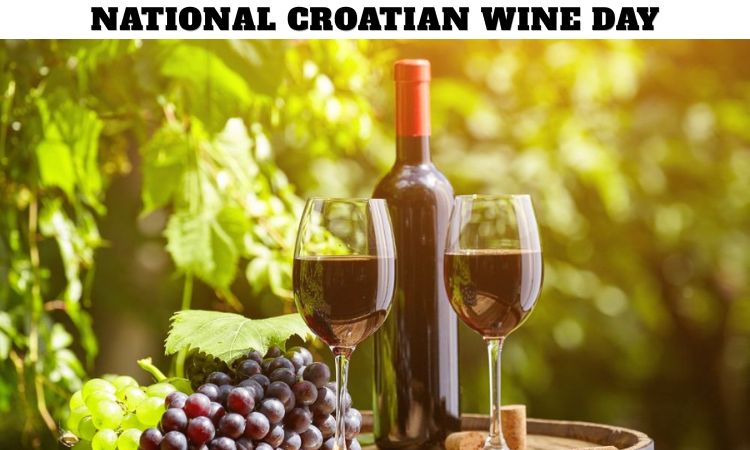
What Is National Croatian Wine Day and Why Is It Celebrated on June 25?
National Croatian Wine Day, celebrated annually on June 25, is a special occasion dedicated to recognizing Croatia’s remarkable winemaking heritage and centuries-old wine culture. The day honors the country’s vineyards, winemakers, indigenous grape varieties, and the important role wine plays in Croatian history, traditions, and cuisine.
Croatia is often considered one of Europe’s hidden wine treasures. Despite its relatively small size, the country boasts an impressive diversity of wine-producing regions, unique grape varieties, and traditional production methods that have been preserved for generations.
National Croatian Wine Day provides an opportunity for wine enthusiasts, travelers, historians, and food lovers to explore the rich story behind Croatian wines while appreciating the craftsmanship and dedication that make them distinctive. The celebration highlights not only the beverages themselves but also the cultural heritage, landscapes, and communities connected to winemaking throughout Croatia.
Why Is Croatia Known for Its Winemaking Heritage?
Croatia’s winemaking tradition dates back more than two thousand years. Ancient civilizations recognized the country’s favorable climate, fertile soil, and coastal geography as ideal conditions for cultivating grapes.
The influence of Greek settlers, Roman traders, and later European cultures contributed to the development of sophisticated vineyard practices across the region. Over centuries, Croatian winemakers refined their techniques while preserving local traditions that remain evident today.
Wine became deeply integrated into Croatian daily life, religious ceremonies, celebrations, and family gatherings. Generations of vineyard owners passed down knowledge about grape cultivation, harvesting, fermentation, and aging, creating a rich legacy that continues to thrive.
Today, Croatia remains proud of its historical connection to wine and continues to produce high-quality wines that gain recognition in international markets.
How Old Is the Croatian Wine Tradition?
The Croatian wine tradition is among the oldest in Europe. Archaeological evidence suggests that grape cultivation and wine production have existed in the region for more than 2,500 years.
Ancient Greek settlers established vineyards along the Adriatic coast, particularly on islands and coastal territories. The Romans later expanded vineyard cultivation and introduced advanced agricultural techniques that improved wine production.
Throughout medieval and modern periods, monasteries, noble families, and rural communities contributed to preserving winemaking knowledge. Despite historical challenges, including wars and political changes, Croatian wine culture remained resilient.
The continuity of this tradition makes Croatian wine an important part of the nation’s cultural identity and historical heritage.
What Makes Croatian Wines Unique?
Several factors contribute to the uniqueness of Croatian wines. The country’s geography creates a wide range of growing conditions that support diverse grape varieties and wine styles.
Key factors include:
- Mediterranean coastal climates
- Continental inland regions
- Mineral-rich soils
- Mountain influences
- Indigenous grape varieties
- Traditional production methods
These characteristics allow Croatian winemakers to produce wines with distinctive aromas, flavors, and personalities.
Many Croatian wines cannot be replicated elsewhere because they originate from grape varieties found almost exclusively within the country. This combination of tradition and terroir creates a wine experience that is uniquely Croatian.
Which Wine Regions Are Most Famous in Croatia?
Croatia’s wine industry is divided into several major wine-producing regions, each offering unique characteristics and styles.
The most notable regions include:
- Dalmatia
- Istria
- Slavonia
- Croatian Uplands
- Kvarner
- Central and Southern Dalmatian Islands
The Dalmatian coast is particularly renowned for red wines grown in sunny vineyard locations overlooking the Adriatic Sea.
Istria has gained international recognition for producing elegant white wines and high-quality Malvasia varieties.
Slavonia is famous for both wine production and oak forests that provide barrels used in aging wines around the world.
Each region contributes to Croatia’s rich and diverse wine landscape.
Which Indigenous Croatian Grape Varieties Are Most Popular?
One of the most fascinating aspects of Croatian wine culture is its collection of indigenous grape varieties. Many of these grapes are cultivated almost exclusively within Croatia.
Popular indigenous varieties include:
- Plavac Mali
- Malvazija Istarska
- Graševina
- Pošip
- Teran
- Babić
- Debit
- Maraština
- Vugava
- Crljenak Kaštelanski
These varieties produce wines with unique flavor profiles that reflect Croatia’s diverse terroir and centuries-old winemaking traditions.
Wine enthusiasts often seek out these indigenous grapes because they offer tasting experiences not commonly found elsewhere in the world.
What Is the Significance of Plavac Mali in Croatian Wine?
Plavac Mali is often considered Croatia’s most famous red grape variety. It thrives along the sun-drenched slopes of Dalmatia and produces rich, full-bodied wines with concentrated flavors.
The grape is known for characteristics such as:
- Dark fruit notes
- Spice undertones
- Robust tannins
- Aging potential
- Complex aromas
Plavac Mali wines are frequently associated with some of Croatia’s most prestigious vineyards and are highly regarded by wine collectors and enthusiasts.
The variety has become an international ambassador for Croatian winemaking excellence and represents the country’s commitment to preserving indigenous grape heritage.
How Is National Croatian Wine Day Celebrated?
National Croatian Wine Day is celebrated through various activities that showcase the country’s wine culture and culinary traditions.
Common celebrations include:
- Wine tastings
- Vineyard tours
- Winery visits
- Food and wine pairings
- Cultural festivals
- Educational seminars
- Harvest demonstrations
- Local wine markets
- Culinary events
- Community gatherings
Many wine enthusiasts use the day to discover new Croatian wines or revisit classic favorites. Restaurants and wineries may organize special events that introduce guests to regional wines and traditional Croatian cuisine.
The celebration encourages appreciation for both the art and science of winemaking.
Why Is Wine Important to Croatian Culture?
Wine occupies a central place in Croatian culture and social life. For centuries, it has been associated with hospitality, family gatherings, religious observances, and festive occasions.
Many traditional celebrations include wine as a symbol of friendship, generosity, and community. Family-owned vineyards often represent generations of dedication and local pride.
Wine is also closely linked to Croatian cuisine. Regional dishes are frequently paired with local wines that complement their flavors and enhance the dining experience.
The connection between wine and cultural identity remains strong throughout Croatia, making National Croatian Wine Day a meaningful celebration of national heritage.
How Does Croatian Cuisine Complement Local Wines?
Croatian cuisine and wine have evolved together over centuries, creating natural pairings that highlight regional ingredients and culinary traditions.
Examples include:
- Seafood with coastal white wines
- Grilled meats with Dalmatian reds
- Truffle dishes with Istrian wines
- Cheese platters with aromatic whites
- Traditional stews with full-bodied reds
These pairings enhance both the food and wine, creating balanced dining experiences that reflect local customs and agricultural traditions.
Many visitors to Croatia consider food and wine pairing one of the most memorable aspects of exploring the country’s culinary culture.
What Role Do Vineyards Play in Croatia’s Tourism Industry?
Wine tourism has become an increasingly important part of Croatia’s tourism sector. Travelers from around the world visit vineyards and wineries to experience the country’s winemaking traditions firsthand.
Wine tourism activities often include:
- Guided vineyard tours
- Barrel tastings
- Wine education programs
- Cultural heritage experiences
- Local food pairings
- Scenic countryside visits
The combination of beautiful landscapes, historic villages, coastal views, and exceptional wines attracts visitors seeking authentic cultural experiences.
National Croatian Wine Day helps promote awareness of these destinations while supporting local producers and rural communities.
Why Does National Croatian Wine Day Continue to Grow in Popularity?
National Croatian Wine Day continues to gain popularity because interest in authentic wine experiences and indigenous grape varieties is increasing worldwide. Wine enthusiasts are eager to discover regions beyond traditional wine-producing countries, and Croatia offers a compelling combination of history, quality, and diversity.
The celebration highlights a winemaking tradition that has survived for centuries while continuing to innovate and evolve. It provides an opportunity to recognize the dedication of Croatian vintners and appreciate the cultural significance of wine within the country.
As global appreciation for Croatian wines expands, National Croatian Wine Day serves as a reminder of the nation’s remarkable contribution to the world of wine and its enduring commitment to preserving a rich and vibrant winemaking heritage.
Frequently Asked Questions (FAQs)
1. When is National Croatian Wine Day celebrated?
National Croatian Wine Day is celebrated annually on June 25.
2. What is the purpose of National Croatian Wine Day?
The day honors Croatia’s winemaking heritage, vineyards, indigenous grapes, and wine culture.
3. Why is Croatia famous for wine?
Croatia has over two thousand years of winemaking history and numerous indigenous grape varieties.
4. What is Croatia’s most famous red wine grape?
Plavac Mali is considered Croatia’s most famous red grape variety.
5. Which Croatian wine region is internationally recognized?
Istria is widely recognized for its high-quality wines, especially Malvazija Istarska.
6. Are Croatian wines produced only near the coast?
No, Croatia produces wine in both coastal and inland regions.
7. What are indigenous Croatian grape varieties?
They are grape varieties that originated in Croatia and are primarily grown there.
8. How do people celebrate National Croatian Wine Day?
Celebrations include wine tastings, vineyard tours, winery events, and food pairings.
9. Why is wine important in Croatian culture?
Wine is closely connected to hospitality, traditions, family gatherings, and regional cuisine.
10. Is Croatian wine gaining international popularity?
Yes, Croatian wines are increasingly recognized and appreciated by wine enthusiasts worldwide.