

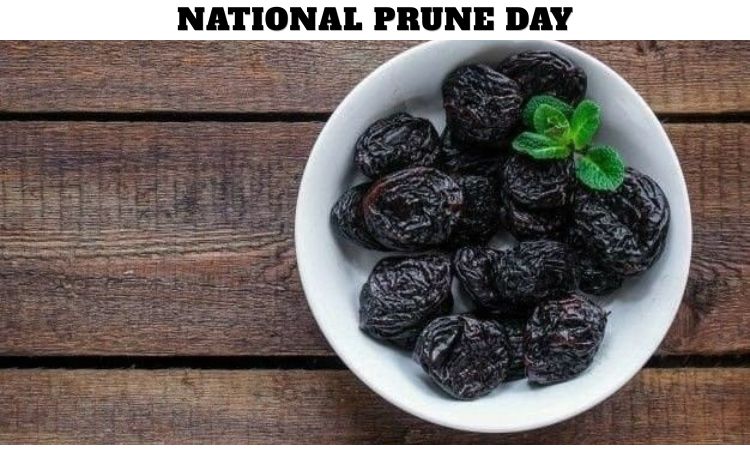
Why Is National Prune Day Celebrated on June 15?
National Prune Day is celebrated annually on June 15 to recognize the nutritional value, versatility, and long history of prunes. Often overlooked in favor of fresher fruits, prunes have earned a place in kitchens around the world due to their unique flavor, convenience, and health benefits. This special day encourages people to appreciate dried plums and discover the many ways they can be incorporated into a healthy lifestyle.
Prunes are made by drying specific varieties of plums, creating a naturally sweet fruit that can be enjoyed on its own or used in a variety of recipes. Their long shelf life and concentrated flavor have made them a popular food for centuries. Throughout history, prunes have served as an important source of nutrition and energy, particularly in regions where preserving food was essential.
National Prune Day provides an opportunity to celebrate this humble fruit and learn more about its role in agriculture, cooking, and nutrition. It also encourages people to explore creative ways to include prunes in meals and snacks.
Although prunes are often associated with traditional diets, they continue to find new audiences thanks to modern recipes and growing awareness of their nutritional benefits. Their combination of natural sweetness and versatility makes them suitable for both sweet and savory dishes.
Every June 15, National Prune Day reminds people that even simple foods can have rich histories and valuable contributions to health and wellness.
What Exactly Are Prunes?
Prunes are dried plums that have undergone a dehydration process to remove most of their water content while preserving their flavor and nutrients. Not all plum varieties are used to make prunes. Certain types are specifically selected because they dry well and maintain a pleasant texture and taste.
The drying process concentrates the fruit’s natural sugars, resulting in a rich, sweet flavor. This makes prunes a popular ingredient in both traditional and contemporary recipes. Their chewy texture and distinctive taste have contributed to their lasting popularity.
Prunes can be eaten as a snack, added to baked goods, blended into sauces, or incorporated into savory dishes. Their versatility allows them to fit into a wide range of culinary traditions.
Because they are dried, prunes can be stored for longer periods than fresh plums, making them a convenient pantry staple. This practicality has contributed to their widespread use throughout history.
National Prune Day celebrates this unique fruit and its enduring appeal across generations.
How Did Prunes Become Popular Around the World?
Prunes have a long history that dates back centuries. Drying fruit was one of the earliest methods of food preservation, allowing communities to store nutritious foods for extended periods.
As trade routes expanded and agricultural techniques improved, dried fruits became increasingly common. Prunes gained popularity because they were portable, durable, and packed with nutrients. Travelers, farmers, and families often relied on dried fruits as convenient sources of energy.
Over time, prunes became established in the cuisines of many regions. Different cultures developed their own recipes and traditions involving dried plums. Their adaptability helped them remain relevant even as food preservation technologies advanced.
Today, prunes are enjoyed worldwide and continue to play a role in both traditional and modern cooking. Their reputation as a nutritious and flavorful ingredient has helped maintain their popularity.
National Prune Day honors the historical journey of prunes and their lasting place in global food culture.
Why Are Prunes Considered Nutritious?
Prunes are often recognized for their impressive nutritional profile. Although small in size, they contain a variety of nutrients that contribute to a balanced diet.
Because prunes are dried, many of the nutrients found in fresh plums become more concentrated. They provide natural carbohydrates, dietary fiber, vitamins, and minerals. These nutrients support overall wellness and make prunes a valuable addition to many eating plans.
The natural sweetness of prunes also makes them an appealing alternative to processed snacks and desserts. Many people enjoy them as a convenient way to satisfy sweet cravings while consuming fruit-based nutrition.
Prunes fit well into a variety of dietary patterns and can be enjoyed by people of different ages. Their combination of flavor and nutrition has contributed to their enduring popularity.
National Prune Day highlights the benefits of choosing wholesome foods that provide both taste and nourishment.
How Are Prunes Used in Cooking?
Prunes are remarkably versatile and can be used in numerous culinary applications. Their sweet flavor and soft texture make them suitable for a wide range of dishes.
In baking, prunes are often added to cakes, muffins, breads, cookies, and pastries. Their natural sweetness can enhance recipes while contributing moisture and texture.
Prunes are also used in savory cooking. Many traditional dishes incorporate dried fruits to create depth of flavor and balance. Prunes pair well with meats, grains, vegetables, and sauces.
Some people blend prunes into smoothies, spreads, and purees. Others chop them into salads or breakfast dishes for added sweetness and texture.
The adaptability of prunes allows cooks to experiment with different flavor combinations while benefiting from their nutritional value.
National Prune Day encourages people to explore the many creative ways prunes can be used in everyday meals.
Why Have Prunes Been Important Throughout History?
Historically, prunes played an important role in food preservation and nutrition. Before refrigeration became widely available, drying fruit was one of the most effective ways to prevent spoilage.
Communities relied on dried foods to ensure access to nutrition during seasons when fresh produce was scarce. Prunes provided a reliable source of energy and nutrients that could be stored for extended periods.
Their portability also made them useful for travelers, workers, and military personnel. Dried fruits could be transported easily and consumed without preparation.
As agricultural practices evolved, prunes remained a valuable commodity in domestic and international trade. Their popularity contributed to the growth of fruit cultivation and food processing industries.
National Prune Day recognizes the historical significance of prunes and their contribution to food security and nutrition.
How Do Prunes Fit Into Modern Diets?
Despite their long history, prunes continue to have a place in modern diets. Growing interest in whole foods and natural ingredients has renewed appreciation for dried fruits.
Prunes offer a convenient snack option that requires no preparation and can easily be carried for on-the-go consumption. Their naturally sweet flavor appeals to individuals seeking alternatives to highly processed foods.
Modern recipes frequently incorporate prunes into healthy meals and snacks. They can be used as ingredients in energy bites, smoothies, baked goods, and savory dishes.
The fruit’s versatility allows it to complement various dietary preferences and culinary styles. Whether enjoyed alone or incorporated into recipes, prunes remain a practical and nutritious choice.
National Prune Day highlights how traditional foods can continue to meet the needs of contemporary lifestyles.
How Can Families Celebrate National Prune Day?
Families can celebrate National Prune Day in a variety of enjoyable and educational ways. Preparing recipes together is one of the most popular activities associated with the observance.
Children can learn about food preservation, agriculture, and nutrition while helping prepare prune-based snacks or desserts. Cooking together creates opportunities for learning and family bonding.
Families may also explore different cultural recipes that feature prunes. This approach helps introduce new flavors while encouraging appreciation for culinary traditions from around the world.
Some people celebrate by sampling various dried fruits and discussing their characteristics and uses. Others enjoy creating healthy snack options that incorporate prunes as a key ingredient.
National Prune Day provides a fun opportunity to learn more about nutrition while enjoying delicious food together.
Why Is Food Preservation Still Relevant Today?
Although modern refrigeration has transformed food storage, preservation techniques remain important. Drying, freezing, canning, and fermenting continue to play significant roles in reducing food waste and extending shelf life.
Prunes represent one of the oldest and most successful examples of food preservation. Their continued popularity demonstrates the effectiveness of drying as a method for maintaining flavor and nutritional value.
Preserved foods contribute to food availability by allowing consumers to enjoy products outside their typical growing seasons. They also provide convenient options for busy lifestyles.
Learning about preserved foods helps people appreciate the ingenuity of earlier generations and the importance of sustainable food practices.
National Prune Day encourages reflection on the role food preservation has played in supporting communities throughout history.
What Is the Lasting Significance of National Prune Day?
The lasting significance of National Prune Day lies in its celebration of a food that combines history, nutrition, and versatility. Prunes may appear simple, but they represent centuries of agricultural knowledge, food preservation techniques, and culinary creativity.
The observance encourages people to recognize the value of wholesome foods that have stood the test of time. It highlights how traditional ingredients can continue to contribute to modern diets and healthy lifestyles.
National Prune Day also promotes awareness of the importance of balanced nutrition and thoughtful food choices. By appreciating foods such as prunes, people gain a greater understanding of the relationship between agriculture, culture, and wellness.
The holiday serves as a reminder that many nutritious foods deserve recognition, even if they are sometimes overlooked. Prunes continue to offer flavor, convenience, and nutritional benefits that appeal to a wide range of consumers.
Every June 15, National Prune Day celebrates the enduring importance of dried plums and encourages people to discover the many ways they can enrich meals, traditions, and healthy living.
Frequently Asked Questions (FAQs)
1. What is National Prune Day?
National Prune Day is an annual observance that celebrates prunes, their nutritional value, and their culinary uses.
2. When is National Prune Day celebrated?
National Prune Day is celebrated every year on June 15.
3. What are prunes?
Prunes are dried plums made from specific varieties of plum trees.
4. Why are prunes popular?
Prunes are valued for their sweet flavor, convenience, long shelf life, and nutritional benefits.
5. How are prunes made?
Prunes are produced by drying ripe plums to remove most of their moisture.
6. Can prunes be used in cooking?
Yes, prunes can be used in baked goods, savory dishes, smoothies, sauces, and snacks.
7. Why were prunes important historically?
They provided a reliable source of preserved nutrition before modern refrigeration existed.
8. Are prunes still relevant today?
Yes, prunes remain popular as a nutritious snack and versatile cooking ingredient.
9. How can people celebrate National Prune Day?
People can celebrate by enjoying prunes, trying new recipes, and learning about food preservation.
10. What is the purpose of National Prune Day?
The day recognizes the history, nutritional value, and cultural significance of prunes.