

Why Is National Bourbon Day Celebrated on June 14?
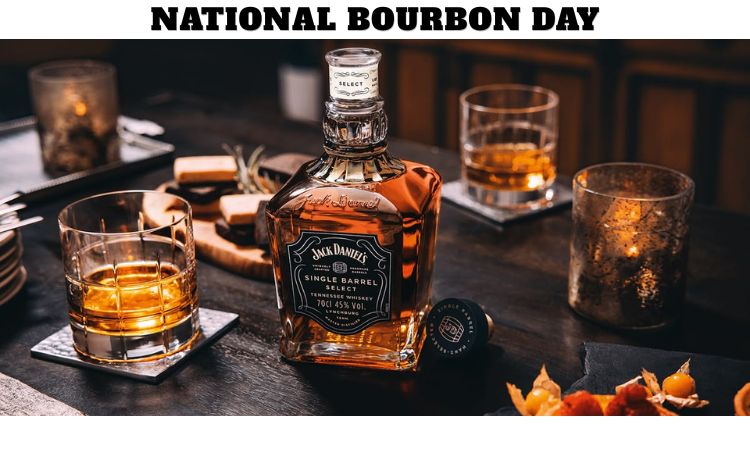
National Bourbon Day is celebrated annually on June 14 to honor bourbon, one of the most recognized and influential styles of whiskey in the world. The observance highlights the history, craftsmanship, and cultural significance of bourbon while recognizing the distillers, producers, and enthusiasts who have contributed to its enduring popularity.
Bourbon occupies a unique place in beverage history because of its distinctive production standards and rich heritage. Over the years, it has become closely associated with tradition, quality, and skilled craftsmanship. National Bourbon Day provides an opportunity to appreciate the dedication required to create a spirit that is enjoyed by millions around the globe.
The observance is also a celebration of innovation. While bourbon is rooted in tradition, modern producers continue to experiment with aging techniques, grain combinations, and production methods that expand the variety available to consumers.
For many enthusiasts, June 14 serves as a day to learn more about bourbon’s origins, production process, and role in culture. Educational events, tastings, and discussions often accompany the celebration, helping people gain a deeper appreciation for the spirit.
National Bourbon Day reminds us that behind every bottle lies a story of agriculture, craftsmanship, patience, and expertise.
What Is Bourbon?
Bourbon is a type of whiskey produced according to specific standards that distinguish it from other whiskey varieties. It is known for its rich flavor, smooth character, and aging process that contributes to its distinctive taste.
The production of bourbon begins with a grain mixture known as a mash bill. Corn plays a significant role in the recipe and contributes to the spirit’s characteristic sweetness. Additional grains are often included to create complexity and balance.
After fermentation and distillation, the spirit is placed in new charred oak barrels for aging. During this process, the whiskey develops its color, aroma, and flavor profile through interaction with the wood.
Bourbon is appreciated for its wide range of tasting notes, which may include vanilla, caramel, oak, spice, fruit, and toasted flavors. Different production methods and aging periods contribute to unique expressions.
National Bourbon Day celebrates the qualities that make bourbon a distinctive and respected spirit enjoyed throughout the world.
How Did Bourbon Become Famous?
Bourbon gained recognition through a combination of craftsmanship, regional traditions, and growing consumer appreciation. Over time, producers refined their methods and established standards that helped define bourbon’s identity.
As production expanded, bourbon became known for its quality and distinctive character. Its reputation grew among consumers seeking a spirit with rich flavor and a strong connection to heritage.
The rise of cocktail culture also contributed to bourbon’s popularity. Bartenders incorporated it into a variety of classic and modern drinks, introducing new audiences to its versatility.
As interest in premium and artisanal products increased, bourbon experienced renewed attention from enthusiasts eager to explore different styles and aging techniques.
National Bourbon Day recognizes this journey and celebrates the factors that helped bourbon become one of the world’s most admired whiskey categories.
Why Is Bourbon Considered a Symbol of Craftsmanship?
Bourbon is often viewed as a symbol of craftsmanship because its production requires careful attention to detail at every stage. From grain selection to barrel aging, each decision influences the final product.
Distillers must manage fermentation, distillation, and maturation processes with precision to achieve desired flavor characteristics. Small adjustments can significantly impact the finished spirit.
The aging process is particularly important. Bourbon develops complexity over time as it interacts with charred oak barrels. This maturation requires patience and expertise.
Many producers maintain traditions that have been passed down through generations, preserving techniques that contribute to consistency and quality. At the same time, innovation continues to shape the industry.
National Bourbon Day highlights the dedication and skill involved in producing bourbon and celebrates the individuals who uphold these standards of excellence.
How Is Bourbon Made?
The creation of bourbon begins with the preparation of a grain mixture that serves as the foundation for the spirit. The grains are combined with water and processed to extract fermentable sugars.
Yeast is then added to initiate fermentation, converting sugars into alcohol. Once fermentation is complete, the liquid undergoes distillation to concentrate and refine the alcohol content.
After distillation, the spirit is transferred into new charred oak barrels for aging. During maturation, the whiskey absorbs compounds from the wood that contribute to its color, aroma, and flavor.
Temperature changes cause the spirit to expand and contract within the barrel, enhancing interaction with the oak. This process helps create the complexity that bourbon is known for.
When the producer determines that the desired flavor profile has been achieved, the bourbon is prepared for bottling and distribution. National Bourbon Day provides an opportunity to appreciate the expertise involved in every stage of production.
Why Do People Appreciate Bourbon?
People appreciate bourbon for a variety of reasons, including its flavor, heritage, and craftsmanship. The spirit offers a broad range of tasting experiences that appeal to both newcomers and experienced enthusiasts.
Its flavor profile often combines sweetness, spice, oak, and other nuanced characteristics that develop during aging. This complexity encourages exploration and comparison among different expressions.
Many consumers are drawn to the history and traditions associated with bourbon. Learning about production methods and aging techniques enhances appreciation for the final product.
Bourbon also plays an important role in social and cultural traditions. Tastings, educational events, and discussions provide opportunities for people to connect through shared interests.
National Bourbon Day celebrates these aspects and encourages a deeper understanding of what makes bourbon special.
How Do People Celebrate National Bourbon Day?
National Bourbon Day is celebrated in many ways, often focusing on education, appreciation, and responsible enjoyment. Enthusiasts frequently participate in tastings that allow them to compare different styles and flavor profiles.
Distilleries may organize tours and special events that provide insight into production techniques and aging processes. These experiences help visitors learn more about the craft behind bourbon.
Educational seminars and discussions are also common. Participants explore topics such as barrel maturation, grain selection, and the evolution of bourbon over time.
Collectors and enthusiasts often use the day to expand their knowledge, discover new expressions, or revisit favorite varieties. Many enjoy sharing their experiences with friends and fellow bourbon fans.
The observance emphasizes learning and appreciation while celebrating the rich traditions associated with bourbon production.
What Role Does Bourbon Play in Culture?
Bourbon has become an important cultural symbol associated with craftsmanship, hospitality, and tradition. Its influence extends beyond beverage production into areas such as tourism, culinary arts, and social gatherings.
The spirit often appears in cultural events, celebrations, and educational programs that explore its history and significance. Distilleries attract visitors interested in learning about production techniques and regional traditions.
Bourbon has also influenced culinary creativity. Chefs and food enthusiasts incorporate it into recipes, desserts, sauces, and other culinary creations.
Its presence in literature, media, and storytelling has further strengthened its cultural identity. Many people view bourbon as a reflection of heritage and dedication to quality.
National Bourbon Day highlights these contributions and celebrates the spirit’s enduring influence on culture and tradition.
Why Is Education Important on National Bourbon Day?
Education is one of the most valuable aspects of National Bourbon Day. Understanding how bourbon is produced and aged allows consumers to develop a greater appreciation for the craftsmanship involved.
Learning about ingredients, fermentation, distillation, and maturation helps explain why different bourbons exhibit unique characteristics. This knowledge enhances the tasting experience and encourages informed exploration.
Educational opportunities also help preserve traditions by sharing information about the history and development of bourbon production. Understanding the past contributes to appreciation of the present.
Distilleries, industry organizations, and enthusiasts often use the observance to promote awareness and knowledge. These efforts support a culture of appreciation rooted in learning rather than simple consumption.
National Bourbon Day encourages curiosity and helps foster respect for the expertise behind every bottle.
What Is the Lasting Significance of National Bourbon Day?
The lasting significance of National Bourbon Day lies in its recognition of a spirit that represents craftsmanship, tradition, and innovation. The observance honors the individuals whose dedication and expertise have helped establish bourbon as one of the world’s most respected whiskey styles.
The day encourages people to learn about the production process, appreciate the skill involved in aging and blending, and recognize the cultural impact of bourbon throughout history. It serves as a reminder that quality products often require patience, precision, and commitment.
National Bourbon Day also celebrates the sense of community that surrounds bourbon appreciation. Enthusiasts, producers, educators, and newcomers come together to share knowledge, experiences, and enthusiasm.
As interest in premium spirits continues to grow, the observance remains an important opportunity to promote education and understanding. It highlights the value of preserving traditions while embracing innovation.
Each June 14, National Bourbon Day honors the rich legacy of bourbon and inspires future generations to appreciate the craftsmanship and heritage that make it a truly distinctive spirit.
Frequently Asked Questions (FAQs)
1. What is National Bourbon Day?
National Bourbon Day is an annual observance celebrating bourbon and its history, craftsmanship, and cultural significance.
2. When is National Bourbon Day celebrated?
National Bourbon Day is celebrated every year on June 14.
3. What is bourbon?
Bourbon is a type of whiskey produced according to specific standards and aged in new charred oak barrels.
4. Why is bourbon popular?
Bourbon is appreciated for its rich flavor, heritage, craftsmanship, and versatility.
5. How is bourbon made?
Bourbon is produced through fermentation, distillation, and aging in new charred oak barrels.
6. Why are oak barrels important in bourbon production?
Oak barrels contribute color, aroma, flavor, and complexity during the aging process.
7. How do people celebrate National Bourbon Day?
People celebrate through tastings, educational events, distillery tours, and discussions about bourbon.
8. What flavors are commonly associated with bourbon?
Common tasting notes include vanilla, caramel, oak, spice, fruit, and toasted flavors.
9. Why is bourbon considered a craft product?
Its production requires expertise, careful aging, quality ingredients, and attention to detail.
10. What is the purpose of National Bourbon Day?
The purpose is to recognize bourbon’s history, craftsmanship, cultural importance, and enduring popularity.