

Why Is National Herbs and Spices Day Celebrated on June 10?
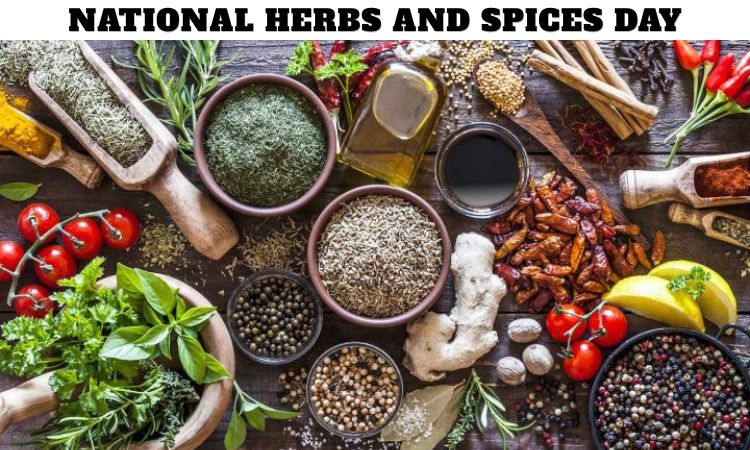
National Herbs and Spices Day is celebrated annually on June 10 to recognize the essential role that herbs and spices play in cooking, culture, history, and daily life. These natural ingredients have shaped cuisines around the world for thousands of years, transforming simple meals into flavorful culinary experiences.
The observance encourages people to appreciate the remarkable diversity of herbs and spices and their influence on global food traditions. From basil and rosemary to cinnamon and turmeric, these ingredients contribute distinctive aromas, flavors, and colors that enhance countless dishes.
National Herbs and Spices Day also highlights the historical importance of these ingredients. Throughout history, herbs and spices have been traded across continents, influenced exploration, and contributed to economic development. Some spices were once so valuable that they were considered precious commodities.
The day serves as an opportunity to learn about culinary traditions, experiment with new flavors, and recognize the cultural significance of herbs and spices. Whether used in cooking, beverages, traditional practices, or gardening, these ingredients continue to enrich everyday life.
By celebrating National Herbs and Spices Day, people gain a greater appreciation for the natural ingredients that make food more enjoyable and diverse.
What Are Herbs and Spices?
Herbs and spices are plant-based ingredients used to add flavor, aroma, and visual appeal to food and beverages. Although the terms are often used together, they refer to different parts of plants.
Herbs typically come from the leafy green portions of plants. Examples include parsley, basil, oregano, thyme, cilantro, and mint. They may be used fresh or dried and often contribute subtle, fresh flavors to dishes.
Spices generally come from other plant parts such as seeds, bark, roots, fruits, or flower buds. Examples include cinnamon, black pepper, cloves, ginger, nutmeg, and turmeric.
Both herbs and spices play important roles in culinary traditions around the world. They help define regional cuisines and contribute to the unique flavors associated with different cultures.
Their versatility makes them indispensable ingredients in kitchens everywhere, from home cooking to professional gastronomy.
What Is the History of Herbs and Spices?
The history of herbs and spices extends back thousands of years. Ancient civilizations used these ingredients not only for cooking but also for trade, preservation, medicine, and ceremonial purposes.
Evidence suggests that spices were traded across long distances as early as ancient Egypt, Mesopotamia, India, and China. Valuable spices such as cinnamon, pepper, and cloves were transported through extensive trade networks connecting different regions of the world.
During the Middle Ages, spices became highly sought after in Europe. Their rarity and demand contributed to the growth of international commerce and exploration. Traders and explorers traveled vast distances in search of new sources of valuable spices.
Herbs also played important roles in traditional practices, including cooking, gardening, and natural remedies. Many cultures cultivated herb gardens to provide fresh ingredients for everyday use.
The historical significance of herbs and spices demonstrates their influence on trade, culture, agriculture, and global interactions throughout human history.
Why Are Herbs and Spices Important in Cooking?
Herbs and spices are fundamental to cooking because they enhance flavor and add complexity to dishes. Without them, many foods would lack the distinctive tastes and aromas that make meals enjoyable.
Different herbs and spices contribute unique characteristics. Basil provides freshness, rosemary offers earthy notes, cinnamon adds warmth, and pepper introduces mild heat. These ingredients allow cooks to create a wide range of flavor profiles.
They also help balance tastes by complementing sweetness, acidity, bitterness, and savoriness. Skilled use of herbs and spices can elevate simple ingredients into memorable meals.
In addition to flavor, herbs and spices often contribute color and visual appeal. Turmeric creates vibrant golden hues, paprika adds rich red tones, and fresh herbs bring brightness to presentations.
National Herbs and Spices Day celebrates the creativity and artistry involved in using these ingredients to transform food.
How Have Herbs and Spices Shaped Global Cuisine?
The cuisines of the world are deeply connected to the herbs and spices available in different regions. These ingredients help define the unique identities of countless culinary traditions.
Mediterranean cooking often features herbs such as oregano, thyme, rosemary, and basil. South Asian cuisine is known for its extensive use of spices including turmeric, cumin, coriander, and cardamom. East Asian dishes frequently incorporate ginger, star anise, and various aromatic seasonings.
The exchange of herbs and spices through trade routes introduced new flavors to different cultures and encouraged culinary innovation. Ingredients that were once limited to specific regions gradually became available worldwide.
As a result, modern cuisine reflects centuries of cultural exchange and adaptation. Many popular dishes owe their distinctive character to carefully selected herbs and spices.
National Herbs and Spices Day highlights the important role these ingredients have played in shaping food traditions across the globe.
What Are Some Popular Herbs and Their Uses?
Many herbs are widely used in cooking due to their versatility and appealing flavors. Basil is commonly added to salads, pasta dishes, and sauces. Mint is popular in beverages, desserts, and savory recipes.
Parsley serves as both a garnish and flavoring ingredient in numerous dishes. Cilantro contributes a distinctive taste to many Latin American and Asian cuisines. Thyme and rosemary are frequently used to season roasted vegetables, meats, and soups.
Oregano is a staple in Mediterranean cooking and is often associated with pizza and pasta sauces. Dill complements seafood, pickles, and creamy dishes.
Fresh herbs provide vibrant flavors, while dried versions offer convenience and longer shelf life. Many cooks use a combination of both depending on the recipe.
The wide variety of herbs available allows endless possibilities for culinary creativity and experimentation.
What Are Some Popular Spices and Their Uses?
Spices contribute bold and distinctive flavors to foods around the world. Black pepper is one of the most commonly used seasonings and appears in countless recipes.
Cinnamon is valued for its warm sweetness and is frequently used in baked goods, beverages, and savory dishes. Turmeric provides both flavor and vibrant color in many cuisines.
Cumin contributes earthy notes to soups, stews, and spice blends. Ginger adds warmth and aromatic complexity to sweet and savory recipes. Nutmeg enhances desserts, sauces, and beverages.
Paprika offers mild sweetness or smokiness depending on the variety. Cardamom is prized for its fragrant flavor and is commonly used in desserts and beverages.
These spices help create the rich diversity of tastes that characterize global cuisine and make cooking more exciting.
How Do Herbs and Spices Support Healthy Eating?
Herbs and spices can support healthy eating by adding flavor without requiring excessive amounts of salt, sugar, or fat. Their natural flavors help make nutritious meals more appealing and enjoyable.
Many herbs and spices contain naturally occurring compounds that have been valued in traditional culinary practices for centuries. While they are primarily used for flavor, they also contribute to the diversity of plant-based ingredients in a balanced diet.
Using herbs and spices encourages people to experiment with fresh ingredients and home cooking. Preparing meals with flavorful seasonings often reduces reliance on heavily processed foods.
Herb gardens and spice collections can inspire greater interest in cooking and nutrition. Learning how to combine different flavors helps individuals create satisfying meals while exploring new culinary techniques.
National Herbs and Spices Day encourages appreciation for these ingredients as part of enjoyable and flavorful eating habits.
How Can People Celebrate National Herbs and Spices Day?
There are many ways to celebrate National Herbs and Spices Day. One of the simplest is to prepare a meal featuring fresh herbs or aromatic spices. Trying a new recipe can introduce exciting flavors and cooking techniques.
Many people use the occasion to learn about unfamiliar herbs and spices from different cultures. Exploring international cuisines can expand culinary knowledge and appreciation.
Gardening enthusiasts may plant herb gardens containing basil, parsley, mint, rosemary, or other favorites. Growing herbs at home provides a convenient source of fresh ingredients.
Cooking classes, food festivals, and educational workshops may also help people discover new ways to use herbs and spices.
Sharing recipes with family and friends is another meaningful way to celebrate. The holiday encourages creativity, learning, and enjoyment through food.
What Is the Lasting Significance of National Herbs and Spices Day?
The lasting significance of National Herbs and Spices Day lies in its recognition of ingredients that have influenced human history, culture, and cuisine for thousands of years. Herbs and spices continue to connect people through shared culinary traditions and creative expression.
The observance reminds us that food is more than nourishment. It reflects culture, history, geography, and personal experiences. Herbs and spices contribute to these connections by providing flavors that define regional identities and family traditions.
National Herbs and Spices Day also promotes curiosity and exploration. It encourages individuals to discover new ingredients, expand their cooking skills, and appreciate the diversity of global cuisine.
As culinary traditions continue to evolve, herbs and spices remain essential tools for creativity and innovation in the kitchen. Their importance transcends generations and cultures.
By celebrating National Herbs and Spices Day, people honor the remarkable ingredients that have enriched meals, inspired exploration, and brought flavor to everyday life for centuries.
Frequently Asked Questions (FAQs)
1. What is National Herbs and Spices Day?
National Herbs and Spices Day is an annual observance that celebrates the importance of herbs and spices in cooking and culture.
2. When is National Herbs and Spices Day celebrated?
It is celebrated every year on June 10.
3. What is the difference between herbs and spices?
Herbs usually come from leafy parts of plants, while spices come from seeds, roots, bark, fruits, or flower buds.
4. Why are herbs and spices important?
They add flavor, aroma, color, and variety to foods and beverages.
5. What are some common herbs?
Popular herbs include basil, parsley, mint, cilantro, oregano, rosemary, and thyme.
6. What are some common spices?
Common spices include black pepper, cinnamon, turmeric, ginger, cumin, paprika, and nutmeg.
7. How do herbs and spices influence global cuisine?
They help define regional flavors and have shaped culinary traditions worldwide.
8. How can people celebrate National Herbs and Spices Day?
People can cook with herbs and spices, try new recipes, plant herb gardens, or learn about international cuisines.
9. Have herbs and spices played a role in history?
Yes, they were valuable trade commodities and influenced exploration, commerce, and cultural exchange.
10. Why is National Herbs and Spices Day significant?
The day recognizes the cultural, culinary, and historical importance of herbs and spices around the world.