

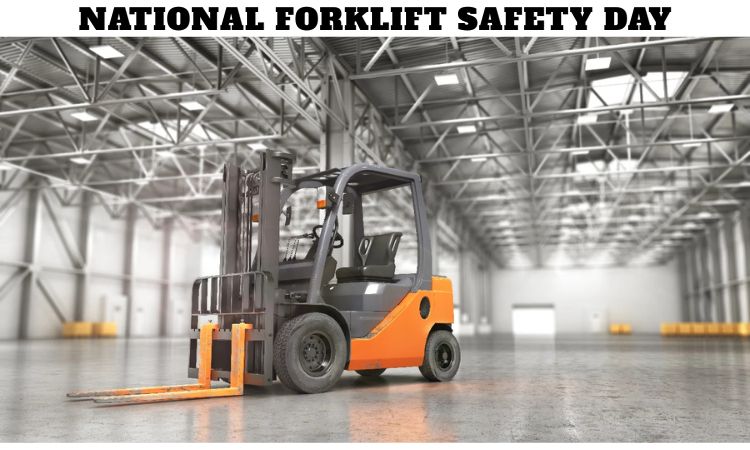
Why Is National Forklift Safety Day Celebrated on June 9?
National Forklift Safety Day is observed annually on June 9 to promote safe forklift operations, raise awareness about workplace safety, and encourage proper training for forklift operators. The day highlights the importance of reducing workplace accidents and ensuring that employees, employers, and industry professionals understand the responsibilities associated with operating powered industrial trucks.
Forklifts are essential tools in warehouses, manufacturing facilities, construction sites, distribution centers, ports, and retail operations. They help move heavy materials efficiently and play a vital role in supply chains around the world. However, when forklifts are operated improperly or without adequate training, they can pose serious safety risks.
National Forklift Safety Day serves as an opportunity to educate workers about accident prevention, proper equipment maintenance, and safe operating procedures. It also encourages employers to review workplace safety programs and reinforce best practices that protect employees and visitors.
The observance emphasizes that safety is a shared responsibility and that proactive measures can significantly reduce workplace injuries and fatalities.
What Is National Forklift Safety Day?
National Forklift Safety Day is an awareness event dedicated to promoting the safe use of forklifts and powered industrial vehicles. The observance focuses on education, training, and communication regarding workplace safety standards.
The day brings together manufacturers, safety organizations, employers, operators, and government agencies to discuss industry developments and share information about accident prevention strategies.
Through seminars, workshops, training sessions, and educational campaigns, National Forklift Safety Day encourages organizations to prioritize workplace safety and invest in employee training programs.
The observance also highlights advancements in forklift technology, safety features, and operational practices that help create safer working environments.
By focusing attention on these issues, National Forklift Safety Day contributes to ongoing efforts to reduce workplace incidents and improve occupational safety standards.
What Is the History of National Forklift Safety Day?
National Forklift Safety Day was established by industry organizations committed to promoting safe forklift operations and reducing workplace accidents. The observance was created to raise awareness about the importance of operator training, equipment maintenance, and compliance with workplace safety regulations.
As forklifts became increasingly important across various industries, the need for comprehensive safety education also grew. Workplace accidents involving forklifts highlighted the importance of proper training and operational standards.
Industry leaders recognized that awareness campaigns could help improve safety outcomes by encouraging communication among employers, operators, regulators, and equipment manufacturers.
Since its establishment, National Forklift Safety Day has become an important annual event that promotes best practices and highlights the ongoing commitment of the material handling industry to workplace safety.
The observance continues to evolve as new technologies and safety innovations emerge within the industry.
Why Are Forklifts Important in Modern Industry?
Forklifts are essential pieces of equipment used to transport, lift, stack, and move materials efficiently. They support a wide range of industries, including manufacturing, logistics, warehousing, construction, agriculture, and retail.
Without forklifts, many businesses would face significant challenges in handling heavy loads and maintaining efficient operations. These vehicles improve productivity by reducing manual labor and enabling the safe movement of large quantities of goods.
Forklifts help streamline supply chains by facilitating the loading and unloading of trucks, organizing inventory, and transporting materials within facilities.
Modern economies depend heavily on efficient logistics systems, and forklifts play a critical role in supporting those operations. Their importance makes proper safety practices even more essential.
National Forklift Safety Day recognizes the value of these machines while emphasizing the need for responsible and safe operation.
Why Is Forklift Safety So Important?
Forklift safety is important because accidents involving powered industrial trucks can result in serious injuries, property damage, and even fatalities. These incidents often affect operators, pedestrians, coworkers, and workplace infrastructure.
Common causes of forklift accidents include inadequate training, excessive speed, distracted operation, poor visibility, overloading, and improper maintenance. Many incidents can be prevented through education, planning, and adherence to safety procedures.
Safe forklift operation helps protect workers from harm while reducing business disruptions and financial losses associated with workplace accidents.
Strong safety programs also contribute to a positive workplace culture where employees feel valued and protected. Organizations that prioritize safety often experience improved morale, productivity, and regulatory compliance.
National Forklift Safety Day reinforces the message that prevention is far more effective than responding to accidents after they occur.
What Are Common Forklift Hazards?
Forklift operators encounter a variety of workplace hazards that require careful attention. One of the most common risks involves tip-over incidents, which can occur when forklifts travel too quickly, carry unstable loads, or operate on uneven surfaces.
Collisions with pedestrians represent another significant hazard. Busy workplaces often involve both vehicle and foot traffic, making awareness and communication essential.
Improper load handling can also create dangerous situations. Loads that are too heavy, poorly balanced, or inadequately secured may fall and cause injuries or property damage.
Restricted visibility, narrow aisles, blind corners, and poor lighting can increase the likelihood of accidents. Equipment failures resulting from inadequate maintenance may further contribute to workplace risks.
Recognizing these hazards is a crucial step in preventing incidents and creating safer work environments.
How Does Proper Training Improve Forklift Safety?
Training is one of the most effective ways to prevent forklift-related accidents. Well-trained operators understand how to control equipment safely, assess workplace hazards, and respond appropriately to changing conditions.
Comprehensive training programs typically include classroom instruction, practical exercises, equipment familiarization, and performance evaluations. Operators learn about vehicle controls, load handling techniques, safety inspections, and emergency procedures.
Training also helps workers understand workplace regulations and organizational safety policies. Regular refresher courses ensure that employees remain informed about evolving safety standards and operational requirements.
Proper education improves operator confidence while reducing the likelihood of unsafe behaviors. It also encourages a culture of accountability and professionalism.
National Forklift Safety Day highlights the critical role that training plays in protecting workers and promoting operational excellence.
What Safety Practices Should Forklift Operators Follow?
Forklift operators should follow established safety procedures whenever they use equipment. Conducting pre-operation inspections is an important first step. Operators should check tires, brakes, steering systems, warning devices, and other critical components before beginning work.
Maintaining appropriate speeds is essential, especially in crowded areas or near pedestrians. Operators should always remain alert and avoid distractions while driving.
Loads should be properly secured and kept within the forklift’s rated capacity. Carrying oversized or unstable loads can increase the risk of accidents.
Seat belts should be worn whenever available, and operators should remain inside the protective structure during operation. Safe driving practices, including maintaining clear visibility and using horns at intersections, contribute to accident prevention.
Following workplace traffic rules and designated pathways helps create a safer environment for everyone.
How Can Employers Promote Forklift Safety?
Employers play a central role in creating safe workplaces. Effective safety programs begin with a commitment to training, communication, and continuous improvement.
Organizations should provide comprehensive operator training and ensure that only qualified individuals operate forklifts. Regular evaluations help confirm that employees maintain safe operating practices.
Routine equipment inspections and maintenance programs reduce the likelihood of mechanical failures. Clearly marked traffic routes, warning signs, and pedestrian zones also contribute to safer facilities.
Employers should encourage employees to report hazards, near misses, and safety concerns without fear of retaliation. Open communication helps identify risks before accidents occur.
Regular safety meetings, educational workshops, and participation in National Forklift Safety Day activities reinforce the importance of workplace safety and demonstrate organizational commitment.
How Does Technology Improve Forklift Safety?
Technological advancements continue to enhance forklift safety and operational efficiency. Modern forklifts often include features designed to reduce risks and improve operator awareness.
Advanced stability systems help prevent tip-overs by monitoring vehicle conditions and adjusting performance when necessary. Collision avoidance technologies use sensors and cameras to detect obstacles and alert operators.
Telematics systems allow organizations to monitor equipment usage, maintenance schedules, and operator behavior. These tools provide valuable insights that support safety management efforts.
Improved ergonomic designs reduce operator fatigue and enhance comfort during extended work periods. Enhanced visibility features and automated warning systems further contribute to safer operations.
National Forklift Safety Day provides an opportunity to showcase these innovations and encourage the adoption of technologies that improve workplace safety.
What Is the Lasting Importance of National Forklift Safety Day?
National Forklift Safety Day serves as a powerful reminder that workplace safety requires ongoing attention, education, and collaboration. The observance highlights the importance of protecting workers, preventing accidents, and maintaining high standards of operational excellence.
By promoting awareness and encouraging continuous learning, the day helps organizations strengthen safety cultures and reduce workplace risks. It also recognizes the contributions of operators, employers, manufacturers, and safety professionals who work together to create safer environments.
As industries continue to evolve, forklift safety remains a critical priority. Advances in technology, training methods, and safety practices offer new opportunities to improve outcomes and protect employees.
National Forklift Safety Day encourages everyone involved in material handling operations to remain vigilant, prioritize safety, and support initiatives that promote responsible equipment use. Through education and commitment, workplaces can continue to reduce accidents and create environments where employees can perform their duties safely and effectively.
Frequently Asked Questions (FAQs)
1. What is National Forklift Safety Day?
National Forklift Safety Day is an annual observance dedicated to promoting forklift safety awareness, training, and accident prevention.
2. When is National Forklift Safety Day observed?
It is observed annually on June 9.
3. Why is forklift safety important?
Forklift safety helps prevent workplace injuries, fatalities, equipment damage, and operational disruptions.
4. Who participates in National Forklift Safety Day?
Employers, operators, manufacturers, safety professionals, industry organizations, and government agencies participate.
5. What are common forklift accidents?
Common accidents include tip-overs, collisions, falling loads, and pedestrian-related incidents.
6. How does training improve forklift safety?
Training teaches operators safe operating procedures, hazard recognition, equipment handling, and emergency response practices.
7. What industries use forklifts?
Forklifts are commonly used in warehousing, manufacturing, construction, logistics, agriculture, and retail sectors.
8. What should operators inspect before using a forklift?
Operators should inspect brakes, tires, steering, warning devices, hydraulics, and other safety-related components.
9. How can employers improve forklift safety?
Employers can provide training, maintain equipment, establish safety policies, and encourage hazard reporting.
10. What is the goal of National Forklift Safety Day?
The goal is to raise awareness, improve workplace safety, reduce accidents, and promote responsible forklift operation.