

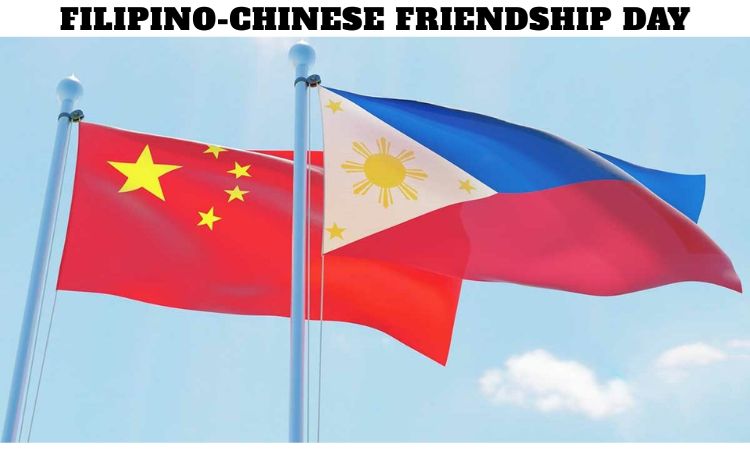
Why Is Filipino-Chinese Friendship Day Celebrated on June 9?
Filipino-Chinese Friendship Day is celebrated every year on June 9 to commemorate the longstanding relationship between the Filipino and Chinese peoples. The observance recognizes centuries of cultural exchange, economic cooperation, migration, and friendship that have contributed to the development of both communities, particularly within the Philippines.
The day highlights the importance of mutual understanding, respect, and collaboration between people of Filipino and Chinese heritage. It serves as a reminder that strong cultural and social connections can help foster peace, prosperity, and cooperation across borders.
Filipino-Chinese Friendship Day also acknowledges the significant contributions of the Chinese community to Philippine society. Over many generations, Chinese immigrants and their descendants have played important roles in commerce, education, philanthropy, culture, and public service. Their influence has become an integral part of the nation’s social and economic fabric.
As globalization continues to strengthen international connections, this observance encourages people to appreciate cultural diversity and the positive impact of intercultural relationships.
What Is the History Behind Filipino-Chinese Friendship Day?
Filipino-Chinese Friendship Day was established to commemorate the diplomatic relationship between the Philippines and China and to celebrate the deep historical ties that existed long before modern diplomatic relations were formalized.
Historical records indicate that trade and cultural exchanges between Chinese merchants and inhabitants of the Philippine archipelago occurred centuries before the arrival of European colonizers. Chinese traders visited various islands, exchanging goods, ideas, technologies, and cultural practices with local communities.
These interactions laid the foundation for enduring relationships that continued to evolve over time. Chinese settlers established communities in different parts of the Philippines, contributing to local economies and participating in social life.
June 9 was chosen to mark the anniversary of the establishment of formal diplomatic relations between the Philippines and the People’s Republic of China in 1975. The observance recognizes both the historical connections and modern partnerships that have shaped relations between the two peoples.
Today, Filipino-Chinese Friendship Day serves as an occasion to celebrate shared history and encourage continued cooperation.
How Did Chinese Influence Become Part of Philippine History?
Chinese influence in the Philippines dates back many centuries. Long before the colonial era, Chinese traders regularly visited Philippine ports to exchange goods such as silk, porcelain, tea, and other products.
These commercial relationships fostered cultural interaction and mutual understanding. Over time, some traders settled permanently, forming communities that became important centers of commerce and cultural exchange.
Chinese immigrants contributed skills, entrepreneurial knowledge, and trading networks that helped stimulate economic activity. As generations passed, many families integrated into Philippine society while preserving aspects of their cultural heritage.
The blending of Chinese and Filipino traditions resulted in unique cultural practices that continue to shape modern Philippine life. Today, Chinese influences can be seen in cuisine, language, festivals, business practices, and family traditions throughout the country.
Filipino-Chinese Friendship Day recognizes this shared history and the positive contributions that emerged from centuries of interaction.
Why Is the Filipino-Chinese Community Important in the Philippines?
The Filipino-Chinese community has played a significant role in the development of the Philippines. Members of the community have contributed to business, education, healthcare, philanthropy, politics, arts, and numerous other fields.
Many successful enterprises in the Philippines were established by Chinese immigrants and their descendants. These businesses have created employment opportunities, supported economic growth, and contributed to national development.
Beyond economic contributions, Filipino-Chinese families have been active in charitable and educational initiatives. Many have supported schools, scholarships, healthcare institutions, and community development projects that benefit society as a whole.
The community’s influence extends into cultural life as well. Filipino-Chinese traditions have enriched the nation’s multicultural identity, demonstrating how diverse backgrounds can contribute to a vibrant and inclusive society.
Filipino-Chinese Friendship Day provides an opportunity to recognize these achievements and celebrate the community’s enduring impact.
What Cultural Traditions Connect Filipinos and Chinese Communities?
One of the most fascinating aspects of Filipino-Chinese relations is the blending of cultural traditions. Over generations, customs from both cultures have influenced each other, creating unique practices that reflect shared heritage.
Family values represent an important area of connection. Both Filipino and Chinese cultures place strong emphasis on respect for elders, family unity, and intergenerational support.
Festivals and celebrations often incorporate elements from both traditions. Chinese New Year, for example, is widely celebrated in many parts of the Philippines and attracts participants from diverse backgrounds.
Food is another significant cultural bridge. Many popular dishes enjoyed throughout the Philippines have Chinese influences or origins. Noodles, dumplings, and various cooking techniques have become integrated into local culinary traditions.
These shared customs demonstrate how cultural exchange can enrich societies while preserving the unique identities of different communities.
How Do the Philippines and China Cooperate Today?
Modern relations between the Philippines and China involve cooperation across a wide range of sectors. Trade, tourism, education, cultural exchange, and investment continue to play important roles in the relationship.
Economic partnerships contribute to commerce and development opportunities. Businesses from both countries engage in trade and investment activities that support economic growth and job creation.
Educational exchanges allow students, researchers, and academic institutions to collaborate and share knowledge. These programs promote cross-cultural understanding and professional development.
Tourism also strengthens people-to-people connections. Travelers have opportunities to experience each other’s cultures, traditions, and historical landmarks, fostering greater appreciation and understanding.
While international relationships can face challenges, Filipino-Chinese Friendship Day emphasizes the importance of dialogue, cooperation, and mutual respect in building constructive partnerships.
How Is Filipino-Chinese Friendship Day Celebrated?
Filipino-Chinese Friendship Day is celebrated through various cultural, educational, and community activities. Government agencies, educational institutions, community organizations, and cultural groups often organize events that highlight the shared heritage of both communities.
Cultural performances featuring traditional music, dance, and artistic presentations are common aspects of the celebration. These events showcase the rich traditions that have developed through centuries of cultural exchange.
Educational programs may include lectures, exhibitions, and discussions about history, diplomacy, and intercultural understanding. These activities help participants learn about the historical connections between Filipinos and Chinese communities.
Community gatherings and cultural festivals provide opportunities for people to celebrate diversity and strengthen social bonds. Food fairs featuring traditional Filipino and Chinese cuisine are also popular attractions.
The observance encourages reflection on the value of friendship and cooperation while promoting greater awareness of shared cultural heritage.
What Role Does Cultural Exchange Play in Friendship Between Nations?
Cultural exchange serves as one of the most effective ways to strengthen relationships between nations and communities. Through shared experiences, people gain a deeper understanding of different perspectives, traditions, and values.
Educational programs, artistic collaborations, tourism, and cultural festivals all contribute to building connections across cultural boundaries. These interactions help reduce misunderstandings and promote mutual respect.
For Filipinos and Chinese communities, cultural exchange has played a significant role for centuries. The sharing of ideas, traditions, foods, languages, and customs has enriched both cultures and strengthened interpersonal relationships.
Filipino-Chinese Friendship Day highlights the importance of continuing these exchanges as a means of fostering cooperation and harmony in an increasingly interconnected world.
Why Is Friendship Between Cultures Important?
Friendship between cultures promotes tolerance, understanding, and peaceful coexistence. In diverse societies, positive intercultural relationships help create inclusive communities where people from different backgrounds can thrive together.
Learning about other cultures encourages empathy and broadens perspectives. It allows individuals to appreciate both similarities and differences while recognizing shared human values.
Economic and social cooperation often becomes stronger when cultural understanding is present. Trust and mutual respect create opportunities for collaboration that benefit communities and nations alike.
The history of Filipino-Chinese relations demonstrates how cultural interaction can contribute to prosperity, innovation, and social development. By celebrating friendship and cooperation, communities can build stronger foundations for future generations.
Filipino-Chinese Friendship Day serves as a reminder that diversity can be a source of strength rather than division.
What Is the Lasting Significance of Filipino-Chinese Friendship Day?
The lasting significance of Filipino-Chinese Friendship Day lies in its celebration of historical connections, cultural diversity, and international friendship. The observance honors centuries of interaction that have shaped communities, economies, and cultural traditions.
The day encourages people to reflect on the value of cooperation and mutual respect in building strong relationships. It recognizes the contributions of the Filipino-Chinese community while promoting greater understanding among different cultural groups.
As societies continue to become more interconnected, the principles represented by Filipino-Chinese Friendship Day remain highly relevant. Respect for diversity, appreciation of shared heritage, and commitment to peaceful cooperation are essential for creating inclusive and prosperous communities.
By celebrating this observance each year, people acknowledge the importance of cultural exchange and reaffirm their commitment to friendship, understanding, and collaboration. Filipino-Chinese Friendship Day stands as a meaningful reminder that strong relationships built on trust and respect can contribute to a better future for everyone.
Frequently Asked Questions (FAQs)
1. What is Filipino-Chinese Friendship Day?
Filipino-Chinese Friendship Day is an annual observance that celebrates the friendship, cultural ties, and historical relationship between Filipinos and Chinese communities.
2. When is Filipino-Chinese Friendship Day celebrated?
It is celebrated every year on June 9.
3. Why is June 9 significant?
June 9 marks the anniversary of the establishment of formal diplomatic relations between the Philippines and China in 1975.
4. What is the purpose of Filipino-Chinese Friendship Day?
The day promotes cultural understanding, friendship, cooperation, and appreciation of shared history.
5. How long have Chinese and Filipino communities been connected?
Their connections date back centuries through trade, migration, and cultural exchange.
6. How has the Filipino-Chinese community contributed to the Philippines?
The community has contributed significantly to business, education, culture, philanthropy, and economic development.
7. How is Filipino-Chinese Friendship Day celebrated?
Celebrations often include cultural events, educational programs, exhibitions, performances, and community gatherings.
8. What cultural influences have Chinese communities brought to the Philippines?
Influences can be seen in cuisine, traditions, commerce, language, and various cultural practices.
9. Why is cultural exchange important?
Cultural exchange promotes understanding, respect, cooperation, and stronger relationships between communities.
10. What is the main message of Filipino-Chinese Friendship Day?
The observance emphasizes friendship, mutual respect, cultural appreciation, and peaceful cooperation.