

What Is International Tabletop Day and Why Is It Celebrated on June 6?
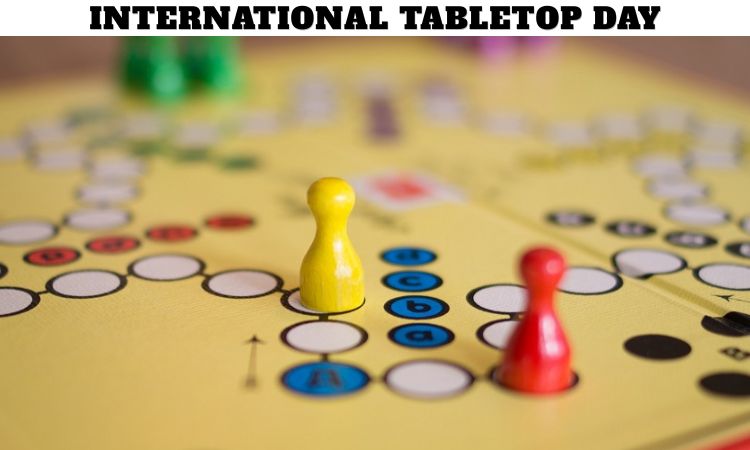
International Tabletop Day, celebrated annually on June 6, is a global event dedicated to the enjoyment of tabletop gaming and the communities that bring these games to life. The day encourages people of all ages to gather around tables and enjoy board games, card games, role-playing games, strategy games, miniature games, and other tabletop experiences.
Unlike many forms of digital entertainment, tabletop games provide face-to-face interaction, social engagement, and opportunities for meaningful communication. International Tabletop Day recognizes the unique value of these experiences and encourages individuals, families, friends, schools, and gaming groups to connect through shared play.
The celebration highlights the creativity, strategy, storytelling, and teamwork that tabletop gaming promotes. It serves as a reminder that games can bring people together, strengthen relationships, and create lasting memories regardless of age or background.
How Did International Tabletop Day Begin?
International Tabletop Day was established to celebrate the growing popularity of tabletop gaming around the world. As board games and role-playing games experienced a resurgence in popularity during the twenty-first century, gaming enthusiasts sought a dedicated day to recognize the hobby and encourage participation.
The event quickly gained international attention as gaming stores, libraries, schools, community centers, and gaming clubs organized activities designed to introduce new players to tabletop games. What began as a celebration among dedicated gamers soon evolved into a worldwide event that welcomes people of all skill levels.
The success of International Tabletop Day reflects the enduring appeal of gathering around a table to enjoy friendly competition, collaborative storytelling, and strategic challenges.
Why Are Tabletop Games Important in Modern Society?
Tabletop games remain important because they offer experiences that differ significantly from many modern forms of entertainment. While technology has transformed how people communicate and spend their leisure time, tabletop games continue to provide direct social interaction and shared experiences.
Playing games together encourages conversation, teamwork, problem-solving, and healthy competition. These interactions help strengthen relationships and create opportunities for people to connect in meaningful ways.
Tabletop games also bring individuals from different generations together. Parents, children, grandparents, and friends can all participate regardless of technological expertise. This accessibility makes tabletop gaming a valuable activity for building community and fostering social engagement.
International Tabletop Day celebrates these benefits and encourages people to rediscover the joy of gathering around a table with others.
What Types of Games Are Included in Tabletop Gaming?
Tabletop gaming encompasses a wide variety of game types, each offering unique experiences and challenges.
Board games are among the most recognizable forms of tabletop gaming. These games involve game boards, pieces, cards, and rules that guide player interactions.
Card games range from traditional playing card games to modern strategy-based card systems that require planning and tactical decision-making.
Role-playing games allow participants to assume fictional characters and collaborate in storytelling adventures guided by rules and imagination.
Miniature games involve detailed figures and strategic gameplay that often simulate battles, campaigns, or historical events.
Party games focus on social interaction, humor, creativity, and group participation, making them popular choices for gatherings and celebrations.
The diversity of tabletop games ensures that players can find experiences suited to their interests, skill levels, and preferred styles of play.
How Do Tabletop Games Encourage Social Interaction?
One of the greatest strengths of tabletop gaming is its ability to bring people together. Unlike many solitary activities, tabletop games require players to engage directly with one another.
Participants communicate, negotiate, strategize, cooperate, and compete throughout the gaming experience. These interactions help build friendships and improve communication skills while creating opportunities for shared enjoyment.
Tabletop games often encourage teamwork and collaboration. Players may work together to solve challenges, complete missions, or achieve common objectives. Even competitive games foster positive social interaction through friendly rivalry and mutual respect.
International Tabletop Day emphasizes these social benefits by encouraging people to gather and enjoy games in person whenever possible.
Why Are Tabletop Games Beneficial for Learning and Development?
Tabletop games offer numerous educational and developmental benefits. Many games require critical thinking, strategic planning, resource management, and decision-making skills.
Players frequently analyze situations, evaluate options, and adapt their strategies based on changing circumstances. These activities help develop problem-solving abilities and encourage logical thinking.
Certain games introduce concepts related to mathematics, history, geography, language, economics, and science. Educational tabletop games can make learning more engaging and interactive.
Role-playing games promote creativity, storytelling, communication, and imagination. Cooperative games encourage teamwork and leadership skills.
Children and adults alike can benefit from the cognitive challenges presented by tabletop games, making them valuable tools for both entertainment and personal development.
How Has Tabletop Gaming Evolved Over the Years?
Tabletop gaming has evolved significantly throughout history. Ancient civilizations played board games that reflected their cultures, traditions, and values. Over time, game designers introduced increasingly complex mechanics and themes.
The modern tabletop gaming industry has experienced substantial growth due to innovative game design, crowdfunding platforms, and expanding global communities. Contemporary games explore a wide variety of subjects, including fantasy, science fiction, history, economics, exploration, and mystery.
Advances in production quality have also enhanced the gaming experience. Detailed artwork, high-quality components, immersive storytelling, and creative mechanics have attracted new audiences to the hobby.
Despite these innovations, the core appeal of tabletop gaming remains unchanged: bringing people together to share enjoyable experiences around a table.
How Do People Celebrate International Tabletop Day?
People celebrate International Tabletop Day in many different ways. Gaming groups often organize special events where participants can learn new games, meet fellow enthusiasts, and participate in tournaments.
Local game stores frequently host demonstrations, competitions, and open gaming sessions that welcome both experienced players and newcomers. Libraries and community centers may organize family-friendly events designed to introduce tabletop gaming to broader audiences.
Many families celebrate by setting aside time to play favorite board games together. Friends may gather for game nights featuring a variety of tabletop experiences ranging from quick party games to lengthy strategy sessions.
Schools and educational organizations sometimes incorporate tabletop games into learning activities, demonstrating how games can support critical thinking and collaboration.
What Are Some Popular Tabletop Games Played Around the World?
Tabletop gaming includes countless popular titles enjoyed by millions of players worldwide. Traditional board games continue to attract enthusiasts due to their timeless appeal and accessibility.
Modern strategy games challenge players to manage resources, plan tactics, and compete for objectives. Cooperative games require participants to work together against shared challenges rather than competing against each other.
Role-playing games remain highly popular because they combine storytelling, creativity, and adventure. Card-based tabletop games offer strategic depth while remaining portable and easy to learn.
Party games encourage laughter, communication, and group participation, making them ideal for social gatherings. The wide range of available games ensures that there is something suitable for every interest and age group.
What Are Some Interesting Facts About Tabletop Gaming?
Tabletop gaming has a rich history filled with fascinating facts.
Some of the earliest known board games date back thousands of years and were played by ancient civilizations.
The global tabletop gaming industry has experienced remarkable growth in recent decades as more people discover the hobby.
Thousands of new tabletop games are released annually, covering virtually every theme imaginable.
Many tabletop games have inspired books, films, video games, and other forms of entertainment.
Role-playing games have contributed significantly to modern storytelling and game design.
Gaming conventions attract large numbers of enthusiasts who gather to play games, learn new strategies, and meet designers.
The enduring popularity of tabletop games demonstrates their universal appeal across cultures and generations.
How Can Families Make International Tabletop Day Memorable?
Families can make International Tabletop Day memorable by organizing dedicated game sessions that include participants of all ages. Selecting games that encourage teamwork and interaction helps ensure everyone feels included.
Creating a game-themed evening with snacks, friendly competitions, and prizes can add excitement to the celebration. Family members may also explore new games together and learn different strategies.
Parents can use tabletop games as opportunities to teach problem-solving, patience, communication, and cooperation. The shared experiences created through gaming often become cherished family memories.
By setting aside time for play and connection, families can strengthen relationships while enjoying the benefits of tabletop gaming.
Why Does International Tabletop Day Continue to Grow in Popularity?
International Tabletop Day continues to grow because tabletop games provide something increasingly valuable in today’s world: meaningful human connection. As digital communication becomes more common, many people appreciate opportunities to interact face-to-face and share experiences with others.
The diversity of available games ensures that players can find options suited to their interests and skill levels. From casual family games to complex strategic challenges, tabletop gaming offers something for everyone.
The hobby’s emphasis on creativity, communication, learning, and social interaction contributes to its lasting appeal. International Tabletop Day celebrates these qualities while encouraging people worldwide to gather around a table and enjoy the timeless pleasure of playing games together.
Frequently Asked Questions (FAQs)
1. When is International Tabletop Day celebrated?
International Tabletop Day is celebrated annually on June 6.
2. What is International Tabletop Day?
It is a global celebration dedicated to tabletop gaming and the communities that enjoy board games, card games, and role-playing games.
3. What types of games are included in tabletop gaming?
Board games, card games, role-playing games, miniature games, and party games are all part of tabletop gaming.
4. Why is International Tabletop Day important?
It promotes social interaction, creativity, learning, and community engagement through gaming.
5. Who can participate in International Tabletop Day?
People of all ages and experience levels can participate.
6. How do people celebrate International Tabletop Day?
They celebrate by playing games with friends and family, attending gaming events, and exploring new tabletop games.
7. Are tabletop games educational?
Many tabletop games help develop critical thinking, communication, strategy, and problem-solving skills.
8. Can children participate in tabletop gaming?
Yes, there are many tabletop games specifically designed for children and families.
9. What are the benefits of tabletop gaming?
Benefits include social interaction, cognitive development, teamwork, creativity, and entertainment.
10. Why are tabletop games still popular today?
They provide engaging face-to-face experiences that foster connection, learning, and enjoyment.