

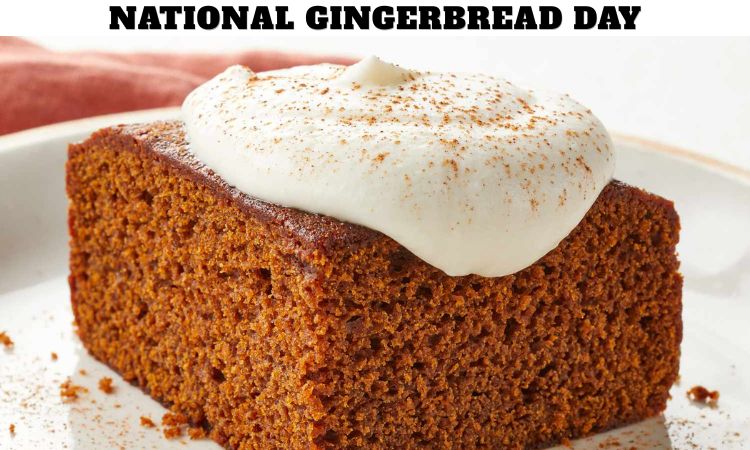
What Is National Gingerbread Day and Why Is It Celebrated on June 5?
National Gingerbread Day is celebrated annually on June 5 and honors one of the world’s most beloved baked treats. Gingerbread has been enjoyed for centuries and remains a symbol of tradition, comfort, creativity, and culinary craftsmanship. While many people associate gingerbread with holiday festivities and decorated gingerbread houses, this special day recognizes the rich history and enduring popularity of gingerbread in all its forms.
National Gingerbread Day provides an opportunity for baking enthusiasts, families, and food lovers to appreciate the unique flavor created by combining ginger with sweet ingredients such as molasses, honey, or brown sugar. Whether enjoyed as cookies, cakes, biscuits, or decorative creations, gingerbread continues to hold a special place in kitchens around the world.
The celebration encourages people to explore traditional recipes, learn about the origins of gingerbread, and share homemade treats with family and friends. It is a day dedicated to honoring a dessert that has stood the test of time and continues to delight generations.
How Did Gingerbread Originate?
The history of gingerbread stretches back hundreds of years and reflects the influence of trade, culture, and culinary innovation. Ginger itself originated in Southeast Asia and gradually spread to Europe through ancient trade routes. As spices became more accessible, bakers began incorporating ginger into various baked goods.
Early forms of gingerbread appeared in Europe during the Middle Ages. Monks and skilled bakers created recipes using breadcrumbs, honey, and spices. Over time, these recipes evolved into the gingerbread we recognize today.
By the sixteenth century, gingerbread had become particularly popular in England and other parts of Europe. Bakers developed elaborate molds and decorative techniques that transformed gingerbread into both a delicious treat and an artistic expression. Gingerbread was often shaped into animals, people, flowers, and intricate designs that reflected local traditions and celebrations.
Why Has Gingerbread Remained Popular for Centuries?
Gingerbread has remained popular because of its distinctive flavor, versatility, and cultural significance. The combination of warm spices creates a comforting taste that appeals to people across generations.
Unlike many desserts that come and go with changing trends, gingerbread has maintained its place in culinary traditions due to its adaptability. It can be soft or crisp, simple or elaborate, and suitable for everyday enjoyment or special occasions.
Its connection to historical celebrations, family gatherings, and seasonal traditions also contributes to its enduring appeal. Many people associate gingerbread with cherished memories, making it more than just a baked good. It represents comfort, creativity, and a connection to the past.
What Ingredients Give Gingerbread Its Unique Flavor?
The characteristic flavor of gingerbread comes from a carefully balanced combination of ingredients. Ginger serves as the primary spice, providing warmth and a slightly spicy taste that distinguishes gingerbread from other baked goods.
Molasses is another key ingredient, contributing rich sweetness, moisture, and a deep brown color. Brown sugar, honey, or syrup may also be used to enhance flavor and texture.
Additional spices often include cinnamon, cloves, nutmeg, allspice, and cardamom. These ingredients work together to create the complex and aromatic flavor profile that makes gingerbread instantly recognizable.
Flour, butter, eggs, and leavening agents complete the recipe, resulting in a variety of textures ranging from soft cakes to crisp cookies.
How Did Gingerbread Become Associated with Celebrations and Festivals?
Throughout history, gingerbread has been closely linked to celebrations and festivals. During medieval fairs in Europe, gingerbread was sold as a special treat and often shaped into decorative figures. These edible creations became popular souvenirs and gifts.
Royal courts also embraced gingerbread as a symbol of luxury and craftsmanship. Skilled bakers created elaborate designs that showcased their artistic talents and reflected important cultural events.
Over time, gingerbread became associated with holidays, weddings, fairs, and family gatherings. The tradition of decorating gingerbread evolved into a beloved activity that continues to bring people together today.
National Gingerbread Day celebrates these traditions while encouraging modern generations to appreciate the artistry and heritage behind this timeless dessert.
What Is the Story Behind Gingerbread Houses?
One of the most famous gingerbread traditions is the creation of gingerbread houses. These edible structures became especially popular after the publication of the fairy tale “Hansel and Gretel” by the Brothers Grimm.
The story’s depiction of a candy-covered house inspired bakers to construct decorative gingerbread homes adorned with icing, candies, and colorful decorations. Over time, gingerbread house building evolved into a cherished tradition in many households.
Today, gingerbread house competitions showcase extraordinary creativity and engineering skills. Some builders spend months designing elaborate structures that resemble castles, landmarks, villages, and architectural masterpieces.
The popularity of gingerbread houses demonstrates how baking can combine culinary skill with artistic expression.
Why Is National Gingerbread Day Important Today?
National Gingerbread Day remains important because it celebrates culinary heritage, family traditions, and creativity. In an age of rapidly changing food trends, gingerbread continues to connect people with recipes and customs that have been passed down through generations.
The observance encourages individuals to explore historical baking techniques, learn about cultural traditions, and appreciate the craftsmanship involved in creating gingerbread treats.
The day also supports local bakeries, pastry chefs, and home bakers who keep gingerbread traditions alive through innovative recipes and decorative designs.
By celebrating National Gingerbread Day, people honor a dessert that represents history, culture, and the joy of sharing food with others.
How Do People Celebrate National Gingerbread Day?
People celebrate National Gingerbread Day in many enjoyable ways. Baking homemade gingerbread cookies, cakes, and biscuits is one of the most common activities associated with the holiday.
Families often gather in the kitchen to prepare traditional recipes and decorate gingerbread creations together. This hands-on experience provides opportunities for creativity, learning, and quality time.
Many bakeries and cafes feature special gingerbread-inspired menu items on June 5. Food enthusiasts may visit local establishments to sample unique interpretations of classic recipes.
Others celebrate by exploring the history of gingerbread, sharing recipes with friends, or hosting baking competitions. Social gatherings centered around gingerbread treats help foster community and appreciation for this beloved dessert.
What Are Some Interesting Facts About Gingerbread?
Gingerbread has a fascinating history filled with remarkable facts.
Ancient civilizations valued ginger both as a culinary ingredient and for its perceived medicinal properties.
Queen Elizabeth I is often credited with popularizing decorated gingerbread figures shaped like important guests and dignitaries.
Some of the world’s largest gingerbread houses have measured thousands of square feet and required enormous quantities of ingredients.
Gingerbread recipes vary significantly across countries, resulting in unique regional styles and flavors.
Certain European cities became famous for their gingerbread production and continue to maintain centuries-old baking traditions.
The popularity of gingerbread extends far beyond holiday celebrations, making it a year-round favorite in many cultures.
How Can Families Make National Gingerbread Day Memorable?
Families can create lasting memories by turning National Gingerbread Day into a special event. Baking together allows children and adults to learn valuable cooking skills while enjoying a fun and rewarding activity.
Decorating gingerbread cookies with colorful icing, candies, and edible decorations encourages creativity and self-expression. Hosting a friendly decorating contest can add excitement to the celebration.
Families may also explore historical recipes, read stories related to gingerbread traditions, or visit local bakeries to discover new flavors and techniques.
Sharing homemade gingerbread with neighbors, friends, and community members reflects the spirit of generosity and hospitality that has long been associated with baking traditions.
Why Does Gingerbread Continue to Be Loved Around the World?
Gingerbread continues to be loved because it offers a unique combination of flavor, history, and tradition. Its warm spices create a comforting experience that appeals to people of all ages, while its versatility allows bakers to continually reinvent classic recipes.
The dessert’s deep cultural roots connect modern generations to centuries of culinary heritage. Whether enjoyed as a simple cookie, an elaborate cake, or a decorative gingerbread house, gingerbread represents creativity, celebration, and togetherness.
National Gingerbread Day reminds us that some traditions remain meaningful regardless of changing times. By honoring gingerbread on June 5, people celebrate not only a delicious treat but also the stories, memories, and craftsmanship that have made it a cherished part of global food culture for generations.
Frequently Asked Questions (FAQs)
1. When is National Gingerbread Day celebrated?
National Gingerbread Day is celebrated annually on June 5.
2. What is gingerbread made from?
Gingerbread is commonly made using flour, ginger, molasses, sugar, butter, eggs, and various spices.
3. Why is gingerbread called gingerbread?
The name comes from ginger, which is the primary spice used in the recipe.
4. Where did gingerbread originate?
Gingerbread traces its origins to Europe during the Middle Ages, influenced by spices brought through trade routes.
5. What is the purpose of National Gingerbread Day?
The day celebrates the history, traditions, and popularity of gingerbread around the world.
6. Are gingerbread houses edible?
Yes, gingerbread houses are generally edible, although many are created primarily for decoration.
7. What spices are commonly used in gingerbread?
Common spices include ginger, cinnamon, cloves, nutmeg, and allspice.
8. Can gingerbread be enjoyed year-round?
Yes, although often associated with holidays, gingerbread can be enjoyed throughout the year.
9. How do people celebrate National Gingerbread Day?
People celebrate by baking gingerbread treats, decorating cookies, learning about gingerbread history, and sharing recipes.
10. Why is gingerbread so popular?
Its unique flavor, rich history, versatility, and connection to family traditions contribute to its popularity.