

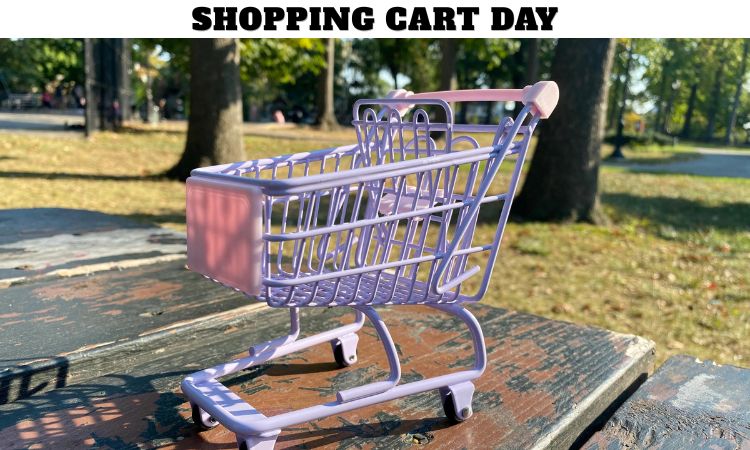
Shopping Cart Day, celebrated annually on June 4, honors one of the most important inventions in modern retail history—the shopping cart. While it may seem like a simple tool, the shopping cart transformed the way people shop by making it easier to carry and purchase larger quantities of goods. From supermarkets and department stores to warehouse retailers, shopping carts have become an essential part of the customer experience.
This observance recognizes the innovation behind the shopping cart and its impact on consumers, retailers, and the global shopping industry. It also offers an opportunity to reflect on how shopping habits have evolved over the years and how a simple invention changed the retail landscape forever.
What Is Shopping Cart Day?
Shopping Cart Day is an annual observance held on June 4 to celebrate the shopping cart and its contribution to retail convenience. The day acknowledges the role shopping carts play in helping customers transport products while shopping and improving the efficiency of retail stores.
Although many people use shopping carts without giving them much thought, they represent a significant advancement in consumer convenience. Before shopping carts were introduced, shoppers relied on handheld baskets or made multiple trips to purchase goods.
Shopping Cart Day highlights the importance of innovation in everyday life and reminds us that even simple inventions can have a lasting impact on society.
Why Is the Shopping Cart Considered an Important Invention?
The shopping cart revolutionized the retail experience by allowing customers to carry more items comfortably while shopping. Prior to its invention, consumers were limited by the weight and size of the items they could carry in baskets.
With shopping carts, shoppers could browse stores for longer periods and purchase larger quantities of products. This not only benefited customers but also increased sales opportunities for retailers.
The invention improved store efficiency, encouraged larger purchases, and contributed to the growth of supermarkets and large retail chains. Today, it is difficult to imagine grocery stores or department stores operating without shopping carts.
Who Invented the Shopping Cart?
The shopping cart was invented by Sylvan Goldman in 1937. Goldman owned a grocery store chain and sought a solution to help customers carry more products while shopping.
His design was inspired by a folding chair with baskets attached to it. The initial concept evolved into a wheeled cart that allowed shoppers to move products through the store with ease.
Although the first shopping carts were not immediately popular, continued improvements and customer education helped increase their acceptance. Over time, the shopping cart became a standard feature in retail stores around the world.
How Did Shopping Change Before and After the Shopping Cart?
Before shopping carts were introduced, customers often used handheld baskets that limited the number of products they could carry. As baskets became heavier, shoppers typically ended their shopping trips sooner.
The introduction of shopping carts transformed this experience. Customers could move comfortably through stores while carrying larger amounts of merchandise. This encouraged longer shopping visits and increased purchasing capacity.
Retailers also adapted store layouts to accommodate shopping carts, creating wider aisles and larger displays. These changes helped shape the modern supermarket and department store experience that consumers enjoy today.
Why Do Retailers Depend on Shopping Carts?
Shopping carts are an essential tool for retailers because they improve customer convenience and support sales growth. Customers are more likely to continue shopping when they have an easy way to transport products throughout the store.
Retailers benefit from increased purchasing volume because shoppers can add more items to their carts without worrying about carrying them. Shopping carts also contribute to a smoother customer experience by reducing physical strain.
Many retailers invest in durable, well-designed carts because they directly influence customer satisfaction. Comfortable and easy-to-use carts help create a more enjoyable shopping environment.
How Have Shopping Carts Evolved Over Time?
Shopping carts have undergone significant changes since their introduction in the 1930s. Early models consisted of simple metal frames designed to hold baskets. Modern carts are more durable, lightweight, and user-friendly.
Many carts now include child seating areas, cup holders, and ergonomic handles. Some retailers have introduced smart carts equipped with digital screens, barcode scanners, and self-checkout capabilities.
Technology continues to influence shopping cart design as stores seek ways to improve efficiency and customer convenience. The future may bring even more advanced carts that integrate artificial intelligence and personalized shopping features.
What Role Do Shopping Carts Play in Consumer Convenience?
Convenience is one of the primary reasons shopping carts remain an essential retail tool. They allow customers to shop comfortably without carrying heavy items by hand.
Shopping carts make it easier to compare products, browse different sections of a store, and manage larger purchases. Families, elderly shoppers, and individuals buying bulk items particularly benefit from the convenience carts provide.
The ability to move products effortlessly throughout a store has become such a standard expectation that most consumers rarely consider how challenging shopping would be without carts.
How Can Businesses Celebrate Shopping Cart Day?
Businesses can celebrate Shopping Cart Day by recognizing the role shopping carts play in their daily operations. Retailers may use the occasion to educate customers about the history of shopping carts and their impact on retail.
Stores can organize promotional events, offer shopping discounts, or create social media campaigns highlighting interesting facts about shopping carts. Some businesses may even conduct shopping cart decorating contests or customer appreciation events.
The day can also serve as an opportunity for retailers to inspect and maintain their cart fleets to ensure a positive customer experience.
How Can Consumers Participate in Shopping Cart Day?
Consumers can celebrate Shopping Cart Day in several ways. Learning about the history of the shopping cart is one way to appreciate the innovation behind this everyday tool.
Many people choose to visit local stores and reflect on how shopping carts simplify their shopping experiences. Others share interesting facts about shopping carts on social media or discuss retail innovations with friends and family.
Consumers can also support retailers by practicing good shopping cart etiquette, such as returning carts to designated areas after use. Small actions like these help maintain a pleasant shopping environment for everyone.
Why Is Shopping Cart Etiquette Important?
Shopping cart etiquette plays a crucial role in creating a safe and organized shopping experience. Properly returning carts after use helps prevent parking lot congestion and reduces safety hazards.
Abandoned carts can block parking spaces, damage vehicles, and create inconvenience for other shoppers. Returning carts to designated collection points demonstrates consideration for both store employees and fellow customers.
Teaching children about responsible shopping cart use can also promote respect for shared public spaces. Shopping Cart Day serves as a reminder that good shopping habits contribute to a better experience for everyone.
What Can Shopping Cart Day Teach Us About Innovation?
Shopping Cart Day highlights how simple innovations can transform industries and improve everyday life. The shopping cart solved a practical problem and ultimately changed consumer behavior, retail operations, and store design.
Many of the world’s most impactful inventions are not necessarily the most complex. Instead, they address common challenges in effective and practical ways. The shopping cart is a perfect example of how thoughtful innovation can create lasting benefits for millions of people.
By recognizing the history and significance of the shopping cart, we gain a greater appreciation for the creative thinking that drives progress. Shopping Cart Day reminds us that even ordinary objects can have extraordinary stories behind them.
Frequently Asked Questions (FAQs)
1. When is Shopping Cart Day celebrated?
Shopping Cart Day is celebrated annually on June 4.
2. What is Shopping Cart Day?
It is a day dedicated to recognizing the shopping cart and its impact on retail and consumer convenience.
3. Who invented the shopping cart?
Sylvan Goldman invented the shopping cart in 1937.
4. Why was the shopping cart invented?
It was created to help shoppers carry more items comfortably while shopping.
5. How did shopping carts change retail stores?
They encouraged larger purchases, improved customer convenience, and influenced modern store layouts.
6. Are shopping carts still important today?
Yes, shopping carts remain essential for customer convenience and retail operations.
7. How can businesses celebrate Shopping Cart Day?
Businesses can organize promotions, share historical information, and conduct customer appreciation activities.
8. What is shopping cart etiquette?
It includes using carts responsibly and returning them to designated collection areas after shopping.
9. How have shopping carts evolved over time?
Modern carts feature improved designs, child seats, ergonomic handles, and even smart technology.
10. Why is Shopping Cart Day significant?
The day recognizes an invention that transformed shopping and continues to improve retail experiences worldwide.