

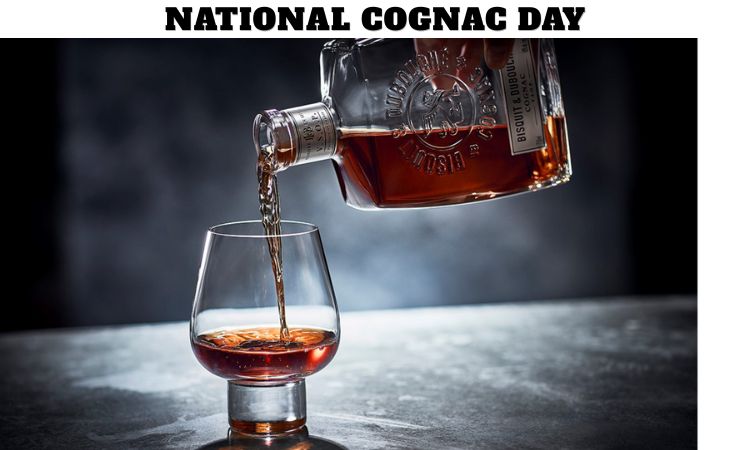
What Is National Cognac Day and Why Is It Celebrated?
National Cognac Day, celebrated annually on June 4, honors one of the world’s most distinguished and refined spirits: cognac. Known for its rich history, exceptional craftsmanship, and sophisticated flavor profile, cognac has earned a special place in global culture and the beverage industry. This annual observance provides an opportunity for enthusiasts, collectors, producers, and curious newcomers to appreciate the heritage and artistry behind this iconic French spirit.
National Cognac Day is not merely a celebration of a beverage. It is a recognition of centuries-old traditions, meticulous production methods, and the cultural significance of a product that has become synonymous with luxury and elegance. The day encourages people to learn about cognac’s origins, understand its production process, and appreciate the expertise required to create every bottle.
Across restaurants, tasting rooms, social gatherings, and educational events, people commemorate National Cognac Day by exploring different cognac varieties, learning about its history, and enjoying it responsibly.
How Did Cognac Originate in France?
The story of cognac begins in the Cognac region of southwestern France. During the Middle Ages, the area became an important center for wine production and trade. Local winemakers exported wine to various European markets, but transporting wine over long distances often presented challenges related to preservation and quality.
To address these issues, producers began distilling wine into a more concentrated spirit. This distilled product was easier to transport and could later be diluted if necessary. Over time, merchants and producers discovered that storing the spirit in oak barrels improved its flavor, aroma, and complexity.
This accidental discovery transformed the distilled wine into what we now recognize as cognac. The aging process gave the spirit unique characteristics that made it highly desirable. As demand increased, producers refined their methods and established standards that continue to define cognac production today.
What Makes Cognac Different from Other Brandies?
Although all cognac is brandy, not all brandy qualifies as cognac. Cognac is protected by strict regulations that govern where and how it is produced.
To be officially recognized as cognac, the spirit must be produced within a designated region of France surrounding the town of Cognac. It must also follow specific production requirements established by French law.
The grapes used for cognac production primarily include Ugni Blanc, which is valued for its acidity and suitability for distillation. The wine undergoes a double-distillation process in traditional copper pot stills before being aged in French oak barrels for a minimum period.
These stringent standards ensure consistent quality and preserve the unique identity of cognac. The result is a spirit renowned for its depth, smoothness, and complexity.
Why Is Cognac Considered a Luxury Spirit?
Cognac’s reputation as a luxury spirit stems from the time, expertise, and craftsmanship involved in its creation. Unlike many alcoholic beverages that can be produced relatively quickly, cognac requires years of aging before it reaches maturity.
Master blenders carefully oversee every stage of production, from grape selection and distillation to barrel aging and blending. Some cognacs contain eaux-de-vie that have aged for decades, contributing remarkable depth and sophistication.
The limited production area, strict regulations, and lengthy maturation process add to its exclusivity. Premium and rare cognacs often command high prices due to their scarcity and exceptional quality.
Over the centuries, cognac has become associated with celebration, refinement, and prestige, making it a favored choice for special occasions and collectors.
How Is Cognac Produced?
The production of cognac involves several carefully controlled stages that contribute to its distinctive character.
The process begins with harvesting grapes from vineyards within the designated Cognac region. These grapes are fermented into wine, which is intentionally low in alcohol and high in acidity.
The wine is then distilled twice in traditional copper pot stills. This double-distillation process concentrates flavors and creates a clear spirit known as eau-de-vie.
Following distillation, the spirit is transferred into French oak barrels, where it begins the aging process. During aging, the cognac develops color, aroma, and complexity while interacting with the wood.
Master blenders eventually combine different aged eaux-de-vie to create a balanced and consistent final product. This blending process requires extensive experience and skill, making it one of the most respected aspects of cognac production.
What Are the Different Types of Cognac?
Cognac is categorized according to the age of the youngest eau-de-vie used in the blend. These classifications help consumers understand the maturity and characteristics of the spirit.
- VS (Very Special) indicates that the youngest component has been aged for at least two years.
- VSOP (Very Superior Old Pale) requires a minimum aging period of four years.
- XO (Extra Old) must contain eaux-de-vie aged for at least ten years under current regulations.
Additional classifications include premium and specialty blends that may contain significantly older spirits. These aged cognacs often display greater complexity, smoother textures, and more developed flavor profiles.
Each category offers a unique tasting experience, allowing enthusiasts to explore a wide range of aromas and characteristics.
Why Has Cognac Influenced Global Culture?
Cognac has played a significant role in shaping cultural traditions around the world. For centuries, it has been enjoyed by royalty, political leaders, artists, and business figures.
Its influence extends beyond fine dining and luxury hospitality. Cognac has become a prominent symbol in music, fashion, entertainment, and popular culture. References to cognac frequently appear in literature, films, and songs, reinforcing its image as a sophisticated and aspirational beverage.
The spirit’s international appeal has helped establish it as one of France’s most recognizable exports. Today, cognac is enjoyed in countries across Europe, North America, Asia, and beyond, reflecting its enduring global popularity.
How Can People Celebrate National Cognac Day?
National Cognac Day offers numerous ways to appreciate this historic spirit responsibly.
Many enthusiasts celebrate by attending guided tastings that explore different cognac styles and age classifications. These events provide valuable insights into production techniques, flavor profiles, and blending traditions.
Other popular ways to celebrate include:
- Learning about cognac history
- Exploring various cognac categories
- Visiting cognac-focused establishments
- Pairing cognac with gourmet foods
- Hosting educational tasting sessions
- Studying traditional production methods
- Supporting authentic cognac producers
- Sharing knowledge with friends and family
The emphasis is often placed on appreciation, education, and responsible enjoyment rather than consumption alone.
What Flavors and Aromas Are Found in Cognac?
One of the most fascinating aspects of cognac is its complex sensory profile. Depending on age, origin, and blending techniques, cognac can exhibit a remarkable range of aromas and flavors.
Younger cognacs often display notes of fresh fruit, citrus, flowers, and grapes. As cognac ages, additional layers emerge, including vanilla, caramel, oak, dried fruits, spices, nuts, and chocolate.
Older cognacs may reveal exceptionally intricate characteristics developed through decades of maturation. The interaction between the spirit and oak barrels contributes significantly to these evolving flavors.
This complexity makes cognac a favorite among connoisseurs who appreciate nuanced tasting experiences.
Why Does National Cognac Day Remain Relevant Today?
National Cognac Day continues to attract attention because it celebrates a product that represents tradition, quality, and craftsmanship in an increasingly fast-paced world. Consumers today often seek authentic experiences and products with rich histories, making cognac particularly appealing.
The day also highlights the importance of preserving traditional production methods while introducing new generations to a spirit with centuries of heritage. Educational events and cultural celebrations help maintain awareness of cognac’s significance and encourage responsible appreciation.
As interest in premium beverages continues to grow, National Cognac Day serves as a valuable opportunity to recognize one of the world’s most respected spirits.
What Can We Learn from the Legacy of Cognac?
The history of cognac demonstrates the enduring value of patience, expertise, and dedication to quality. Every bottle represents years of cultivation, distillation, aging, and blending carried out by skilled professionals committed to excellence.
National Cognac Day reminds us that some of the world’s most celebrated products are the result of tradition combined with innovation. The legacy of cognac reflects centuries of craftsmanship that continue to influence global beverage culture.
By understanding its origins and appreciating its complexity, we gain a deeper respect for the people and processes behind this extraordinary spirit.
National Cognac Day on June 4 celebrates the rich heritage, craftsmanship, and cultural significance of cognac. From its origins in southwestern France to its status as a globally recognized luxury spirit, cognac has earned admiration through centuries of careful production and refinement.
The occasion provides an opportunity to learn about its history, explore its diverse styles, and recognize the expertise involved in every stage of its creation. Whether through education, tasting experiences, or cultural appreciation, National Cognac Day honors a spirit that continues to symbolize excellence, tradition, and sophistication around the world.
Frequently Asked Questions (FAQs)
1. When is National Cognac Day celebrated?
National Cognac Day is celebrated annually on June 4.
2. What is cognac?
Cognac is a type of brandy produced in the Cognac region of France following strict production regulations.
3. Why is cognac different from regular brandy?
Cognac must be produced in a specific region of France and follow legally defined production standards.
4. What grapes are commonly used to make cognac?
Ugni Blanc is the primary grape variety used in cognac production.
5. What does VS mean on a cognac label?
VS stands for Very Special and indicates the youngest spirit in the blend has aged for at least two years.
6. What does VSOP mean in cognac classification?
VSOP stands for Very Superior Old Pale and requires a minimum aging period of four years.
7. What does XO mean on a cognac bottle?
XO stands for Extra Old and contains eaux-de-vie aged for at least ten years.
8. How is cognac traditionally aged?
Cognac is aged in French oak barrels, which contribute flavor, aroma, and color.
9. Why is cognac considered a luxury product?
Its strict production standards, lengthy aging process, and expert craftsmanship contribute to its premium status.
10. How can people celebrate National Cognac Day?
People can celebrate by learning about cognac history, attending tastings, exploring different varieties, and appreciating its cultural heritage responsibly.