

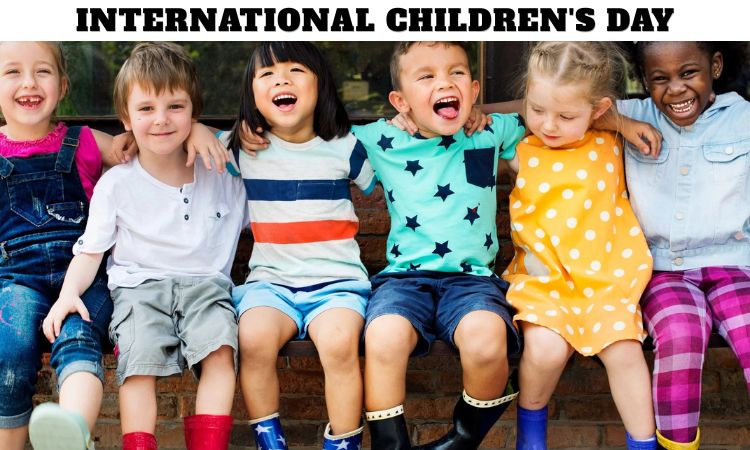
Why Is International Children’s Day Celebrated on June 1?
International Children’s Day is celebrated annually on June 1 to recognize the importance of children in society and to promote their rights, welfare, education, health, and overall development. The day serves as a reminder that children are the foundation of the future and deserve opportunities to grow in safe, supportive, and nurturing environments.
Observed in many countries around the world, International Children’s Day highlights the need to protect children from poverty, discrimination, violence, exploitation, and neglect. It encourages governments, educational institutions, families, and communities to work together to ensure that every child has access to the resources and opportunities needed to reach their full potential.
The celebration is not only about recognizing children but also about acknowledging society’s responsibility to safeguard their well-being. Through awareness campaigns, educational activities, cultural events, and family gatherings, International Children’s Day promotes a vision of a world where all children can thrive.
As the future leaders, innovators, educators, artists, and citizens of tomorrow, children play a vital role in shaping society. June 1 provides an opportunity to celebrate their achievements, nurture their talents, and advocate for their rights.
What Is the History of International Children’s Day?
The origins of International Children’s Day can be traced back to efforts aimed at promoting children’s welfare and protecting their rights worldwide. Following periods of global conflict and social change during the twentieth century, many nations recognized the importance of addressing issues affecting children and improving their quality of life.
The concept of a dedicated day for children gained international support as governments and organizations sought ways to raise awareness about children’s needs and rights. June 1 gradually became associated with children’s celebrations in numerous countries, particularly across Europe, Asia, and other regions.
Over time, the observance evolved into an important occasion focused on education, healthcare, protection, equality, and child development. International Children’s Day continues to serve as a platform for discussing challenges facing children while celebrating their contributions to families and communities.
Today, the observance is recognized globally as an opportunity to promote policies and initiatives that improve the lives of children everywhere.
Why Are Children’s Rights Important?
Children’s rights are fundamental because they ensure that every child is treated with dignity, respect, and fairness. These rights include access to education, healthcare, nutrition, protection from abuse, freedom of expression, and opportunities for personal development.
Children are among the most vulnerable members of society and often depend on adults for support, guidance, and protection. Ensuring their rights helps create conditions where they can grow physically, emotionally, intellectually, and socially.
When children’s rights are respected, they are more likely to succeed in school, develop healthy relationships, and contribute positively to society. Protecting these rights also promotes equality and helps reduce barriers that prevent children from reaching their full potential.
International Children’s Day serves as an important reminder that every child deserves a safe and supportive environment in which to learn, grow, and thrive.
How Does Education Shape the Future of Children?
Education is one of the most powerful tools for empowering children and creating opportunities for future success. Through education, children gain knowledge, critical thinking skills, creativity, confidence, and the ability to participate meaningfully in society.
Quality education helps children develop the skills needed to pursue careers, solve problems, and make informed decisions throughout their lives. It also promotes social inclusion, economic opportunity, and personal growth.
Schools provide more than academic instruction. They create environments where children learn cooperation, communication, leadership, and responsibility. These experiences contribute to the development of well-rounded individuals capable of making positive contributions to their communities.
International Children’s Day highlights the importance of ensuring access to quality education for every child, regardless of background, location, or economic circumstances.
Why Is Child Health a Global Priority?
Good health is essential for children’s growth, development, and overall well-being. Healthy children are better able to learn, participate in activities, build relationships, and achieve their goals.
Access to healthcare, nutritious food, clean water, sanitation, and preventive services plays a critical role in supporting child health. Early interventions and regular medical care help address health concerns before they become serious problems.
Investing in child health benefits not only individual children but also families, communities, and nations. Healthy children are more likely to become productive adults who contribute positively to society and economic development.
International Children’s Day encourages awareness of the importance of healthcare and emphasizes the need to ensure that all children have access to essential health services and resources.
How Do Families Influence Child Development?
Families play a central role in shaping children’s lives. They provide love, support, guidance, and stability during critical stages of development. Positive family relationships contribute to emotional well-being, confidence, and resilience.
Parents and caregivers help children learn values, communication skills, problem-solving abilities, and social behaviors that influence future success. Strong family support can enhance academic achievement, emotional health, and personal growth.
Children who grow up in nurturing environments are often better equipped to overcome challenges and adapt to changing circumstances. Family involvement in education, health, and community activities further strengthens children’s development.
International Children’s Day recognizes the important contributions families make in raising happy, healthy, and successful children.
What Challenges Do Children Face Around the World?
Despite significant progress in many areas, children around the world continue to face numerous challenges. Poverty, limited access to education, inadequate healthcare, malnutrition, discrimination, conflict, and environmental issues affect millions of young people.
Some children encounter barriers that limit their opportunities and hinder their development. Others may face situations that threaten their safety, health, or emotional well-being.
Addressing these challenges requires cooperation among governments, international organizations, communities, educators, healthcare providers, and families. Effective policies and programs can help create better conditions for children and ensure they have the support they need to succeed.
International Children’s Day provides an opportunity to raise awareness about these issues and encourage actions that improve children’s lives globally.
How Is International Children’s Day Celebrated Around the World?
International Children’s Day is celebrated in a variety of ways depending on local traditions, cultures, and community interests. Schools often organize special programs, performances, educational activities, and recreational events designed to engage and inspire children.
Communities may host festivals, sports competitions, art exhibitions, cultural performances, and family gatherings. These events allow children to showcase their talents while enjoying opportunities for learning and social interaction.
Many organizations use the day to promote awareness about children’s rights, education, health, and protection. Public campaigns, workshops, and charitable initiatives often focus on supporting vulnerable children and addressing important social issues.
Families frequently celebrate by spending quality time together, participating in activities, and recognizing the achievements and potential of their children.
These diverse celebrations reflect a shared commitment to supporting children’s well-being and happiness.
Why Is Play Important for Children?
Play is an essential part of childhood and contributes significantly to healthy development. Through play, children explore their surroundings, develop creativity, strengthen social skills, and learn how to solve problems.
Physical activities support motor development and overall fitness, while imaginative play encourages innovation, communication, and emotional expression. Play also helps children build friendships, develop confidence, and manage stress.
Educational research consistently highlights the value of play in supporting cognitive, emotional, and social growth. Opportunities for recreation and creative exploration allow children to develop skills that benefit them throughout life.
International Children’s Day emphasizes the importance of providing children with safe spaces and opportunities to play, learn, and grow in supportive environments.
How Can Society Create a Better Future for Children?
Creating a better future for children requires collective effort and long-term commitment. Governments can implement policies that support education, healthcare, child protection, and equal opportunities. Communities can create safe environments where children feel valued and supported.
Educational institutions can foster inclusive learning experiences that encourage creativity, critical thinking, and personal development. Families can provide love, guidance, and encouragement that help children build confidence and resilience.
Businesses, nonprofit organizations, and community leaders can also contribute by supporting programs that improve children’s lives and expand access to essential resources.
Investing in children today creates stronger communities and more prosperous societies in the future. Every effort to support children’s well-being contributes to positive outcomes that extend across generations.
Why Does International Children’s Day Continue to Matter Today?
International Children’s Day remains relevant because children continue to be at the center of global development and social progress. The observance serves as a reminder that every child deserves opportunities to learn, grow, and succeed regardless of their circumstances.
The day encourages individuals and organizations to reflect on the progress made in advancing children’s rights while recognizing areas where further improvement is needed. It promotes awareness, inspires action, and strengthens commitment to creating a world that values and protects children.
As societies evolve and new challenges emerge, the need to prioritize children’s welfare remains constant. International Children’s Day highlights the importance of investing in future generations and ensuring that all children have the chance to reach their full potential.
Every June 1, people around the world come together to celebrate childhood, honor children’s achievements, and advocate for a future where every child can live with dignity, opportunity, safety, and hope.
Frequently Asked Questions (FAQs)
1. What is International Children’s Day?
International Children’s Day is an annual observance dedicated to celebrating children and promoting their rights, welfare, and development.
2. When is International Children’s Day celebrated?
It is celebrated every year on June 1 in many countries around the world.
3. Why is International Children’s Day important?
The day raises awareness about children’s rights, education, health, safety, and well-being.
4. Who celebrates International Children’s Day?
Children, families, schools, communities, governments, and organizations participate in celebrations.
5. What are children’s rights?
Children’s rights include access to education, healthcare, protection, equality, and opportunities for development.
6. How is International Children’s Day celebrated?
Celebrations include school events, festivals, cultural programs, sports activities, educational campaigns, and family gatherings.
7. Why is education important for children?
Education helps children develop knowledge, skills, confidence, and opportunities for future success.
8. What role do families play in child development?
Families provide support, guidance, care, and stability that help children grow and thrive.
9. What challenges do children face globally?
Challenges include poverty, limited education, inadequate healthcare, discrimination, and lack of protection.
10. How can people support children on International Children’s Day?
People can support children through education, advocacy, volunteering, donations, and promoting child-friendly communities.