

Why Do We Celebrate National Macaroon Day on May 31?
Every year on May 31, dessert lovers across the United States celebrate National Macaroon Day, a special occasion dedicated to one of the most delightful and distinctive cookies in the world. Known for their rich texture, sweet flavor, and coconut-filled goodness, macaroons have earned a cherished place in bakeries, family kitchens, and holiday traditions for generations.
National Macaroon Day provides an opportunity to appreciate the fascinating history, cultural significance, and irresistible taste of this classic confection. Whether enjoyed plain, dipped in chocolate, flavored with vanilla, or infused with modern ingredients, macaroons continue to captivate dessert enthusiasts of all ages.
Unlike many modern desserts that come and go with changing trends, macaroons have maintained their popularity for centuries. Their simple ingredients and satisfying texture make them a timeless favorite that deserves recognition on its own special day.
What Is a Macaroon?
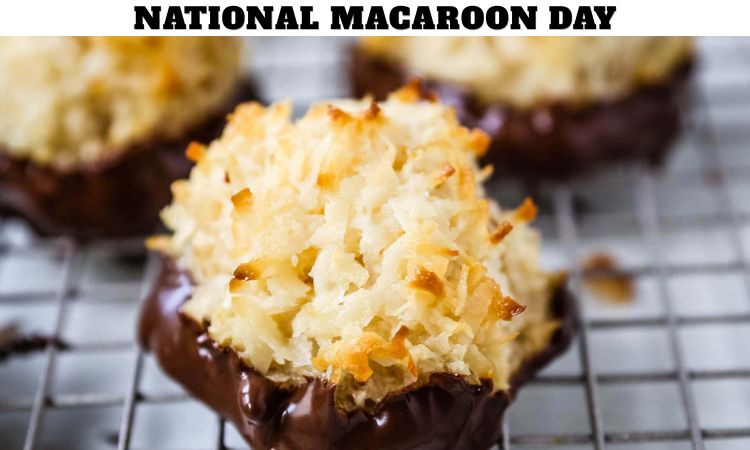
A macaroon is a sweet cookie traditionally made from coconut, egg whites, and sugar. The result is a chewy, moist, and flavorful dessert that offers a unique contrast between its crisp outer layer and soft interior.
Many people confuse macaroons with macarons, but the two are entirely different desserts. While French macarons are delicate sandwich cookies made from almond flour and filled with creams or ganaches, macaroons are denser cookies typically centered around shredded coconut.
The classic coconut macaroon remains the most recognized version, although countless variations have emerged over the years. Bakers frequently experiment with ingredients such as chocolate, almonds, citrus zest, caramel, and even coffee to create exciting new flavor combinations.
How Did Macaroons Originate?
The history of macaroons dates back several centuries and spans multiple countries. Historians generally trace the dessert’s origins to Italy, where early versions were created using ground almonds, sugar, and egg whites.
The name “macaroon” is believed to derive from the Italian word “maccarone” or “ammaccare,” which refers to crushing or grinding ingredients. As recipes spread throughout Europe, they evolved according to local tastes and available ingredients.
French bakers refined almond-based versions, while Jewish communities adopted coconut macaroons because they contained no leavening agents and could be consumed during Passover. Over time, coconut became the defining ingredient in many macaroon recipes, especially in North America.
Today, macaroons are recognized globally and continue to evolve through regional adaptations and creative baking innovations.
Why Is National Macaroon Day Celebrated?
National Macaroon Day honors the enduring popularity of this beloved dessert while encouraging people to enjoy and share macaroons with family and friends.
Food holidays often serve as reminders of culinary traditions that have shaped cultural identities and family memories. National Macaroon Day highlights the importance of preserving classic recipes while embracing modern interpretations.
The celebration also provides bakeries, cafés, and home bakers with an opportunity to showcase their creativity through unique macaroon flavors, decorative presentations, and special promotions.
For many dessert enthusiasts, the day is simply an excuse to indulge in a favorite sweet treat without guilt.
What Makes Macaroons So Popular?
Macaroons possess several characteristics that contribute to their widespread appeal.
First, their ingredient list is remarkably simple. Most traditional recipes require only a handful of ingredients, making them accessible to bakers of all skill levels.
Second, their texture creates an enjoyable eating experience. The combination of a slightly crisp exterior and chewy center distinguishes macaroons from many other cookies.
Third, macaroons are highly versatile. They can be adapted to accommodate various flavors, dietary preferences, and festive occasions.
Finally, their naturally gluten-free nature has increased their popularity among individuals seeking alternative dessert options without sacrificing taste or texture.
How Are Traditional Macaroons Made?
Traditional macaroons begin with shredded coconut combined with sweetened condensed milk, sugar, and whipped egg whites. The mixture is carefully folded together and shaped into small mounds before baking.
During baking, the exterior develops a golden-brown color while the interior remains moist and tender. Once cooled, many bakers enhance the cookies by dipping their bottoms in melted chocolate or drizzling chocolate across the top.
The simplicity of the preparation process contributes significantly to the dessert’s enduring popularity among home bakers.
Although recipes vary slightly, the essential goal remains the same: creating a cookie that balances sweetness, chewiness, and rich coconut flavor.
Which Macaroon Flavors Are Most Popular?
While classic coconut remains the most beloved variety, numerous flavors have gained popularity over time.
Chocolate-dipped macaroons offer a luxurious combination of rich cocoa and sweet coconut. Vanilla macaroons provide a subtle and comforting flavor profile that appeals to traditionalists.
Almond macaroons pay tribute to the dessert’s historical roots, while lemon macaroons introduce refreshing citrus notes. Coffee-flavored macaroons have become favorites among espresso enthusiasts.
Modern bakers also create innovative versions featuring pistachio, raspberry, salted caramel, peanut butter, and dark chocolate. Seasonal ingredients often inspire limited-edition flavors during holidays and special events.
How Do Different Cultures Enjoy Macaroons?
Macaroons hold cultural significance in various communities worldwide.
In Jewish culinary traditions, coconut macaroons are especially popular during Passover because they meet dietary requirements that prohibit certain leavened foods.
European countries maintain their own unique interpretations of almond-based macaroons, often incorporating regional ingredients and baking techniques.
In the United States, macaroons have become a staple dessert found in bakeries, grocery stores, holiday cookie trays, and homemade dessert collections.
Their adaptability has allowed them to transcend cultural boundaries while maintaining their distinctive identity.
What Are Some Fun Facts About Macaroons?
Macaroons have accumulated numerous interesting facts throughout their long history.
One fascinating detail is that the original macaroon recipes were made primarily with almonds rather than coconut.
Macaroons are naturally gluten-free when prepared with traditional ingredients, making them suitable for many dietary preferences.
The dessert became particularly popular in North America during the late nineteenth and early twentieth centuries as coconut became more readily available.
Chocolate-covered macaroons rank among the most frequently purchased bakery variations today.
Some gourmet bakeries create oversized macaroons that weigh several times more than traditional cookies, transforming them into impressive specialty desserts.
How Can We Celebrate National Macaroon Day?
There are countless ways to participate in National Macaroon Day celebrations.
Baking homemade macaroons remains one of the most rewarding activities. Families can experiment with flavors, shapes, and decorative toppings while creating lasting memories.
Supporting local bakeries is another excellent way to celebrate. Many establishments offer specialty macaroon selections or limited-time flavors for the occasion.
Hosting a dessert tasting event allows participants to compare different macaroon varieties and discover new favorites.
Sharing macaroons with coworkers, friends, neighbors, or family members spreads the joy associated with this delicious holiday.
Social media enthusiasts often commemorate the day by posting photographs, recipes, and baking tips related to their favorite macaroon creations.
Why Does National Macaroon Day Continue to Grow in Popularity?
National Macaroon Day continues to attract attention because it celebrates a dessert that successfully combines tradition, simplicity, and versatility.
Modern consumers increasingly appreciate foods with rich histories and authentic origins. Macaroons satisfy this interest while remaining accessible and enjoyable.
The growing popularity of home baking has also contributed to renewed enthusiasm for classic desserts such as macaroons. Their straightforward preparation process encourages both beginners and experienced bakers to participate.
As culinary trends evolve, macaroons continue adapting to contemporary tastes without losing the characteristics that made them beloved in the first place.
On May 31, National Macaroon Day reminds us that some desserts never go out of style. Their rich history, delightful flavor, and endless versatility ensure that macaroons will remain a cherished treat for generations to come.
Frequently Asked Questions (FAQs)
1. When is National Macaroon Day celebrated?
National Macaroon Day is celebrated annually on May 31.
2. What is a macaroon?
A macaroon is a sweet cookie typically made with coconut, egg whites, and sugar.
3. Are macaroons and macarons the same?
No. Macaroons are coconut-based cookies, while macarons are French sandwich cookies made with almond flour.
4. Where did macaroons originate?
Macaroons originated from early Italian almond-based cookie recipes that later evolved across Europe.
5. Why are macaroons popular during Passover?
Traditional coconut macaroons do not contain leavening agents, making them suitable for Passover observance.
6. Are macaroons gluten-free?
Most traditional macaroons are naturally gluten-free, though ingredient labels should always be checked.
7. What are common macaroon flavors?
Popular flavors include coconut, chocolate, vanilla, almond, lemon, coffee, and caramel.
8. How can I celebrate National Macaroon Day?
You can bake macaroons, visit a bakery, host a tasting event, or share macaroons with friends and family.
9. Can macaroons be dipped in chocolate?
Yes. Chocolate-dipped macaroons are among the most popular variations.
10. Why is National Macaroon Day important?
The day celebrates the history, popularity, and cultural significance of one of the world’s most beloved cookies.