

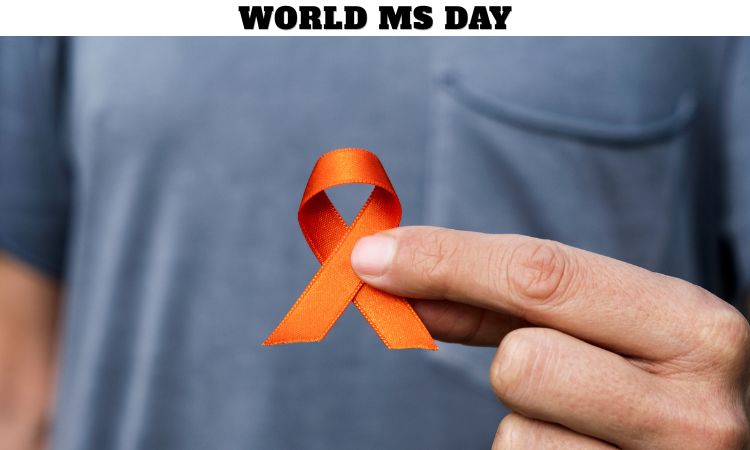
What Is World MS Day and Why Is It Observed on May 30?
World MS Day, observed every year on May 30, is a global awareness campaign dedicated to increasing understanding of Multiple Sclerosis (MS), supporting individuals living with the condition, and promoting research aimed at improving diagnosis, treatment, and quality of life. The observance unites patients, families, healthcare professionals, researchers, advocacy organizations, and communities around the world.
Multiple sclerosis is a chronic neurological condition that affects the central nervous system, including the brain and spinal cord. Because symptoms can vary widely from person to person, many individuals face unique challenges in their daily lives. World MS Day helps increase public awareness while encouraging compassion, inclusion, and support for those affected by the condition.
The day also provides an opportunity to address misconceptions about MS, share personal stories, and advocate for better healthcare access and ongoing scientific research. Through awareness campaigns, educational events, and community initiatives, World MS Day helps strengthen global efforts to improve understanding and support.
The observance serves as a reminder that millions of people worldwide are living with MS and that collective action can help create a more informed and supportive society.
What Is Multiple Sclerosis?
Multiple sclerosis, often referred to as MS, is a long-term condition that affects the central nervous system. The disease occurs when the immune system mistakenly attacks the protective covering surrounding nerve fibers, known as myelin.
Damage to myelin disrupts communication between the brain and other parts of the body. As a result, individuals with MS may experience a variety of neurological symptoms that can affect movement, sensation, vision, balance, and cognitive function.
The severity and progression of MS vary significantly among individuals. Some people experience mild symptoms and long periods of stability, while others may face more noticeable physical or neurological challenges over time.
World MS Day helps educate the public about the nature of multiple sclerosis and the importance of supporting those who live with the condition every day.
What Are the Common Symptoms of Multiple Sclerosis?
MS symptoms vary widely depending on which areas of the nervous system are affected. Common symptoms may include fatigue, muscle weakness, numbness, tingling sensations, balance difficulties, vision problems, and coordination challenges.
Some individuals experience episodes of symptoms followed by periods of recovery, while others may notice gradual progression over time. Cognitive changes such as difficulties with memory, concentration, or information processing can also occur in some cases.
Because symptoms differ greatly among individuals, diagnosing MS can sometimes be complex. Not everyone experiences the same challenges, and the condition may affect people differently throughout their lives.
World MS Day promotes awareness of these diverse experiences and encourages understanding that MS is often an invisible condition with symptoms that are not always obvious to others.
Who Can Develop Multiple Sclerosis?
Multiple sclerosis can affect people of different ages, genders, and backgrounds. Although it is commonly diagnosed in young adults, particularly between the ages of 20 and 40, the condition can occur at other ages as well.
Researchers continue studying factors that may contribute to MS development, including genetic influences, environmental factors, immune system responses, and geographic patterns. While the exact cause remains unknown, scientific understanding of the condition continues to improve.
MS affects millions of people worldwide and occurs in many countries and populations. Increased awareness and early recognition of symptoms can help individuals seek appropriate medical evaluation and support.
World MS Day highlights the importance of education and awareness so that people understand the condition and its widespread impact.
How Is Multiple Sclerosis Diagnosed?
Diagnosing MS involves a comprehensive medical evaluation conducted by healthcare professionals. Because symptoms can resemble those of other neurological conditions, diagnosis often requires multiple assessments and tests.
Medical history reviews, neurological examinations, imaging studies such as magnetic resonance imaging (MRI), and other diagnostic procedures may be used to evaluate nervous system changes associated with MS.
Healthcare providers aim to identify evidence of damage occurring in different parts of the central nervous system over time. Accurate diagnosis is important because it helps guide treatment decisions and long-term management strategies.
World MS Day emphasizes the importance of timely diagnosis and access to appropriate healthcare resources that support individuals throughout their journey.
What Treatment Options Are Available for MS?
Although there is currently no universal cure for multiple sclerosis, various treatment approaches can help manage symptoms, reduce disease activity, and improve quality of life. Treatment plans are individualized based on a person’s specific needs and medical circumstances.
Healthcare professionals may recommend medications designed to modify disease activity, manage symptoms, or address relapses. Physical therapy, occupational therapy, rehabilitation services, and lifestyle adjustments can also play important roles in comprehensive care.
Supportive care often includes strategies to improve mobility, energy management, emotional well-being, and overall independence. Advances in medical research continue to expand treatment possibilities and improve outcomes for many individuals living with MS.
World MS Day highlights ongoing scientific progress and the importance of continued investment in research and healthcare innovation.
How Does Multiple Sclerosis Affect Daily Life?
The impact of MS on daily life varies significantly depending on symptoms, disease progression, and individual circumstances. Some people continue working, studying, and participating in activities with minimal limitations, while others may require adjustments and support.
Fatigue is one of the most commonly reported challenges and can affect productivity, social participation, and daily routines. Mobility changes, vision difficulties, and cognitive symptoms may also influence daily activities.
Emotional and psychological challenges can arise as individuals adapt to life with a chronic condition. Family members, caregivers, healthcare professionals, and support networks often play important roles in helping people navigate these challenges.
World MS Day encourages greater awareness of the diverse experiences of people living with MS and promotes understanding within workplaces, schools, and communities.
Why Is Awareness Important for Multiple Sclerosis?
Awareness is important because many people have limited knowledge of MS and may not understand its symptoms or challenges. Increased public understanding helps reduce stigma, encourage empathy, and improve support for individuals affected by the condition.
Awareness campaigns also help people recognize potential symptoms and seek medical advice when appropriate. Earlier diagnosis and intervention may contribute to better long-term management and access to supportive resources.
Public awareness can also influence healthcare policies, research funding, and advocacy efforts aimed at improving services and support systems for the MS community.
World MS Day plays a critical role in spreading accurate information and fostering a more inclusive environment for individuals living with multiple sclerosis.
How Is World MS Day Celebrated Around the World?
World MS Day is observed through awareness campaigns, educational seminars, fundraising events, community gatherings, advocacy initiatives, and digital outreach programs. Organizations, healthcare institutions, and support groups often coordinate activities designed to inform the public and support those affected by MS.
People share personal stories to increase understanding of life with the condition and to inspire others facing similar challenges. Educational resources are distributed to improve public knowledge about symptoms, diagnosis, treatment, and support options.
Many landmarks, buildings, and community organizations participate in awareness activities that highlight the global impact of MS. Social campaigns help connect individuals from different countries and encourage international collaboration.
World MS Day demonstrates the power of collective action in promoting awareness, support, and progress.
What Role Does Research Play in the Future of MS Care?
Research plays a vital role in improving the understanding, diagnosis, treatment, and management of multiple sclerosis. Scientists around the world continue investigating the biological mechanisms that contribute to the disease.
Advances in medical research have already led to significant improvements in treatment options and disease management strategies. Ongoing studies focus on improving outcomes, developing new therapies, and ultimately finding ways to prevent or cure the condition.
Research also helps healthcare providers better understand symptom management, rehabilitation approaches, and quality-of-life improvements for individuals living with MS.
World MS Day emphasizes the importance of supporting scientific research and encouraging collaboration among researchers, healthcare professionals, advocacy organizations, and patients.
Why Does World MS Day Continue to Matter Today?
World MS Day remains important because multiple sclerosis continues to affect millions of people worldwide. Despite significant medical progress, many individuals still face challenges related to diagnosis, healthcare access, social inclusion, and long-term support.
The observance provides a global platform for education, advocacy, and community engagement. It encourages conversations that reduce misunderstandings and strengthen support networks for individuals and families affected by MS.
World MS Day also highlights the resilience and determination of those living with the condition while celebrating scientific advancements that continue improving care and treatment options.
By raising awareness and promoting understanding, World MS Day contributes to a future where individuals with MS receive the support, respect, and opportunities they deserve.
Frequently Asked Questions (FAQs)
1. When is World MS Day observed?
World MS Day is observed every year on May 30.
2. What does MS stand for?
MS stands for Multiple Sclerosis, a chronic condition affecting the central nervous system.
3. What is the purpose of World MS Day?
The day raises awareness, supports people living with MS, and promotes research and advocacy efforts.
4. What part of the body does MS affect?
MS affects the central nervous system, including the brain and spinal cord.
5. What are common symptoms of MS?
Common symptoms include fatigue, vision problems, numbness, balance difficulties, and muscle weakness.
6. Is there a cure for multiple sclerosis?
Currently, there is no universal cure, but treatments can help manage symptoms and disease activity.
7. How is MS diagnosed?
Diagnosis may involve neurological examinations, MRI scans, medical history reviews, and other assessments.
8. Why is awareness about MS important?
Awareness helps reduce stigma, improve understanding, and support early diagnosis and treatment.
9. How do people observe World MS Day?
People participate in awareness campaigns, educational events, fundraising activities, and advocacy programs.
10. Why is research important for MS?
Research helps improve treatments, understand disease mechanisms, and work toward better future outcomes.