

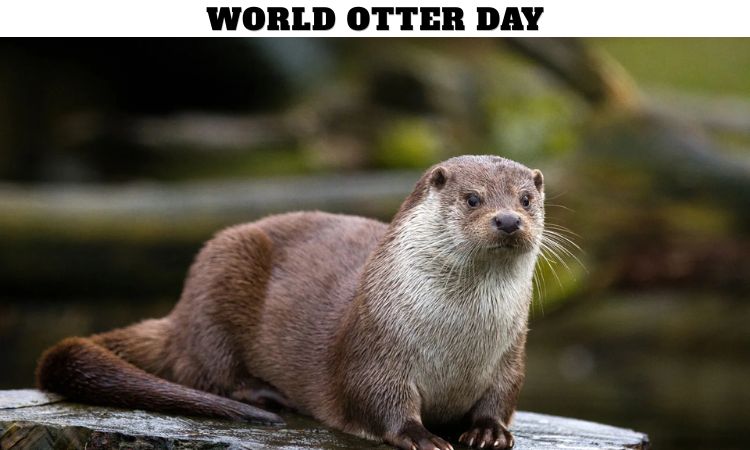
What Is World Otter Day and Why Is It Celebrated on May 27?
World Otter Day is celebrated every year on May 27 to raise awareness about otters, their habitats, and the growing need for global conservation efforts. The day highlights the importance of protecting otter species from environmental threats such as habitat destruction, pollution, climate change, and illegal wildlife trade.
Otters are among the most playful and intelligent aquatic mammals in the world. Their energetic behavior, social nature, and strong swimming abilities have made them beloved animals across many cultures. Despite their popularity, many otter species face serious threats that endanger their survival in the wild.
World Otter Day encourages individuals, wildlife organizations, zoos, conservation groups, schools, and communities to educate people about the importance of preserving freshwater and marine ecosystems where otters live. The celebration also inspires people to support wildlife protection initiatives and environmental sustainability.
The observance reminds the world that protecting otters also helps preserve biodiversity, water quality, and healthy ecosystems for future generations.
What Are Otters and Why Are They Important to Ecosystems?
Otters are carnivorous mammals belonging to the weasel family. They are highly adapted to aquatic environments and can be found in rivers, lakes, wetlands, coastal areas, and oceans across different parts of the world.
Otters play a crucial role in maintaining ecological balance. As predators, they help regulate fish populations and contribute to healthy aquatic ecosystems. Their presence often indicates clean and sustainable water environments because otters depend on healthy habitats to survive.
There are several species of otters, including:
- Sea otters
- River otters
- Giant otters
- Asian small-clawed otters
- Smooth-coated otters
- Eurasian otters
Each species contributes uniquely to the environment while supporting biodiversity in its habitat.
Healthy otter populations are considered indicators of strong ecosystems. When otter numbers decline, it may signal environmental problems such as water pollution, habitat destruction, or food shortages.
What Is the History Behind World Otter Day?
World Otter Day was established by conservation organizations to increase awareness about the challenges facing otter populations worldwide. The observance focuses on education, habitat protection, and encouraging action to preserve these remarkable animals.
As environmental concerns grew globally, wildlife experts recognized the need for a dedicated awareness day focused specifically on otter conservation. The day quickly gained international recognition among environmental groups, animal lovers, schools, and wildlife organizations.
Conservation programs associated with World Otter Day aim to educate the public about the importance of preserving wetlands, rivers, and marine habitats that support otter populations.
The annual celebration has become an important platform for discussing sustainable environmental practices and encouraging people to participate in wildlife protection efforts.
Why Are Otters Considered One of the Most Fascinating Animals?
Otters are admired for their intelligence, playful personalities, and remarkable swimming abilities. Their social behavior and expressive interactions make them one of the most entertaining and fascinating animals to observe.
Several characteristics make otters unique:
- Excellent swimming skills
- Use of tools to open shellfish
- Strong family bonds
- High intelligence
- Dense water-resistant fur
- Playful behavior
Sea otters are especially famous for floating on their backs while using rocks to crack open shells. Some otters also hold hands while sleeping in water to avoid drifting apart.
Their playful activities, including sliding on mud or snow and engaging in group games, contribute to their popularity among wildlife enthusiasts and researchers alike.
Otters demonstrate advanced problem-solving skills and adaptability, making them important subjects for animal behavior studies.
Where Do Otters Live Around the World?
Otters inhabit a wide range of environments across multiple continents. Different species have adapted to freshwater and marine ecosystems depending on their habitat requirements.
Common otter habitats include:
- Rivers
- Lakes
- Wetlands
- Mangrove forests
- Coastal shorelines
- Forest streams
- Ocean coastlines
Sea otters are primarily found along the Pacific coast, while river otters live in freshwater systems across North America, Europe, Asia, and parts of Africa.
The giant otter inhabits South American river systems, particularly in the Amazon rainforest. Asian small-clawed otters are found in Southeast Asia and are known for their social behavior and dexterous paws.
Habitat quality is extremely important for otter survival because they depend on clean water and abundant food sources.
What Threats Do Otters Face in the Wild?
Despite their adaptability, otters face numerous environmental and human-related threats that continue to impact their populations.
Major threats include:
- Habitat destruction
- Water pollution
- Climate change
- Illegal wildlife trade
- Oil spills
- Overfishing
- Hunting and poaching
Polluted waterways can reduce fish populations and expose otters to harmful chemicals. Habitat loss caused by urban development and deforestation also disrupts breeding and feeding areas.
Climate change affects marine and freshwater ecosystems, altering food availability and water conditions that otters depend on for survival.
Illegal pet trade activities have also threatened certain otter species, especially small-clawed otters, which are sometimes captured and sold illegally.
World Otter Day helps draw attention to these threats while promoting conservation efforts and legal protections.
How Do Conservation Organizations Protect Otters?
Wildlife organizations around the world work tirelessly to protect otter populations and their habitats through conservation programs, research, and public education.
Conservation efforts include:
- Habitat restoration projects
- Wildlife rescue programs
- Pollution reduction initiatives
- Anti-poaching enforcement
- Breeding and rehabilitation programs
- Public awareness campaigns
Scientists also conduct population monitoring and ecological studies to better understand otter behavior, migration patterns, and habitat needs.
Protected wetlands and marine reserves play a major role in safeguarding otter populations by preserving critical ecosystems.
Educational outreach programs associated with World Otter Day encourage communities to support environmentally responsible practices that benefit wildlife.
Why Are Sea Otters Important to Marine Ecosystems?
Sea otters play a vital role in maintaining healthy marine ecosystems, especially kelp forest environments. They help control sea urchin populations, which can damage kelp forests if left unchecked.
Kelp forests provide habitat and food for numerous marine species while supporting biodiversity and coastal protection.
Without sea otters, sea urchin populations can grow rapidly and destroy kelp forests, negatively affecting the entire ecosystem.
Sea otters are considered a keystone species because their presence has a major impact on environmental balance.
Protecting sea otters helps preserve marine biodiversity and contributes to healthier ocean ecosystems overall.
How Can People Celebrate World Otter Day?
People celebrate World Otter Day through educational activities, wildlife awareness campaigns, and environmental conservation efforts.
Popular ways to participate include:
- Visiting wildlife centers or aquariums
- Learning about otter species
- Supporting conservation charities
- Sharing educational content online
- Participating in environmental cleanups
- Watching documentaries about otters
- Teaching children about wildlife protection
Schools often organize educational projects and presentations focused on aquatic ecosystems and endangered species.
Families may also celebrate by reading books about otters, creating animal-themed art projects, or supporting eco-friendly organizations.
The day encourages both fun learning experiences and meaningful environmental action.
Why Are Otters Popular in Wildlife Education and Media?
Otters are highly popular in wildlife documentaries, educational programs, and social media because of their playful and expressive behavior. Their energetic personalities make them appealing to audiences of all ages.
Many wildlife educators use otters to teach children about conservation, biodiversity, and aquatic ecosystems. Their relatable and entertaining behavior helps make environmental education more engaging.
Videos and photographs of otters often become widely shared online due to their charming interactions and playful habits.
This popularity helps conservation organizations raise awareness and attract support for wildlife protection initiatives.
The emotional connection people feel toward otters can inspire greater interest in environmental responsibility and habitat preservation.
How Does Pollution Affect Otter Populations?
Pollution is one of the most serious threats facing otters worldwide. Contaminated waterways reduce food availability and expose otters to toxic substances that can harm their health.
Oil spills are especially dangerous for sea otters because their fur provides insulation. Oil contamination damages their fur’s protective properties, making it difficult for them to stay warm.
Plastic pollution and chemical waste also disrupt aquatic ecosystems that otters rely on for survival.
Conservation groups encourage cleaner waterways, sustainable waste management, and pollution prevention efforts to protect aquatic wildlife and ecosystems.
World Otter Day helps increase public understanding of how environmental health directly impacts wildlife populations.
Why Is Wildlife Conservation Important for Future Generations?
Wildlife conservation ensures that future generations can continue experiencing the beauty and diversity of the natural world. Protecting animals like otters also supports healthier ecosystems that benefit humans and other species alike.
Conservation efforts contribute to:
- Biodiversity preservation
- Cleaner water systems
- Stronger ecosystems
- Environmental sustainability
- Ecological balance
Otters serve as important reminders of how interconnected ecosystems are. When habitats are damaged, entire environmental systems can be affected.
World Otter Day promotes the idea that protecting wildlife is a shared global responsibility requiring education, cooperation, and sustainable practices.
Why Does World Otter Day Continue to Grow in Global Importance?
World Otter Day continues growing in importance because environmental awareness and wildlife conservation have become major global priorities. Increasing habitat destruction and climate-related challenges have highlighted the urgent need to protect vulnerable species.
Otters symbolize healthy aquatic ecosystems and remind people of the importance of preserving natural habitats. Their popularity also helps conservation organizations engage broader audiences in environmental discussions.
As more schools, communities, aquariums, and wildlife organizations participate in the celebration each year, World Otter Day continues expanding its educational and conservation impact.
The observance encourages individuals worldwide to support environmental responsibility while appreciating one of nature’s most fascinating and beloved animals.
Frequently Asked Questions (FAQs)
1. When is World Otter Day celebrated?
World Otter Day is celebrated every year on May 27.
2. What is the purpose of World Otter Day?
The day raises awareness about otter conservation and the importance of protecting aquatic ecosystems.
3. Why are otters important to ecosystems?
Otters help maintain ecological balance by regulating prey populations and supporting healthy waterways.
4. How many types of otters are there?
There are several species of otters found in freshwater and marine environments worldwide.
5. What do otters eat?
Otters primarily eat fish, shellfish, crustaceans, and other small aquatic animals.
6. Are otters endangered?
Some otter species are threatened or endangered due to habitat loss, pollution, and illegal trade.
7. Why are sea otters important?
Sea otters help protect kelp forests by controlling sea urchin populations.
8. How can people help protect otters?
People can support conservation organizations, reduce pollution, and promote environmental awareness.
9. Where do otters live?
Otters live in rivers, lakes, wetlands, coastal areas, and oceans across different parts of the world.
10. Why are otters considered playful animals?
Otters are known for their energetic behavior, social interactions, and playful swimming activities.