

What Is National Sunscreen Day and Why Is It Celebrated on May 27?
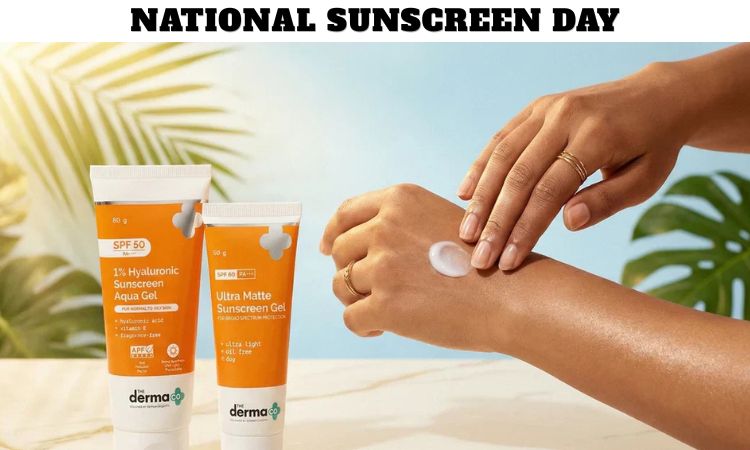
National Sunscreen Day is observed every year on May 27 to raise awareness about the importance of protecting skin from harmful ultraviolet rays. The day encourages people to adopt healthy sun safety habits, use sunscreen regularly, and understand the long-term benefits of skin protection.
As warmer weather arrives and outdoor activities increase, National Sunscreen Day serves as an important reminder that sun exposure can damage the skin even on cloudy days. The celebration highlights the role sunscreen plays in reducing sunburn, premature aging, skin damage, and the risk of skin cancer.
People of all ages participate in National Sunscreen Day by learning about proper sunscreen use, sharing sun safety tips, purchasing protective skincare products, and encouraging family members to practice healthy outdoor habits.
The day also promotes education about different skin types, SPF ratings, broad-spectrum protection, and the importance of reapplying sunscreen throughout the day.
Why Is Sunscreen Important for Daily Skin Protection?
Sunscreen is essential because it helps shield the skin from harmful ultraviolet radiation produced by the sun. Long-term exposure to UV rays can lead to serious skin problems, including sunburn, discoloration, wrinkles, premature aging, and increased risk of skin cancer.
Ultraviolet rays are generally categorized into UVA and UVB rays. UVA rays penetrate deeper into the skin and contribute to aging and long-term damage, while UVB rays are mainly responsible for sunburn. Broad-spectrum sunscreen helps protect against both types.
Many people mistakenly believe sunscreen is only necessary during summer or at the beach. However, UV exposure occurs year-round, even during cloudy weather or while indoors near windows.
Using sunscreen daily creates a protective barrier that reduces skin damage and helps maintain healthier skin over time. Dermatologists consistently recommend sunscreen as one of the most important steps in any skincare routine.
What Is the History Behind Sunscreen and Sun Protection?
The concept of sun protection has existed for centuries. Ancient civilizations used natural substances such as oils, rice bran, plant extracts, and minerals to shield the skin from intense sunlight.
Modern sunscreen products began developing during the twentieth century as scientific understanding of UV radiation improved. Researchers and skincare experts recognized the harmful effects of excessive sun exposure and worked to create products that could absorb or reflect ultraviolet rays.
As awareness of skin cancer and sun damage increased, sunscreen became a common part of daily personal care routines. Public health organizations and dermatologists began encouraging regular sunscreen use through education campaigns and awareness programs.
National Sunscreen Day was established to support these efforts by reminding people to prioritize skin health before summer outdoor activities begin.
How Does Sunscreen Protect the Skin From UV Rays?
Sunscreen works by either absorbing, reflecting, or scattering ultraviolet radiation before it penetrates the skin. Different sunscreen ingredients perform these protective functions in various ways.
Chemical sunscreens absorb UV radiation and convert it into heat, which is then released from the skin. Mineral sunscreens use ingredients such as zinc oxide or titanium dioxide to physically block and reflect UV rays.
Broad-spectrum sunscreen protects against both UVA and UVB rays, providing more complete coverage against sun damage.
Applying sunscreen properly can help prevent:
- Sunburn
- Skin discoloration
- Premature wrinkles
- Fine lines
- Dark spots
- Skin irritation
- Increased skin cancer risk
Consistent sunscreen use contributes to healthier, more youthful-looking skin over time.
What Does SPF Mean and Why Is It Important?
SPF stands for Sun Protection Factor. It measures how effectively sunscreen protects the skin from UVB rays, which are primarily responsible for sunburn.
Higher SPF numbers generally provide greater protection. For example:
- SPF 15 blocks about 93 percent of UVB rays
- SPF 30 blocks about 97 percent
- SPF 50 blocks about 98 percent
Although higher SPF products offer slightly more protection, proper application and regular reapplication are more important than relying solely on extremely high SPF numbers.
Many dermatologists recommend using sunscreen with at least SPF 30 for daily use. Individuals spending long periods outdoors may benefit from higher SPF products combined with additional protective measures such as hats, sunglasses, and protective clothing.
How Often Should Sunscreen Be Applied During the Day?
One of the most common mistakes people make is applying sunscreen only once. Sunscreen effectiveness decreases over time due to sweating, swimming, and natural skin oils.
Experts generally recommend:
- Applying sunscreen 15 to 30 minutes before sun exposure
- Reapplying every two hours
- Reapplying immediately after swimming or excessive sweating
Proper coverage is also important. Many people use too little sunscreen, reducing its effectiveness significantly.
Areas commonly forgotten include:
- Ears
- Neck
- Hands
- Feet
- Lips
- Scalp
Consistent and thorough application helps maximize skin protection during outdoor activities.
Why Is National Sunscreen Day Important for Children and Families?
Children are especially vulnerable to sun damage because their skin is more sensitive than adult skin. Severe sunburns during childhood may increase the risk of skin complications later in life.
National Sunscreen Day encourages parents and caregivers to establish healthy sun safety habits early. Teaching children to apply sunscreen regularly helps create lifelong protective routines.
Family-friendly sun protection habits include:
- Wearing hats and sunglasses
- Seeking shade during peak sunlight hours
- Using broad-spectrum sunscreen
- Wearing lightweight protective clothing
- Staying hydrated outdoors
Schools, camps, and community programs often use National Sunscreen Day as an educational opportunity to teach children about skin health and UV safety.
How Can People Celebrate National Sunscreen Day?
People celebrate National Sunscreen Day in many educational and practical ways. Since the holiday promotes health awareness, activities often focus on prevention, skincare, and outdoor safety.
Popular celebration ideas include:
- Purchasing new sunscreen products
- Reviewing skincare routines
- Sharing sun safety information online
- Organizing educational workshops
- Hosting outdoor wellness events
- Encouraging family sunscreen habits
- Scheduling skin checkups
Many skincare brands and health organizations also use the occasion to promote awareness campaigns and distribute educational materials about UV protection.
National Sunscreen Day serves as both a celebration and a reminder that skin protection should remain a daily priority.
What Are the Different Types of Sunscreen Available?
Modern sunscreen products are available in various forms to suit different preferences, lifestyles, and skin types.
Common sunscreen types include:
- Lotion sunscreen
- Spray sunscreen
- Gel sunscreen
- Stick sunscreen
- Mineral sunscreen
- Chemical sunscreen
- Water-resistant sunscreen
People with sensitive skin often prefer mineral sunscreens because they are generally gentler and less likely to cause irritation.
Water-resistant products are popular for swimming and sports activities, although they still require regular reapplication.
Choosing the right sunscreen depends on skin type, activity level, climate, and personal comfort preferences.
Why Do Dermatologists Recommend Daily Sunscreen Use?
Dermatologists consistently recommend sunscreen because it is one of the most effective tools for preventing long-term skin damage.
Daily sunscreen use helps reduce:
- Premature aging
- Sunspots
- Hyperpigmentation
- Uneven skin tone
- Wrinkles
- Risk of certain skin cancers
Even short periods of unprotected sun exposure can contribute to cumulative skin damage over time.
Many people assume darker skin tones do not require sunscreen, but UV damage can affect all skin types and complexions. Everyone benefits from daily protection regardless of skin color.
Using sunscreen regularly is considered one of the simplest and most effective ways to support long-term skin health.
How Does Sun Exposure Affect Skin Aging?
Ultraviolet radiation accelerates visible skin aging through a process commonly known as photoaging. Repeated sun exposure breaks down collagen and elastin fibers that help maintain skin firmness and elasticity.
Signs of sun-related skin aging may include:
- Wrinkles
- Fine lines
- Sagging skin
- Dark spots
- Uneven texture
- Loss of elasticity
Sunscreen helps slow these effects by minimizing UV penetration into the skin.
People who consistently use sunscreen often maintain healthier and more youthful-looking skin over time compared to those who regularly experience unprotected sun exposure.
How Can Schools and Workplaces Support National Sunscreen Day?
Schools and workplaces can participate in National Sunscreen Day through awareness campaigns and educational programs.
Ideas include:
- Providing sunscreen stations
- Hosting health seminars
- Sharing educational posters
- Encouraging outdoor safety practices
- Organizing wellness activities
Employers with outdoor workers may also emphasize the importance of protective clothing, hydration, and regular sunscreen use during long work shifts in the sun.
Educational initiatives help create healthier communities and increase awareness about preventable skin damage.
Why Does National Sunscreen Day Continue to Grow in Importance?
National Sunscreen Day continues growing in importance because skin health awareness has become a major public health focus worldwide. Increased understanding of UV damage and skin cancer risks has encouraged more people to adopt preventative skincare habits.
Social media, dermatology education, and skincare trends have also contributed to rising awareness about daily sun protection.
As outdoor lifestyles and travel activities remain popular, people increasingly recognize the need for reliable sun safety practices.
National Sunscreen Day reminds individuals that protecting the skin is not only about appearance but also about long-term health and wellness. By encouraging education and preventative care, the holiday promotes healthier habits that benefit people of all ages.
Frequently Asked Questions (FAQs)
1. When is National Sunscreen Day celebrated?
National Sunscreen Day is celebrated every year on May 27.
2. What is the purpose of National Sunscreen Day?
The day promotes awareness about sun safety and the importance of using sunscreen regularly.
3. Why is sunscreen important?
Sunscreen helps protect the skin from harmful UV rays that can cause sunburn, aging, and skin cancer.
4. What does SPF mean?
SPF stands for Sun Protection Factor and measures protection against UVB rays.
5. How often should sunscreen be reapplied?
Sunscreen should generally be reapplied every two hours or after swimming or sweating.
6. Is sunscreen necessary on cloudy days?
Yes, UV rays can still penetrate clouds and damage the skin.
7. What is broad-spectrum sunscreen?
Broad-spectrum sunscreen protects against both UVA and UVB rays.
8. Can children use sunscreen daily?
Yes, sunscreen is important for children to help prevent long-term sun damage.
9. What are the main types of sunscreen?
Common types include lotion, spray, gel, stick, mineral, and chemical sunscreen.
10. Does sunscreen help prevent premature aging?
Yes, regular sunscreen use helps reduce wrinkles, dark spots, and other signs of sun-related aging.