

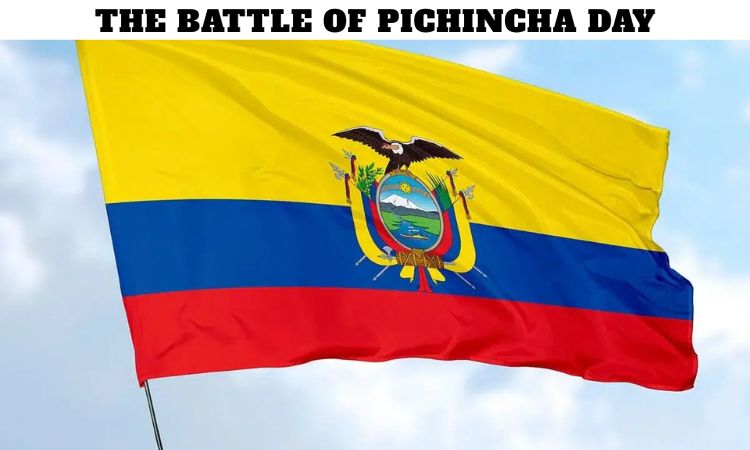
What Is The Battle of Pichincha Day and Why Is It Celebrated on May 24?
The Battle of Pichincha Day is commemorated every year on May 24 in Ecuador to honor one of the most decisive battles in South American independence history. The observance marks the victory of independence forces over Spanish royalist troops during the Battle of Pichincha, fought on May 24, 1822, on the slopes of the Pichincha volcano near Quito.
This historic victory secured Ecuador’s independence from Spanish colonial rule and became a defining moment in the liberation of South America. The battle not only transformed Ecuador’s future but also strengthened the broader independence movement led by revolutionary leaders across Latin America.
The holiday is celebrated with military parades, educational events, patriotic ceremonies, cultural performances, and tributes to the heroes who fought for freedom. For Ecuadorians, The Battle of Pichincha Day symbolizes courage, national pride, sovereignty, and the pursuit of independence.
What Was the Battle of Pichincha?
The Battle of Pichincha was a military conflict between revolutionary independence forces and Spanish royalist troops. It took place high on the slopes of the Pichincha volcano overlooking Quito, Ecuador’s capital city.
The revolutionary army was led by General Antonio José de Sucre, one of the most important military leaders in the South American independence movement and a close ally of Simón Bolívar. The forces fighting for independence sought to liberate the region from Spanish colonial control.
Despite difficult terrain and high-altitude conditions, Sucre’s army achieved a significant victory against the Spanish royalists. The triumph effectively ended Spanish authority in the territory that later became Ecuador and paved the way for integration into Gran Colombia before Ecuador eventually became an independent republic.
The battle is remembered as a turning point in Ecuadorian history and an important achievement in Latin America’s fight for freedom.
Why Was the Battle of Pichincha Historically Important?
The Battle of Pichincha was historically important because it secured independence for the region of Quito and weakened Spanish colonial influence in South America. Before the battle, many parts of Latin America were engaged in revolutionary struggles against Spanish rule.
The victory achieved by Sucre’s forces had several lasting consequences:
- Liberation of Quito
- Strengthening of independence movements
- Decline of Spanish colonial power
- Expansion of revolutionary momentum
- Formation of new sovereign states
The battle also contributed to the broader vision of Latin American independence championed by leaders such as Simón Bolívar. It represented the determination of local populations to govern themselves and build independent nations free from colonial rule.
For Ecuadorians, May 24 became a symbol of national identity and liberation.
Who Was Antonio José de Sucre and Why Is He Honored?
Antonio José de Sucre is celebrated as one of the greatest heroes of South American independence. Born in present-day Venezuela, Sucre became one of Simón Bolívar’s most trusted generals and played a major role in several liberation campaigns across the continent.
During the Battle of Pichincha, Sucre demonstrated exceptional leadership and military strategy despite challenging geographic conditions. His victory helped secure Ecuador’s independence and elevated his status as a national hero.
Sucre is remembered for:
- Military leadership
- Dedication to independence
- Strategic brilliance
- Political contributions
- Commitment to liberty
Many schools, streets, monuments, and institutions throughout South America bear his name in recognition of his historical importance.
How Did the Battle Influence Ecuador’s Independence?
The Battle of Pichincha directly influenced Ecuador’s path to independence by ending Spanish dominance in the region surrounding Quito. After the revolutionary victory, the territory joined the Republic of Gran Colombia, a union promoted by Simón Bolívar that included parts of present-day Colombia, Venezuela, Panama, and Ecuador.
Although Ecuador later became an independent republic in 1830, the victory at Pichincha remains the foundational event that made national independence possible.
The battle unified independence supporters and inspired future generations to preserve Ecuador’s sovereignty and cultural identity.
Why Is Quito Important During the Celebrations?
The city of Quito holds special significance during The Battle of Pichincha Day because it was the city liberated after the battle. Located near the Pichincha volcano, Quito becomes the center of national commemorations each year.
Government ceremonies, military parades, and public events are commonly held in Quito to honor the historic victory. Monuments dedicated to independence heroes become gathering places for patriotic celebrations and educational activities.
Schools and institutions across Quito organize programs that teach students about the importance of May 24 in Ecuadorian history.
The city’s historical connection to the battle makes it one of the most symbolic locations for national remembrance.
How Do Ecuadorians Celebrate The Battle of Pichincha Day?
The Battle of Pichincha Day is celebrated throughout Ecuador with patriotic pride and historical reflection. The holiday includes both official state ceremonies and community events.
Common celebrations include:
- Military parades
- School performances
- Historical reenactments
- Patriotic speeches
- Flag ceremonies
- Cultural dances
- Music performances
- Educational programs
- Public tributes to national heroes
Schools often organize student marches and cultural presentations focused on Ecuadorian history and independence. Public institutions display national flags, and communities gather to celebrate Ecuador’s heritage and sovereignty.
The atmosphere combines patriotic celebration with respect for the sacrifices made during the independence struggle.
What Role Did Simón Bolívar Play in the Independence Movement?
Although Simón Bolívar did not personally command the Battle of Pichincha, his influence on South American independence was enormous. Bolívar’s vision of liberating Spanish colonies inspired revolutionary leaders across the continent.
Antonio José de Sucre fought under Bolívar’s broader independence campaign and shared the goal of freeing South America from colonial rule.
Bolívar’s leadership contributed to:
- Revolutionary unity
- Military coordination
- Political independence movements
- Formation of Gran Colombia
- Regional liberation campaigns
Because of his role in shaping Latin American independence, Bolívar remains deeply connected to the historical significance of the Battle of Pichincha.
What Cultural Traditions Are Associated With the Holiday?
Cultural traditions play an important role in Battle of Pichincha Day celebrations. Ecuadorians honor both their historical heritage and national identity through music, dance, traditional clothing, and educational activities.
Communities often organize:
- Folk dance performances
- Traditional music concerts
- Poetry recitations
- Historical exhibitions
- Cultural festivals
- Art displays
These activities help preserve Ecuadorian history while promoting pride in national traditions and achievements.
Schools also encourage students to learn about independence heroes and participate in patriotic programs that connect younger generations with the nation’s past.
How Does the Holiday Educate Younger Generations?
The Battle of Pichincha Day serves as an important educational opportunity for young Ecuadorians. Schools dedicate time to teaching students about the independence movement, national heroes, and the importance of sovereignty.
Educational activities often include:
- History lessons
- Student presentations
- Historical reenactments
- Patriotic songs
- Essay competitions
- Classroom discussions
- Visits to monuments and museums
These programs ensure that future generations understand the sacrifices made during the fight for independence and continue to value Ecuador’s national identity.
Why Does The Battle of Pichincha Day Continue to Matter Today?
The Battle of Pichincha Day remains important because it represents freedom, resilience, and national determination. The battle shaped Ecuador’s history and contributed to the broader liberation of South America from colonial rule.
The holiday continues to inspire pride among Ecuadorians and serves as a reminder of the values associated with independence, unity, and sovereignty.
Modern celebrations reflect both historical remembrance and contemporary national identity, ensuring that the legacy of May 24, 1822, continues to influence Ecuadorian culture and patriotism.
What Lessons Can Be Learned From the Battle of Pichincha?
The Battle of Pichincha teaches lessons about courage, perseverance, leadership, and the importance of self-determination. The revolutionary forces faced difficult conditions yet remained committed to achieving independence.
The battle demonstrates how unity and determination can shape the future of nations and inspire generations to defend freedom and sovereignty.
Its legacy continues to encourage respect for history, national identity, and democratic ideals throughout Ecuador and Latin America.
Frequently Asked Questions (FAQs)
1. When is The Battle of Pichincha Day celebrated?
The Battle of Pichincha Day is celebrated annually on May 24.
2. What happened during the Battle of Pichincha?
Independence forces defeated Spanish royalist troops near Quito in 1822.
3. Who led the revolutionary forces during the battle?
General Antonio José de Sucre led the independence army.
4. Why is the battle important in Ecuadorian history?
The battle secured Ecuador’s independence from Spanish colonial rule.
5. Where did the Battle of Pichincha take place?
The battle took place on the slopes of the Pichincha volcano near Quito, Ecuador.
6. What role did Simón Bolívar play in the independence movement?
Simón Bolívar inspired and supported South American independence campaigns.
7. How do Ecuadorians celebrate The Battle of Pichincha Day?
Celebrations include parades, cultural events, speeches, and educational activities.
8. Why is Antonio José de Sucre considered a hero?
He successfully led revolutionary forces to victory during the Battle of Pichincha.
9. What does the holiday symbolize?
The holiday symbolizes freedom, sovereignty, and national pride.
10. Why is Quito significant during the celebrations?
Quito was liberated after the battle and serves as the center of many national commemorations.