
What Is Eritrean Independence Day and Why Is It Celebrated on May 24?
Eritrean Independence Day is celebrated every year on May 24 to commemorate Eritrea’s official independence from Ethiopia in 1991 after a long and difficult armed struggle. The day marks one of the most important milestones in Eritrean history and represents freedom, sacrifice, resilience, and national unity.
For Eritreans across the world, Independence Day is not simply a national holiday. It is a powerful reminder of the determination and courage displayed by generations who fought for self-rule and sovereignty. Communities celebrate with parades, concerts, traditional dances, patriotic songs, fireworks, and cultural gatherings that honor the nation’s hard-earned freedom.
The holiday also reflects the pride Eritreans feel for their identity, heritage, and independence. It is observed not only within Eritrea but also by Eritrean diaspora communities throughout Europe, North America, Africa, the Middle East, and Australia.
How Did Eritrea Gain Independence?
The road to Eritrean independence was long and marked by decades of conflict and resistance. Eritrea was colonized by Italy in the late nineteenth century and later came under British administration after World War II. In 1952, Eritrea was federated with Ethiopia under a United Nations resolution. However, Ethiopia eventually dissolved the federation and annexed Eritrea in 1962.
This annexation triggered a prolonged liberation struggle led by Eritrean independence movements, most notably the Eritrean People’s Liberation Front (EPLF). The war for independence lasted for approximately thirty years and became one of Africa’s longest liberation conflicts.
On May 24, 1991, Eritrean liberation fighters successfully captured the capital city of Asmara, effectively ending Ethiopian control over Eritrea. Two years later, in 1993, Eritreans voted overwhelmingly in favor of independence through a United Nations-supervised referendum.
The victory on May 24 remains deeply symbolic because it represents the culmination of immense sacrifice and national determination.
Why Is Eritrean Independence Day Historically Important?
Eritrean Independence Day holds enormous historical significance because it marks the birth of Eritrea as a sovereign nation. The day recognizes the courage of fighters, civilians, and families who endured hardship, displacement, and loss during the struggle for independence.
The liberation movement became a defining part of Eritrean national identity. The war affected nearly every family in Eritrea, making Independence Day both a celebration and a remembrance of sacrifice.
The holiday also represents:
- National unity
- Resistance against occupation
- Preservation of Eritrean identity
- Cultural pride
- Political sovereignty
- Historical remembrance
For younger generations, Independence Day serves as an opportunity to learn about the nation’s history and appreciate the sacrifices made to secure freedom.
How Do Eritreans Celebrate Independence Day?
Celebrations for Eritrean Independence Day are vibrant, emotional, and deeply patriotic. Major cities, especially the capital city Asmara, host large public events attended by thousands of people.
The streets are decorated with Eritrean flags, lights, and banners celebrating freedom and national pride. Government buildings, businesses, and homes display patriotic decorations while cultural performances take place across the country.
Common Independence Day celebrations include:
- Military parades
- Traditional music performances
- Cultural dance festivals
- Fireworks displays
- National speeches
- Community gatherings
- Art exhibitions
- Youth performances
- Patriotic concerts
Festivities often continue late into the night, creating an atmosphere of joy and national solidarity.
What Role Does Asmara Play During the Celebrations?
The capital city of Asmara becomes the center of national celebrations during Eritrean Independence Day. Large crowds gather in public squares and stadiums to participate in official ceremonies and entertainment programs.
Asmara is known for its unique architecture, lively streets, and historical importance during the liberation struggle. During Independence Day, the city transforms into a vibrant hub filled with music, traditional attire, and patriotic enthusiasm.
Government leaders often deliver speeches reflecting on the nation’s progress, achievements, and future goals. Citizens proudly wave national flags while honoring veterans and remembering those who lost their lives during the struggle for independence.
What Cultural Traditions Are Associated With Eritrean Independence Day?
Culture plays a central role in Eritrean Independence Day celebrations. Eritrea is home to diverse ethnic groups, each contributing unique traditions, music, dances, and attire to the festivities.
Traditional dance performances are especially important during the celebrations. Dancers wear colorful garments representing different Eritrean communities while performing energetic routines accompanied by drums and local instruments.
Traditional cultural elements include:
- Folk dances
- Eritrean music performances
- Traditional clothing
- Storytelling
- Poetry readings
- Community feasts
- Cultural exhibitions
Food also plays an important role during the holiday. Families and communities gather to enjoy traditional Eritrean dishes while celebrating together.
What Foods Are Commonly Enjoyed During Eritrean Independence Day?
Food is an essential part of Eritrean Independence Day gatherings and celebrations. Families prepare large meals that reflect Eritrea’s rich culinary traditions and hospitality.
Popular Eritrean dishes commonly enjoyed during the holiday include:
- Injera with stews
- Zigni
- Tibsi
- Lentil dishes
- Grilled meats
- Rice dishes
- Traditional bread
- Spiced tea and coffee
Coffee ceremonies are especially significant in Eritrean culture and are often included during family gatherings and social events on Independence Day.
Meals are typically shared among extended families, neighbors, and friends, reinforcing the values of unity and community.
How Do Eritrean Communities Abroad Celebrate Independence Day?
Eritrean diaspora communities around the world actively celebrate Independence Day with cultural festivals, concerts, and community events. Many Eritreans living abroad maintain strong emotional and cultural connections to their homeland, making May 24 an important occasion regardless of location.
Cities with large Eritrean populations often organize:
- Cultural festivals
- Music concerts
- Traditional dance competitions
- Community dinners
- Educational programs
- Flag ceremonies
- Youth activities
These events help preserve Eritrean heritage among younger generations born outside the country while strengthening cultural identity within diaspora communities.
Why Is National Unity Emphasized During Independence Day?
National unity is one of the central themes of Eritrean Independence Day. During the liberation struggle, Eritreans from diverse ethnic, linguistic, and religious backgrounds worked together toward a shared goal of independence.
The holiday reinforces the importance of solidarity and collective identity. Public speeches and cultural events often highlight the sacrifices made by people from all regions and communities.
The emphasis on unity continues to shape Eritrea’s national narrative and remains a key message during Independence Day commemorations.
What Symbols Represent Eritrean Independence Day?
Several national symbols are prominently displayed during Eritrean Independence Day celebrations.
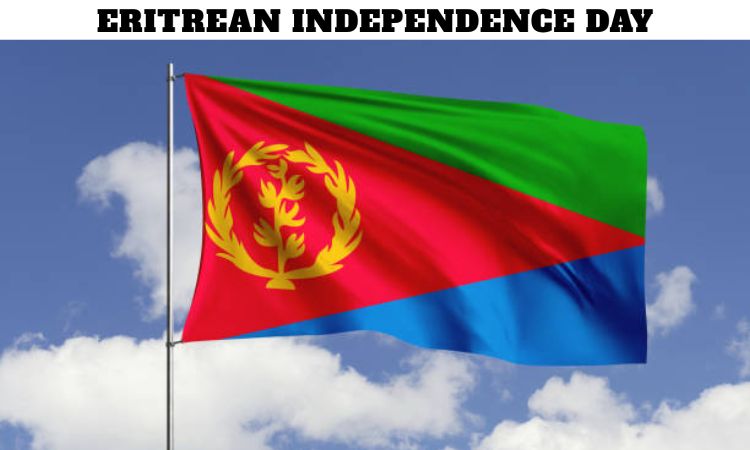
The Eritrean flag is the most visible symbol and represents the nation’s sovereignty and aspirations. Citizens proudly wave flags during parades and public events.
Other symbolic elements include:
- Patriotic songs
- Liberation memorials
- Traditional attire
- National monuments
- Historical photographs
- Veterans’ tributes
These symbols help connect modern celebrations with the history of the liberation movement and the sacrifices that secured independence.
How Does Eritrean Independence Day Educate Younger Generations?
Independence Day serves as an educational opportunity for young Eritreans to understand their nation’s history and cultural identity. Schools, youth organizations, and community groups often organize programs that teach students about the liberation struggle and the significance of independence.
Educational activities may include:
- Historical presentations
- Cultural performances
- Essay competitions
- Documentary screenings
- Veteran interviews
- Patriotic art projects
These activities help preserve historical memory and encourage younger generations to appreciate the sacrifices made by earlier generations.
Why Does Eritrean Independence Day Continue to Inspire People Worldwide?
Eritrean Independence Day continues to inspire people because it represents perseverance, self-determination, and national resilience. The story of Eritrea’s struggle for independence is viewed by many as a powerful example of a people fighting for freedom despite enormous challenges.
The holiday reflects the enduring importance of identity, sovereignty, and cultural pride. For Eritreans worldwide, May 24 remains a day of remembrance, celebration, and hope for the future.
Frequently Asked Questions (FAQs)
1. When is Eritrean Independence Day celebrated?
Eritrean Independence Day is celebrated annually on May 24.
2. What does Eritrean Independence Day commemorate?
The holiday commemorates Eritrea’s independence from Ethiopia in 1991.
3. Why is May 24 important in Eritrean history?
May 24 marks the day Eritrean liberation forces captured Asmara and achieved effective independence.
4. How long did the Eritrean struggle for independence last?
The struggle for independence lasted approximately thirty years.
5. What is the capital city of Eritrea?
The capital city of Eritrea is Asmara.
6. What are common Independence Day celebrations in Eritrea?
Celebrations include parades, music performances, fireworks, cultural dances, and community gatherings.
7. What traditional foods are eaten during the holiday?
Popular dishes include injera, zigni, tibsi, lentils, and traditional Eritrean coffee.
8. Do Eritreans living abroad celebrate Independence Day?
Yes, Eritrean diaspora communities worldwide celebrate with festivals and cultural events.
9. What is the significance of the Eritrean flag during celebrations?
The flag symbolizes national sovereignty, unity, and independence.
10. Why is Eritrean Independence Day important to younger generations?
The holiday helps educate young people about Eritrea’s history, sacrifices, and national identity.