

What Is Plant Something Day, and Why Is It Celebrated on May 19?
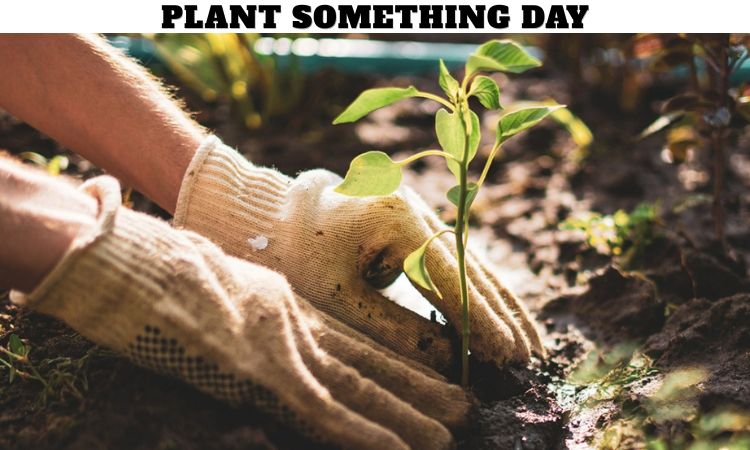
Plant Something Day, celebrated every year on May 19, is a meaningful observance that encourages people to plant trees, flowers, vegetables, herbs, or any form of greenery to support the environment and beautify communities. The holiday promotes gardening, sustainability, and environmental awareness while inspiring individuals to reconnect with nature.
Whether someone plants a single flower in a small pot or starts an entire backyard garden, the purpose of Plant Something Day is simple: contribute to a greener and healthier world. The observance reminds us that even small planting efforts can create lasting environmental and emotional benefits.
The celebration has become increasingly important in modern times as concerns about climate change, pollution, and urban development continue to grow. Trees and plants play a critical role in maintaining ecological balance by improving air quality, supporting wildlife, conserving soil, and reducing heat.
Plant Something Day also encourages families, schools, and communities to work together through gardening activities that promote education, creativity, and environmental responsibility.
How Did Plant Something Day Begin?
The exact origins of Plant Something Day are not widely documented, but the observance likely developed as part of broader environmental and gardening awareness movements.
Throughout history, people have recognized the importance of planting trees and crops for survival, beauty, and environmental health. Over time, environmental campaigns and gardening initiatives inspired special observances dedicated to planting activities.
Plant Something Day became associated with encouraging simple acts of environmental stewardship. Unlike large-scale environmental campaigns, this holiday focuses on individual action and community participation.
The observance gained popularity because planting is accessible to almost everyone. Whether in urban apartments, suburban homes, schools, or rural communities, people can participate in ways that fit their lifestyle and available space.
Why Is Planting Important for the Environment?
Plants are essential for maintaining life on Earth. They help clean the air, support ecosystems, regulate temperatures, and provide food and oxygen.
Some major environmental benefits of planting include:
- Absorbing carbon dioxide
- Producing oxygen
- Reducing air pollution
- Preventing soil erosion
- Supporting wildlife habitats
- Conserving water
- Lowering urban heat levels
Trees and plants also improve biodiversity by creating shelter and food sources for birds, insects, and other animals.
Plant Something Day reminds us that every plant contributes to a healthier environment and a more sustainable future.
What Can We Plant on Plant Something Day?
One of the best aspects of Plant Something Day is its flexibility. People can plant nearly anything depending on their climate, available space, and interests.
Trees
Planting trees provides long-term environmental benefits such as shade, cleaner air, and habitat protection.
Flowers
Flowers add beauty to homes and gardens while attracting pollinators like bees and butterflies.
Vegetables
Vegetable gardens encourage healthy eating and sustainable food production.
Herbs
Herbs are easy to grow indoors or outdoors and can be used in cooking and natural remedies.
Indoor Plants
Houseplants improve indoor air quality and create calming living spaces.
Even planting a single seed can make participation meaningful.
How Does Gardening Benefit Mental Health?
Gardening is widely recognized as a relaxing and therapeutic activity. Spending time with plants and soil can reduce stress, improve mood, and create a sense of accomplishment.
Mental health benefits of gardening include:
- Lower stress levels
- Increased relaxation
- Improved focus
- Reduced anxiety
- Enhanced creativity
- Greater emotional balance
Plant Something Day encourages people to step outdoors, disconnect from screens, and engage in mindful activities connected to nature.
Many people find gardening especially rewarding because it combines physical activity with creativity and patience.
Why Are Trees Important for the Planet?
Trees are among the most valuable natural resources on Earth. They provide environmental, economic, and social benefits that impact communities worldwide.
Important benefits of trees include:
Air Purification
Trees absorb harmful pollutants and release oxygen into the atmosphere.
Climate Regulation
They help cool urban areas and reduce greenhouse gases.
Wildlife Protection
Trees provide shelter and food for birds, insects, and animals.
Soil Protection
Tree roots help prevent erosion and flooding.
Energy Conservation
Shade from trees can reduce cooling costs during hot weather.
Plant Something Day highlights the importance of planting and preserving trees for future generations.
How Can Families Celebrate Plant Something Day Together?
Plant Something Day is an excellent opportunity for families to spend quality time outdoors while teaching children about nature and environmental responsibility.
Popular family activities include:
- Planting flowers in the backyard
- Starting a vegetable garden
- Decorating plant pots
- Visiting local nurseries
- Watering and caring for plants together
- Learning about native plant species
Children especially enjoy watching plants grow over time, making gardening both educational and entertaining.
The holiday also encourages families to develop sustainable habits that can continue throughout the year.
What Are the Best Plants for Beginners?
Many beginners hesitate to start gardening because they fear plants may be difficult to maintain. Fortunately, several plants are easy to grow and require minimal care.
Popular beginner-friendly plants include:
Succulents
These low-maintenance plants require little water and thrive indoors.
Basil
Basil grows quickly and is useful in cooking.
Marigolds
These colorful flowers are hardy and easy to maintain.
Mint
Mint grows rapidly and works well in containers.
Tomatoes
Tomatoes are among the most rewarding vegetables for home gardeners.
Starting with simple plants can build confidence and encourage long-term gardening interest.
How Does Planting Support Wildlife?
Plants are vital for maintaining healthy ecosystems and protecting biodiversity. Birds, bees, butterflies, and many other species rely on plants for food, shelter, and nesting areas.
Flowering plants help pollinators gather nectar and pollen, while trees provide safe habitats for wildlife.
Gardens designed with native plants can significantly improve local ecosystems by supporting species adapted to regional climates.
Plant Something Day encourages environmentally friendly planting practices that help preserve natural habitats and strengthen ecological balance.
Why Is Urban Gardening Becoming More Popular?
Urban gardening has grown rapidly as more people seek sustainable lifestyles and greener living spaces.
In cities where outdoor space is limited, residents often use:
- Balcony gardens
- Rooftop gardens
- Community gardens
- Vertical gardens
- Indoor plant setups
Urban gardening helps improve air quality, reduce stress, and provide access to fresh produce.
Plant Something Day encourages city residents to participate in environmental action regardless of limited space.
How Can Schools Participate in Plant Something Day?
Schools can use Plant Something Day as an educational opportunity to teach students about science, sustainability, and environmental care.
Activities may include:
- Tree planting events
- Classroom gardening projects
- Environmental awareness lessons
- Seed distribution programs
- Recycling and compost education
Hands-on gardening experiences help students understand plant growth, ecosystems, and the importance of protecting natural resources.
School gardens also encourage teamwork and responsibility among students.
What Are the Long-Term Benefits of Planting?
The impact of planting extends far beyond the present moment. Trees and plants can continue benefiting communities and ecosystems for decades.
Long-term advantages include:
- Improved environmental health
- Stronger biodiversity
- Cleaner air and water
- Increased food security
- Enhanced property beauty
- Greater climate resilience
Even small planting efforts can grow into lasting environmental contributions over time.
Plant Something Day reminds us that positive environmental change often begins with simple individual actions.
Why Is Plant Something Day More Relevant Today?
As climate concerns, deforestation, and pollution increase globally, environmental awareness has become more important than ever.
Plant Something Day promotes practical action rather than passive awareness. The observance encourages individuals to contribute directly to environmental improvement through planting and gardening.
The holiday also supports:
- Sustainable living
- Community engagement
- Environmental education
- Healthier lifestyles
- Greener urban development
Its message remains universally meaningful because everyone can participate in creating a greener future.
Frequently Asked Questions (FAQs)
1. When is Plant Something Day celebrated?
Plant Something Day is celebrated annually on May 19.
2. What is the purpose of Plant Something Day?
The holiday encourages people to plant trees, flowers, vegetables, and other greenery to support the environment.
3. Can beginners participate in Plant Something Day?
Yes, beginners can easily participate by planting simple flowers, herbs, or indoor plants.
4. Why are trees important for the environment?
Trees improve air quality, reduce carbon dioxide, provide shade, and support wildlife habitats.
5. What are easy plants for beginners to grow?
Succulents, basil, marigolds, mint, and tomatoes are popular beginner-friendly plants.
6. How does gardening help mental health?
Gardening reduces stress, improves mood, and encourages relaxation and mindfulness.
7. Can people in cities celebrate Plant Something Day?
Yes, urban gardening options include balcony gardens, rooftop gardens, and indoor plants.
8. Why are pollinators important in gardening?
Pollinators such as bees and butterflies help plants reproduce and support healthy ecosystems.
9. How can schools celebrate Plant Something Day?
Schools can organize tree planting, gardening lessons, and environmental awareness activities.
10. Why is Plant Something Day important today?
The holiday promotes environmental responsibility, sustainability, and positive action against climate challenges.