

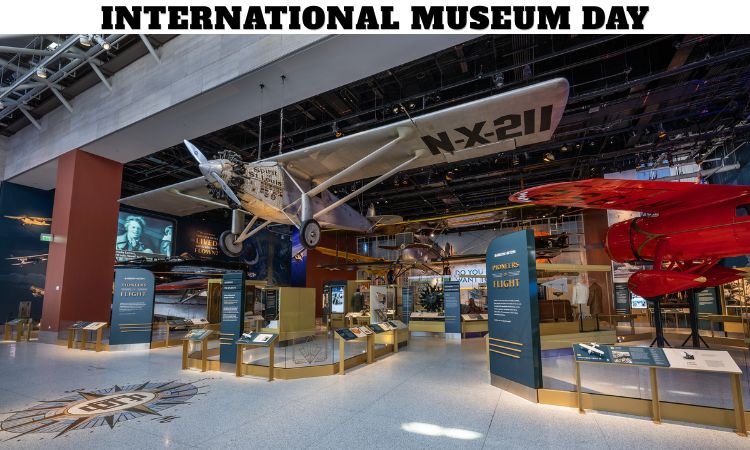
What Is International Museum Day and Why Is It Celebrated on May 18?
International Museum Day, celebrated every year on May 18, is a global observance dedicated to recognizing the importance of museums in preserving culture, history, science, and human creativity. Organized by the International Council of Museums, the day encourages people worldwide to appreciate museums as educational and cultural institutions that connect the past, present, and future.
International Museum Day highlights how museums contribute to society through education, research, cultural exchange, and historical preservation. The observance also promotes awareness about the role museums play in protecting humanity’s shared heritage.
Museums are not simply buildings filled with historical objects. They are spaces where stories, traditions, discoveries, and artistic achievements are preserved for future generations. International Museum Day encourages communities to explore museums and better understand their social and cultural significance.
What Is the History Behind International Museum Day?
International Museum Day was established in 1977 by the International Council of Museums, commonly known as ICOM. The purpose of the observance was to create greater awareness about the important role museums play in cultural development and public education.
Since its creation, the celebration has expanded globally, with thousands of museums in numerous countries participating every year. Each year, International Museum Day often follows a special theme focusing on contemporary social and cultural issues related to museums.
Over the decades, the observance has become one of the most important international events dedicated to arts, history, science, and culture.
Why Are Museums Important to Society?
Museums are essential institutions because they preserve valuable cultural, historical, scientific, and artistic collections that help societies understand their identities and histories.
Museums contribute to society by:
- Preserving historical artifacts and documents
- Promoting education and learning
- Encouraging cultural understanding
- Supporting scientific research
- Inspiring creativity and innovation
Museums also help communities protect traditions, languages, and stories that may otherwise be lost over time.
International Museum Day reminds people that museums serve as guardians of collective human memory and knowledge.
How Do Museums Preserve Cultural Heritage?
Museums play a major role in protecting cultural heritage by collecting, conserving, and displaying objects that represent different civilizations, traditions, and historical periods.
Cultural preservation efforts include:
- Protecting ancient artifacts
- Conserving historical documents
- Restoring artwork and sculptures
- Recording oral histories and traditions
- Archiving photographs and manuscripts
Without museums, many important pieces of human history could disappear due to natural disasters, conflict, environmental damage, or neglect.
Museums ensure that future generations can continue learning from the achievements and experiences of earlier societies.
What Types of Museums Exist Around the World?
Museums exist in many forms, each focusing on specific subjects, cultures, or areas of knowledge.
Common types of museums include:
- Art museums
- History museums
- Science museums
- Natural history museums
- Archaeology museums
- Technology museums
- Children’s museums
- Maritime museums
Famous museums such as The Louvre, The British Museum, and the Smithsonian Institution attract millions of visitors annually.
Each museum contributes uniquely to education, cultural exchange, and historical preservation.
How Is International Museum Day Celebrated Around the World?
International Museum Day is celebrated globally through special exhibitions, educational programs, workshops, guided tours, and community events.
Museums often organize:
- Free or discounted admission days
- Interactive educational activities
- Historical exhibitions and presentations
- Art workshops and cultural performances
- Virtual museum tours and online events
Schools, universities, and cultural organizations also participate by encouraging students and communities to visit museums and learn about cultural heritage.
The celebration creates opportunities for people of all ages to engage with history, art, science, and innovation.
Why Are Museums Important for Education?
Museums are valuable educational resources because they provide hands-on learning experiences that go beyond textbooks and classrooms.
Educational benefits of museums include:
- Visual and interactive learning opportunities
- Exposure to real historical artifacts
- Improved understanding of science and culture
- Encouragement of curiosity and creativity
Students visiting museums often gain a deeper appreciation for history, art, and scientific discovery through direct observation and engagement.
Museums also support lifelong learning by offering educational programs for children, adults, and researchers.
How Has Technology Changed Modern Museums?
Technology has transformed museums by improving accessibility, visitor engagement, and preservation methods.
Modern museums now use:
- Virtual reality experiences
- Interactive digital exhibits
- Online museum tours
- Augmented reality displays
- Artificial intelligence tools for preservation
Digital innovation allows museums to reach global audiences and make collections accessible to people who may not be able to visit in person.
International Museum Day often highlights how technology can improve museum experiences while preserving historical authenticity.
What Role Do Museums Play in Cultural Exchange?
Museums encourage cultural exchange by introducing people to traditions, histories, and artistic achievements from different parts of the world.
Through exhibitions and collaborations, museums help visitors:
- Understand global cultures
- Appreciate artistic diversity
- Learn about historical connections between civilizations
- Promote mutual respect and understanding
International exhibitions allow museums to share collections and stories internationally, strengthening global cultural relationships.
Museums also help challenge stereotypes and promote dialogue among diverse communities.
Why Are Art Museums Important for Creativity and Inspiration?
Art museums preserve creative masterpieces that inspire artists, students, and visitors worldwide. Paintings, sculptures, photography, and contemporary art exhibitions encourage imagination and artistic expression.
Art museums contribute by:
- Supporting artists and cultural movements
- Preserving creative history
- Encouraging public appreciation for the arts
- Inspiring innovation and design
Museums featuring famous artworks often become cultural landmarks and educational centers for artistic development.
International Museum Day celebrates the role art museums play in preserving human creativity across generations.
How Do Museums Contribute to Tourism and Local Economies?
Museums significantly contribute to tourism and economic development by attracting visitors from around the world.
Economic benefits include:
- Increased tourism revenue
- Job creation in cultural industries
- Growth of local businesses and hospitality sectors
- Promotion of regional culture and heritage
Cities with major museums often become international travel destinations.
For example, museums in Paris, New York City, and Rome attract millions of cultural tourists every year.
International Museum Day also encourages people to support local museums and cultural institutions.
What Challenges Do Museums Face Today?
Despite their importance, museums face several modern challenges related to funding, preservation, technology, and accessibility.
Major challenges include:
- Limited financial support
- Conservation and restoration costs
- Climate-related risks to collections
- Digital transformation demands
- Accessibility and inclusion concerns
Some museums also face challenges related to artifact ownership and the repatriation of cultural objects.
International Museum Day encourages global cooperation to protect museums and ensure their sustainability for future generations.
Why Is International Museum Day Relevant in the Modern World?
International Museum Day remains highly relevant because museums continue to serve as centers of knowledge, cultural dialogue, and historical preservation in a rapidly changing world.
The observance reminds people that museums help societies:
- Preserve identity and heritage
- Promote education and understanding
- Encourage innovation and creativity
- Protect cultural diversity
As technology and globalization continue reshaping societies, museums provide valuable connections to history, culture, and shared human experiences.
International Museum Day celebrates the enduring importance of museums in building informed, creative, and culturally aware communities.
Frequently Asked Questions (FAQs)
1. What is International Museum Day?
International Museum Day is a global observance celebrated on May 18 to recognise the importance of museums.
2. Who organises International Museum Day?
It is organised by the International Council of Museums (ICOM).
3. When is International Museum Day celebrated?
It is celebrated annually on May 18.
4. Why are museums important?
Museums preserve history, culture, art, and scientific knowledge for future generations.
5. How do museums help education?
Museums provide interactive learning experiences and access to historical artifacts and exhibitions.
6. What types of museums exist?
Common types include art, history, science, archaeology, and natural history museums.
7. How do museums preserve cultural heritage?
They collect, conserve, restore, and display important historical and cultural objects.
8. How is International Museum Day celebrated?
People celebrate through museum visits, exhibitions, workshops, and educational programs.
9. How has technology changed museums?
Technology has introduced virtual tours, digital exhibits, and interactive experiences.
10. Why is International Museum Day important today?
It highlights the role museums play in preserving heritage, promoting education, and encouraging cultural understanding.