

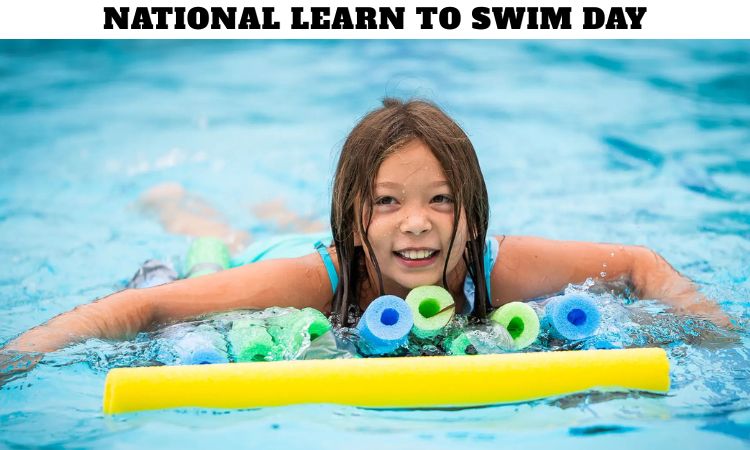
Swimming is more than a recreational activity. It is a life-saving skill, a full-body workout, and a confidence-building experience for people of all ages. National Learn to Swim Day, observed every year on May 16, highlights the importance of water safety education and encourages children and adults to learn how to swim properly. Across communities, schools, swim academies, and fitness centers, this awareness day reminds families that swimming lessons can prevent accidents and create lifelong healthy habits.
From reducing drowning risks to improving physical fitness, swimming remains one of the most beneficial skills a person can develop. National Learn to Swim Day brings attention to the importance of early swimming education and proper water safety training for everyone.
What Is National Learn to Swim Day?
National Learn to Swim Day is an annual observance dedicated to promoting swimming education and water safety awareness. The day encourages parents, schools, instructors, and community organizations to prioritize swimming lessons for children and adults.
The purpose of this observance is simple yet powerful: helping people become safer and more confident in and around water. Every year, awareness campaigns focus on reducing drowning incidents and teaching life-saving water survival skills.
Swimming is not limited to competitive sports or summer fun. It is a critical skill that can save lives during emergencies in pools, rivers, beaches, and lakes. National Learn to Swim Day serves as a reminder that everyone should have access to proper swimming education regardless of age.
Why Is Learning to Swim So Important?
Learning to swim is essential because water-related accidents can happen unexpectedly. Many drowning incidents occur due to a lack of swimming ability and limited understanding of water safety rules.
Swimming lessons help individuals:
- Build water confidence
- Learn survival techniques
- Improve physical health
- Increase stamina and flexibility
- Develop coordination and balance
- Reduce fear of water
- Improve mental wellness
Children who learn swimming at an early age are more likely to feel comfortable around water and respond calmly during emergencies. Adults who learn to swim later in life also gain confidence and independence.
Swimming is considered one of the safest and most effective forms of exercise because it places minimal stress on joints while working the entire body.
How Does National Learn to Swim Day Promote Water Safety?
National Learn to Swim Day spreads awareness through educational programs, swimming workshops, public campaigns, and community events. Swim schools and aquatic centers often organize free trial classes, safety demonstrations, and family-friendly activities.
Water safety education includes:
- Understanding pool rules
- Learning floating techniques
- Recognizing water hazards
- Practicing rescue methods
- Using life jackets properly
- Supervising children near water
Parents are encouraged to enroll children in swimming classes early because basic swimming skills significantly reduce the risk of drowning.
Communities also use this day to educate people about CPR training and emergency response procedures related to water accidents.
Who Should Participate in National Learn to Swim Day?
National Learn to Swim Day is for everyone, regardless of age or swimming ability. Swimming lessons benefit:
Children
Young children learn basic survival skills, floating techniques, and confidence in shallow water.
Teenagers
Teenagers improve endurance, athletic ability, and advanced swimming techniques.
Adults
Adults who never learned swimming can overcome fear and gain a valuable life skill.
Seniors
Swimming provides low-impact exercise that supports joint health and cardiovascular fitness.
Families
Family swimming activities create stronger bonds while teaching safe water habits together.
The day encourages communities to make swimming education accessible and affordable for all.
What Are the Health Benefits of Swimming?
Swimming is one of the most complete forms of physical exercise. It engages multiple muscle groups while improving heart and lung health.
Some major health benefits include:
Improves Cardiovascular Health
Swimming strengthens the heart and improves blood circulation throughout the body.
Builds Muscle Strength
Water resistance helps tone muscles naturally without heavy strain.
Supports Weight Management
Swimming burns calories efficiently and supports healthy metabolism.
Enhances Flexibility
Regular swimming improves flexibility and joint mobility.
Reduces Stress
Swimming relaxes the body and promotes mental calmness.
Boosts Endurance
Consistent swimming increases stamina and energy levels over time.
Many doctors and fitness experts recommend swimming because it suits people of different ages and fitness levels.
How Can Parents Encourage Children to Learn Swimming?
Parents play an important role in helping children feel comfortable around water. Positive encouragement and regular practice can build confidence gradually.
Ways parents can encourage swimming include:
- Starting lessons at a young age
- Choosing certified swimming instructors
- Making pool activities fun
- Practicing water safety regularly
- Praising progress and effort
- Participating in family swim sessions
Children often learn faster when they feel supported and relaxed. Avoid forcing fearful children into deep water too quickly. Patience and consistency are essential for successful learning.
What Are the Essential Water Safety Rules Everyone Should Follow?
Water safety is a major focus of National Learn to Swim Day. Following basic safety rules can prevent many accidents.
Important water safety rules include:
- Never swim alone
- Supervise children at all times
- Learn CPR and rescue basics
- Avoid running near pools
- Use life jackets in open water
- Follow lifeguard instructions
- Avoid swimming during storms
- Stay within designated swimming areas
- Do not dive into unknown water depths
- Learn basic floating and breathing techniques
These simple precautions help create safer swimming environments for everyone.
How Can Adults Overcome Fear of Water?
Many adults avoid swimming because of fear or past negative experiences. However, swimming can still be learned at any age with proper instruction and patience.
Adults can overcome water fear by:
- Taking beginner-friendly lessons
- Starting in shallow water
- Practicing breathing exercises
- Learning floating techniques first
- Using supportive equipment if needed
- Building confidence gradually
Professional instructors understand how to help nervous learners progress safely. Small improvements eventually lead to greater comfort and independence in water.
Why Should Schools and Communities Support Swimming Education?
Schools and community organizations play a critical role in promoting water safety and swimming skills. Public swimming programs make lessons more accessible to families from different backgrounds.
Benefits of community swim programs include:
- Reduced drowning rates
- Increased physical activity
- Greater community awareness
- Better youth development
- Improved public health
Many schools integrate swimming into physical education programs because it teaches discipline, coordination, and confidence.
Community support ensures that swimming education reaches more people and creates safer environments around water.
How Is National Learn to Swim Day Celebrated?
People celebrate National Learn to Swim Day in various ways across the country. Swim schools, recreation centers, and families participate in activities designed to encourage learning and awareness.
Popular celebrations include:
- Swimming lessons
- Water safety workshops
- Pool safety demonstrations
- Family swim events
- Awareness campaigns
- Community competitions
- Lifeguard training sessions
Some organizations also provide discounted or free swim classes to encourage participation.
The day is not only educational but also motivational, inspiring more people to develop essential water survival skills.
What Makes Swimming a Lifelong Skill?
Swimming remains valuable throughout every stage of life. Unlike many sports or exercises, swimming adapts easily to different ages and fitness levels.
Children gain confidence and safety skills. Teenagers develop athletic strength and endurance. Adults benefit from stress relief and cardiovascular exercise. Seniors enjoy low-impact movement that supports mobility and health.
Because water activities are common during vacations, sports, and recreation, swimming becomes a lifelong practical skill that enhances safety and quality of life.
National Learn to Swim Day reminds everyone that it is never too early or too late to start learning.
In conclusion National Learn to Swim Day on May 16 highlights the importance of swimming education, water safety, and drowning prevention. Learning to swim is not just about recreation; it is a crucial life skill that protects individuals and families while improving overall health and confidence.
Whether someone is a beginner or an experienced swimmer, this awareness day encourages continued learning and safe water practices. By supporting swimming education in schools, communities, and families, we help create safer environments and healthier lifestyles for future generations.
Swimming saves lives, strengthens the body, and builds confidence that lasts a lifetime.
Frequently Asked Questions (FAQs)
1. When is National Learn to Swim Day celebrated?
National Learn to Swim Day is celebrated every year on May 16.
2. What is the purpose of National Learn to Swim Day?
The day promotes swimming education, water safety awareness, and drowning prevention.
3. Why is swimming considered an important life skill?
Swimming helps individuals stay safe around water and can save lives during emergencies.
4. Can adults learn to swim?
Yes, adults can learn swimming at any age with proper instruction and practice.
5. What are the health benefits of swimming?
Swimming improves cardiovascular health, muscle strength, flexibility, endurance, and mental wellness.
6. How can parents help children learn swimming?
Parents can enroll children in lessons early, encourage practice, and support water safety education.
7. What safety rules should swimmers follow?
Swimmers should never swim alone, follow lifeguard instructions, and supervise children near water.
8. Are swimming lessons necessary for young children?
Yes, early swimming lessons help children build water confidence and safety skills.
9. How do communities celebrate National Learn to Swim Day?
Communities organize swimming classes, water safety workshops, awareness campaigns, and family swim events.
10. Is swimming a good exercise for seniors?
Yes, swimming is a low-impact exercise that supports joint health and overall fitness for seniors.