

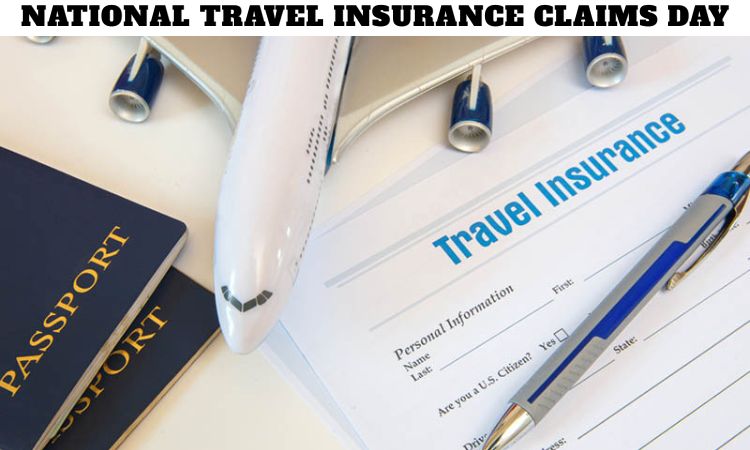
What Is National Travel Insurance Claims Day and Why Is It Observed on May 14?
National Travel Insurance Claims Day, observed annually on May 14, is a special awareness day focused on educating travelers about the importance of travel insurance and the claims process associated with travel-related emergencies and disruptions. The observance highlights how travel insurance can protect individuals financially when unexpected situations affect their travel plans.
Travel has become an essential part of modern life for tourism, business, education, and family visits. However, travel also carries risks such as flight cancellations, lost baggage, medical emergencies, natural disasters, and trip interruptions. National Travel Insurance Claims Day encourages travelers to understand how insurance coverage works and how claims can help recover losses during difficult situations.
The observance also promotes awareness about reading policy details carefully, keeping proper documentation, and understanding claim procedures before traveling.
As global travel continues expanding, travel insurance has become increasingly important for financial security and peace of mind.
What Is Travel Insurance and Why Is It Important?
Travel insurance is a type of insurance coverage designed to protect travelers against financial losses caused by unexpected events during trips. Policies vary depending on the provider and coverage plan, but they generally help reduce the financial impact of travel disruptions.
Travel insurance is important because unexpected situations can occur before or during a trip, including:
- Flight cancellations
- Medical emergencies
- Lost luggage
- Passport theft
- Natural disasters
- Trip delays
- Emergency evacuations
Without insurance coverage, travelers may face significant out-of-pocket expenses.
Travel insurance provides protection and support services that help travelers handle emergencies more effectively while traveling domestically or internationally.
What Is a Travel Insurance Claim?
A travel insurance claim is a formal request submitted to an insurance provider asking for reimbursement or financial assistance after a covered travel-related incident occurs.
Travelers typically file claims when they experience losses or emergencies covered under their policy.
Examples of common travel insurance claims include:
- Cancelled trips
- Medical treatment abroad
- Delayed flights
- Lost baggage
- Stolen belongings
- Emergency transportation costs
To process a claim, insurance companies usually require supporting documents such as receipts, medical reports, airline notices, or police reports.
Successful claims depend on meeting the policy’s terms and providing accurate information.
Why Do Travelers Often Need to File Insurance Claims?
Travelers file insurance claims because unexpected events can disrupt carefully planned trips and create financial burdens.
Common travel problems that lead to claims include:
- Severe weather disruptions
- Airline operational issues
- Illness or injury
- Lost passports
- Theft during travel
- Political unrest
- Family emergencies
Medical emergencies are among the most expensive travel risks, especially when traveling internationally where healthcare costs may be high.
Claims help travelers recover eligible expenses and reduce financial stress caused by unforeseen situations.
National Travel Insurance Claims Day encourages travelers to prepare for these possibilities before leaving home.
How Does the Travel Insurance Claims Process Work?
The travel insurance claims process generally involves several important steps. Travelers must notify their insurance provider and submit documentation proving the loss or emergency.
Typical claim steps include:
- Reporting the incident
- Contacting the insurance company
- Completing claim forms
- Submitting supporting documents
- Waiting for claim review
- Receiving reimbursement if approved
Supporting documents may include:
- Airline cancellation notices
- Medical records
- Receipts
- Hotel invoices
- Police reports
- Travel itineraries
Insurance companies evaluate whether the incident falls within the policy’s covered conditions before approving reimbursement.
Understanding the claims process in advance helps travelers avoid delays and confusion during emergencies.
What Types of Coverage Are Common in Travel Insurance Policies?
Travel insurance policies vary widely, but many include several common forms of coverage.
Typical travel insurance protections include:
- Trip cancellation coverage
- Trip interruption coverage
- Emergency medical expenses
- Emergency evacuation
- Lost baggage protection
- Travel delay reimbursement
- Accidental death coverage
Some policies also provide optional coverage for adventure sports, rental cars, or business travel.
Travelers should carefully review policy details to understand exclusions, coverage limits, and claim requirements.
Choosing the right policy depends on destination, trip length, activities, and personal needs.
Why Is Documentation Important When Filing Travel Insurance Claims?
Documentation is critical because insurance providers require evidence to verify claims and determine eligibility for reimbursement.
Important documents often include:
- Receipts
- Boarding passes
- Medical records
- Airline communications
- Hotel invoices
- Police reports
- Proof of payment
Without proper documentation, claims may be delayed or denied.
Travelers are encouraged to keep both physical and digital copies of important travel records throughout their trip.
Organized documentation helps simplify the claims process and increases the chances of successful reimbursement.
National Travel Insurance Claims Day reminds travelers to prepare records carefully before and during travel.
How Can Travelers Avoid Common Travel Insurance Claim Mistakes?
Many travel insurance claims are delayed or rejected because of avoidable mistakes.
Common claim mistakes include:
- Waiting too long to report incidents
- Failing to save receipts
- Misunderstanding policy exclusions
- Providing incomplete information
- Purchasing coverage too late
- Ignoring medical reporting requirements
Travelers can avoid these issues by reading policy terms carefully and following insurer instructions during emergencies.
Understanding what is covered before travel begins is especially important because not all situations qualify for reimbursement.
Preparation and attention to detail help travelers navigate claims more effectively.
Why Has Travel Insurance Become More Important in Recent Years?
Travel insurance has gained greater importance because global travel has become more complex and unpredictable.
Several factors increased awareness about travel protection:
- Flight disruptions
- Extreme weather events
- Global health concerns
- Political instability
- Rising medical costs abroad
- Increased international travel
Many travelers now recognize that emergencies can occur unexpectedly, even during carefully planned vacations or business trips.
Travel insurance provides reassurance and financial protection during uncertain situations.
The growing travel industry has also led to increased consumer awareness about insurance benefits and claims procedures.
How Do Insurance Companies Evaluate Travel Claims?
Insurance companies evaluate travel claims by reviewing policy terms and supporting evidence submitted by the traveler.
Claim evaluators typically examine:
- Whether the incident is covered
- Accuracy of documentation
- Timing of the claim
- Proof of expenses
- Compliance with policy conditions
Insurance providers may request additional information if documents are incomplete or unclear.
Claims are usually approved when travelers provide sufficient evidence and meet all policy requirements.
The evaluation process helps prevent fraud while ensuring eligible travelers receive proper compensation.
Understanding how claims are reviewed helps travelers prepare stronger and more organized submissions.
How Can Travelers Choose the Right Travel Insurance Policy?
Choosing the right travel insurance policy requires careful consideration of travel plans, destinations, and personal risks.
Important factors to evaluate include:
- Medical coverage limits
- Trip cancellation protection
- Emergency evacuation services
- Coverage exclusions
- Deductibles
- Adventure activity coverage
- Customer support availability
Travelers should compare policies from different providers and review customer experiences before purchasing coverage.
Frequent travelers may also consider annual multi-trip policies for broader protection.
Selecting appropriate coverage before departure can significantly reduce stress during emergencies.
Why Does National Travel Insurance Claims Day Continue to Gain Attention?
National Travel Insurance Claims Day continues gaining attention because more people now understand the financial risks associated with modern travel. Travel disruptions, medical emergencies, and unexpected events can create significant expenses without proper insurance coverage.
The observance encourages travelers to become informed consumers by understanding:
- Insurance policies
- Coverage limitations
- Claims procedures
- Emergency preparedness
As tourism and international travel continue growing, travel insurance education becomes increasingly important for travelers of all ages.
The day also highlights the importance of preparation, documentation, and financial responsibility while traveling.
National Travel Insurance Claims Day serves as a reminder that responsible travel planning includes understanding how to protect oneself from unexpected situations and how to navigate the claims process effectively when emergencies arise.
Frequently Asked Questions (FAQs)
1. When is National Travel Insurance Claims Day observed?
National Travel Insurance Claims Day is observed every year on May 14.
2. What is travel insurance?
Travel insurance is coverage that protects travelers from financial losses caused by travel-related emergencies or disruptions.
3. What is a travel insurance claim?
A travel insurance claim is a request for reimbursement after a covered travel incident occurs.
4. Why is travel insurance important?
It helps protect travelers from unexpected expenses such as medical emergencies, cancellations, and lost baggage.
5. What documents are needed for a travel insurance claim?
Documents may include receipts, medical records, airline notices, and police reports.
6. What are common reasons for travel insurance claims?
Common reasons include trip cancellations, medical emergencies, delayed flights, and lost luggage.
7. Can travel insurance cover international medical expenses?
Yes, many policies provide emergency medical coverage for international travel.
8. Why are some travel insurance claims denied?
Claims may be denied due to missing documents, policy exclusions, or incomplete information.
9. How can travelers avoid claim problems?
Travelers should keep records, understand policy terms, and report incidents promptly.
10. Why is National Travel Insurance Claims Day important?
The observance promotes awareness about travel protection and the importance of understanding insurance claims.