

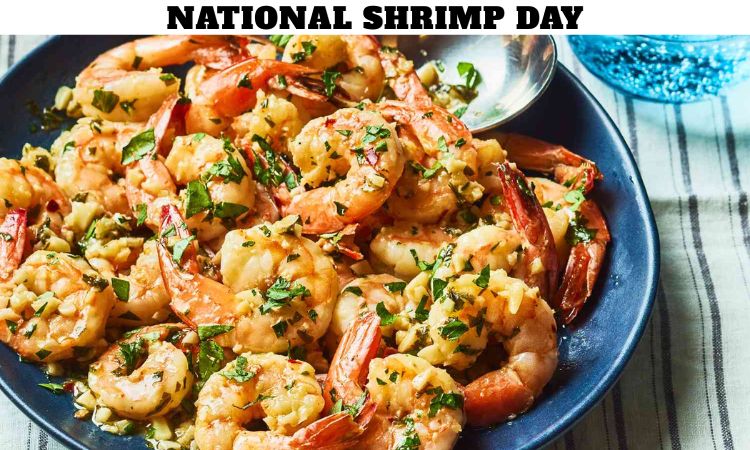
What Is National Shrimp Day, and Why Is It Celebrated on May 10?
National Shrimp Day, celebrated every year on May 10, is a delicious food holiday dedicated to one of the world’s most popular seafood choices. Shrimp has earned a special place in global cuisine because of its versatility, rich flavor, quick cooking time, and nutritional value. On this day, seafood lovers gather to enjoy shrimp dishes ranging from grilled shrimp and shrimp cocktails to shrimp pasta, curries, tacos, and fried shrimp platters.
The celebration recognizes the importance of shrimp in culinary traditions, the seafood industry, coastal economies, and international trade. Restaurants, seafood markets, chefs, and home cooks use National Shrimp Day as an opportunity to showcase creative recipes and honor the cultural significance of shrimp-based dishes.
Shrimp remains one of the most consumed seafood products in the world, making National Shrimp Day an important occasion for food enthusiasts and the seafood industry alike.
How Did National Shrimp Day Begin?
The exact origin of National Shrimp Day is not clearly documented, but the holiday likely emerged from the growing popularity of shrimp in American cuisine and the expanding seafood industry. As shrimp became increasingly common in restaurants, supermarkets, and home kitchens, food lovers began celebrating its unique culinary appeal through a dedicated annual observance.
National food holidays often gain momentum through restaurants, chefs, food bloggers, and culinary organizations promoting awareness and appreciation for specific foods. Shrimp’s widespread popularity made it a natural candidate for celebration.
Over the years, National Shrimp Day has become an occasion for seafood promotions, restaurant specials, cooking demonstrations, and social gatherings centered around shrimp dishes.
Why Is Shrimp One of the Most Popular Seafood Choices?
Shrimp is popular because it combines excellent taste with versatility and convenience. It can be prepared in countless ways and pairs well with a wide variety of ingredients, spices, and sauces.
Several reasons contribute to shrimp’s popularity:
- Quick cooking time
- Mild and adaptable flavor
- High protein content
- Low calorie count
- Availability in global markets
- Compatibility with multiple cuisines
Shrimp can be grilled, fried, steamed, baked, sautéed, or boiled. It works equally well in appetizers, soups, salads, rice dishes, pasta recipes, and street foods.
Its soft texture and ability to absorb seasonings make it a favorite ingredient among chefs and home cooks worldwide.
What Are the Nutritional Benefits of Shrimp?
Shrimp is not only delicious but also highly nutritious. It contains essential nutrients that support overall health while remaining relatively low in calories and fat.
Nutritional benefits of shrimp include:
- High-quality protein
- Omega-3 fatty acids
- Vitamin B12
- Selenium
- Phosphorus
- Iodine
- Antioxidants
Protein helps support muscle growth and tissue repair, while omega-3 fatty acids contribute to heart and brain health. Shrimp also contains astaxanthin, an antioxidant that may help reduce inflammation and oxidative stress.
Because shrimp is low in carbohydrates and calories, it is commonly included in balanced diets and fitness meal plans.
How Is National Shrimp Day Celebrated?
National Shrimp Day is celebrated in restaurants, homes, seafood festivals, and culinary schools through various food-related activities.
Popular ways to celebrate include:
- Cooking shrimp recipes at home
- Dining at seafood restaurants
- Hosting seafood parties
- Trying international shrimp dishes
- Sharing recipes online
- Attending seafood festivals
- Supporting local seafood markets
Many restaurants offer special shrimp menus and discounts on National Shrimp Day. Seafood lovers often experiment with different cooking styles, including Cajun shrimp, garlic butter shrimp, shrimp scampi, tempura shrimp, and shrimp fried rice.
Food bloggers and chefs also use the occasion to introduce creative shrimp recipes and cooking techniques.
What Are the Most Famous Shrimp Dishes Around the World?
Shrimp is featured in countless international cuisines and regional specialties. Different cultures prepare shrimp using local spices, cooking methods, and culinary traditions.
Some famous shrimp dishes include:
- Shrimp Scampi – Italy and America
- Paella – Spain
- Tempura Shrimp – Japan
- Tom Yum Goong – Thailand
- Shrimp Gumbo – Louisiana
- Garlic Butter Shrimp – Global
- Shrimp Tacos – Mexico
- Prawn Curry – India
- Coconut Shrimp – Caribbean
- Shrimp Fried Rice – China
These dishes highlight shrimp’s remarkable versatility and global culinary appeal. Every region adds its own flavors and traditions, making shrimp one of the most internationally celebrated seafood ingredients.
Why Is Shrimp Important to the Global Seafood Industry?
Shrimp plays a major role in the global seafood economy. Millions of people depend on shrimp farming, fishing, processing, transportation, and restaurant businesses for their livelihoods.
The shrimp industry contributes to:
- International trade
- Employment opportunities
- Coastal economic development
- Food exports
- Restaurant and tourism industries
Countries such as India, Thailand, Vietnam, Ecuador, Indonesia, and China are major producers and exporters of shrimp worldwide. Shrimp farming has become one of the fastest-growing sectors in aquaculture.
The popularity of shrimp in restaurants and retail markets continues to drive global demand and industry expansion.
How Is Shrimp Farmed and Harvested?
Shrimp is obtained through both wild fishing and aquaculture farming. Modern shrimp farming involves raising shrimp in controlled ponds or tanks where water quality, feeding, and environmental conditions are carefully managed.
Shrimp farming typically includes:
- Breeding and hatchery management
- Pond cultivation
- Feeding programs
- Water monitoring
- Harvesting and processing
Wild shrimp fishing involves catching shrimp in oceans, coastal waters, and estuaries using specialized nets and fishing vessels.
Sustainable shrimp farming practices have become increasingly important as environmental concerns and consumer awareness continue to grow worldwide.
What Challenges Does the Shrimp Industry Face?
Despite its success, the shrimp industry faces several challenges related to sustainability, environmental impact, and market competition.
Major challenges include:
- Overfishing
- Water pollution
- Habitat destruction
- Disease outbreaks in shrimp farms
- Climate change impacts
- Rising production costs
Sustainable seafood practices are becoming essential for protecting marine ecosystems and ensuring long-term industry growth. Many seafood organizations now encourage responsible sourcing and eco-friendly farming techniques.
Consumers are also paying closer attention to certifications and sustainability standards when purchasing seafood.
How Does Shrimp Influence Culinary Culture?
Shrimp has become deeply integrated into culinary traditions across the world. It appears in both fine dining restaurants and everyday home cooking because of its affordability, accessibility, and adaptability.
In many coastal regions, shrimp symbolizes local identity and food heritage. Seafood festivals often feature shrimp-centered recipes and cooking competitions that celebrate regional cuisine.
Chefs appreciate shrimp because it cooks quickly and absorbs flavors effectively, making it ideal for experimentation with herbs, spices, sauces, and marinades.
National Shrimp Day helps preserve and promote these culinary traditions while encouraging people to explore global seafood cuisine.
Why Is Shrimp Popular in Modern Healthy Diets?
Modern consumers increasingly choose shrimp as part of healthy meal plans because it offers lean protein and essential nutrients without excessive calories.
Shrimp fits well into:
- Low-carb diets
- High-protein meal plans
- Mediterranean diets
- Fitness nutrition programs
- Balanced seafood diets
Its nutritional profile makes it suitable for individuals seeking healthier alternatives to heavily processed foods. Shrimp can be paired with vegetables, rice, whole grains, and salads for balanced meals.
As awareness of healthy eating continues to grow, shrimp remains a preferred seafood option among health-conscious consumers.
Why Does National Shrimp Day Continue to Gain Popularity?
National Shrimp Day continues to grow in popularity because shrimp remains one of the most loved seafood ingredients globally. The holiday appeals to food lovers, chefs, seafood businesses, and families looking to enjoy flavorful meals together.
Social media and food blogging have also contributed to the holiday’s expansion. People share shrimp recipes, restaurant experiences, and cooking tips online, increasing awareness and participation each year.
The combination of culinary creativity, nutritional value, and cultural significance ensures that shrimp will continue to hold an important place in kitchens and celebrations around the world.
National Shrimp Day is ultimately a celebration of seafood culture, global cuisine, and the universal enjoyment of delicious shrimp dishes.
Frequently Asked Questions (FAQs)
1. What is National Shrimp Day?
National Shrimp Day is a food holiday celebrated on May 10 to honor shrimp and its importance in global cuisine.
2. When is National Shrimp Day celebrated?
National Shrimp Day is celebrated annually on May 10.
3. Why is shrimp so popular?
Shrimp is popular because it is flavorful, versatile, nutritious, and easy to cook.
4. Is shrimp healthy to eat?
Yes, shrimp is rich in protein, vitamins, minerals, and omega-3 fatty acids while being low in calories.
5. How do people celebrate National Shrimp Day?
People celebrate by cooking shrimp dishes, visiting seafood restaurants, and sharing recipes.
6. What are some famous shrimp dishes?
Popular shrimp dishes include shrimp scampi, shrimp tacos, paella, tempura shrimp, and shrimp curry.
7. Which countries produce the most shrimp?
Major shrimp-producing countries include India, Thailand, Vietnam, Ecuador, and China.
8. Can shrimp be farmed sustainably?
Yes, many farms now use sustainable aquaculture practices to reduce environmental impact.
9. What nutrients are found in shrimp?
Shrimp contains protein, selenium, vitamin B12, phosphorus, iodine, and omega-3 fatty acids.
10. Why is National Shrimp Day important?
The holiday celebrates shrimp’s culinary, cultural, and economic importance worldwide.