

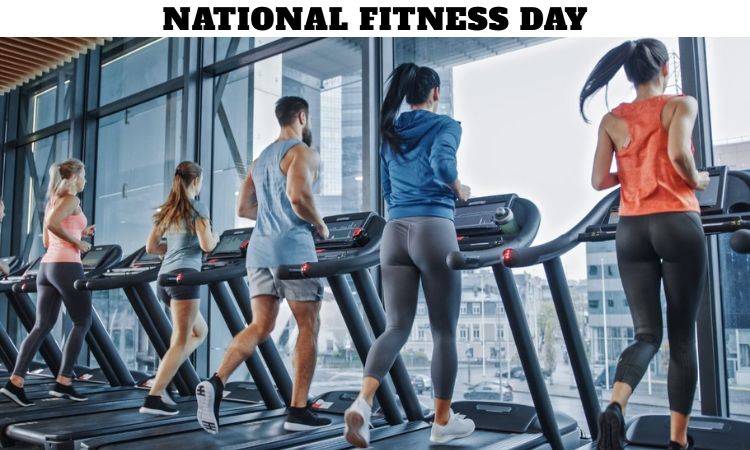
National Fitness Day, celebrated annually on May 2, is a powerful reminder that our physical health is one of our greatest assets. This important observance encourages us to embrace movement, prioritize wellness, and build habits that strengthen both body and mind. In a world where sedentary lifestyles, stress, and unhealthy routines have become increasingly common, National Fitness Day serves as a wake-up call to recommit ourselves to healthier living.
Across communities, schools, workplaces, and homes, this day inspires us to focus on exercise, nutrition, mental resilience, and preventive health. Whether we are seasoned athletes or beginners taking our first steps toward fitness, National Fitness Day offers an inclusive opportunity to recognize that every movement matters.
What Is National Fitness Day and Why Does It Matter?
National Fitness Day is dedicated to promoting the importance of regular physical activity and healthy lifestyle choices. It is more than just a celebration of exercise; it is a nationwide effort to encourage people of all ages to understand that fitness is essential for a better quality of life.
This day highlights how staying active can improve cardiovascular health, strengthen muscles, enhance flexibility, boost immunity, and reduce the risk of chronic diseases such as obesity, diabetes, and hypertension. Fitness is also deeply connected to emotional well-being, reducing anxiety and improving mood through the release of endorphins.
By participating in National Fitness Day, we acknowledge that health is not a short-term goal but a lifelong commitment.
How Did National Fitness Day Begin?
National Fitness Day emerged from growing awareness about public health challenges associated with inactivity. As health professionals and organizations recognized the increasing prevalence of lifestyle-related diseases, initiatives were developed to encourage physical engagement.
The day was established to unite people through accessible physical activities, educational programs, and community events. Over time, it has evolved into a broad movement emphasizing that fitness should be achievable for everyone, regardless of age, fitness level, or socioeconomic background.
Its continued popularity reflects society’s recognition that healthier individuals create healthier communities.
Why Is Physical Fitness Essential for Daily Life?
Physical fitness impacts nearly every aspect of life. When we maintain our fitness, we experience:
- Improved energy levels: Regular movement enhances stamina and reduces fatigue.
- Better mental clarity: Exercise supports cognitive performance and concentration.
- Disease prevention: Active lifestyles lower the risk of many serious illnesses.
- Enhanced mobility: Strong muscles and joints improve flexibility and reduce injury.
- Emotional balance: Fitness helps combat depression and stress.
Fitness is not limited to gym memberships or intense sports. Walking, cycling, yoga, swimming, dancing, and stretching all contribute to overall health.
How Can We Celebrate National Fitness Day Effectively?
National Fitness Day can be celebrated in meaningful ways that suit different lifestyles. We can participate by:
- Joining fitness classes: Yoga, Zumba, aerobics, or martial arts sessions.
- Organizing workplace wellness challenges: Step competitions or group walks.
- Exploring outdoor activities: Hiking, cycling, or running in parks.
- Practicing mindful movement: Meditation combined with stretching.
- Setting personal goals: Starting a new exercise routine.
The key is consistency rather than intensity. Small daily improvements often lead to long-term success.
What Are the Best Exercises to Start on National Fitness Day?
For beginners, starting simple is the most sustainable path. Effective beginner-friendly exercises include:
- Walking: A low-impact cardiovascular activity.
- Bodyweight exercises: Squats, lunges, and push-ups.
- Yoga: Improves flexibility and mental wellness.
- Cycling: Excellent for endurance and joint-friendly movement.
- Swimming: Full-body conditioning with minimal stress on joints.
These activities help establish a foundation without overwhelming the body.
How Does Nutrition Support Fitness Goals?
National Fitness Day also emphasizes the importance of balanced nutrition. Exercise alone cannot maximize health without proper dietary support.
A fitness-supportive diet includes:
- Lean proteins: Chicken, fish, beans, tofu.
- Complex carbohydrates: Whole grains, oats, brown rice.
- Healthy fats: Avocados, nuts, olive oil.
- Hydration: Water is crucial for muscle function and recovery.
- Vitamins and minerals: Fruits and vegetables provide essential nutrients.
When nutrition and physical activity work together, we create sustainable wellness.
Can Fitness Improve Mental Health?
One of the most significant yet often overlooked benefits of fitness is its impact on mental health. Physical activity stimulates neurotransmitters like serotonin and dopamine, which promote happiness and relaxation.
Regular fitness can help reduce:
- Stress
- Anxiety
- Depression symptoms
- Sleep disorders
National Fitness Day reminds us that movement is medicine not only for the body but also for the mind.
How Can Families Participate Together?
Fitness becomes more sustainable when families engage together. National Fitness Day can be a family event that encourages healthy habits across generations.
Ideas include:
- Family walks or bike rides
- Backyard sports games
- Dance sessions
- Healthy cooking challenges
- Weekend hikes
By making fitness enjoyable, children develop positive associations with health early in life.
What Role Do Schools and Workplaces Play in Fitness Awareness?
Educational institutions and workplaces are powerful platforms for promoting fitness. Schools can organize sports events, while offices can introduce wellness breaks, ergonomic practices, and fitness challenges.
Encouraging movement in these environments reduces burnout, boosts productivity, and creates healthier cultures.
National Fitness Day is an ideal occasion for institutions to reinforce the value of physical well-being.
How Do We Build Long-Term Fitness Habits Beyond May 2?
The true success of National Fitness Day lies in what happens after the celebration. Lasting fitness habits require:
- Realistic goals
- Scheduled workouts
- Accountability partners
- Variety in exercise
- Rest and recovery
Consistency transforms occasional effort into a lifestyle change. Fitness is not about perfection but persistence.
Why Is National Fitness Day Important for Society?
A healthier population contributes to stronger communities, lower healthcare costs, and improved quality of life. National Fitness Day inspires collective action toward wellness, proving that public health begins with personal responsibility.
By prioritizing movement, balanced nutrition, and mental resilience, we create a future where wellness is accessible to all.
Frequently Asked Questions (FAQs)
1. When is National Fitness Day celebrated?
National Fitness Day is celebrated every year on May 2.
2. What is the purpose of National Fitness Day?
Its purpose is to encourage people to prioritize physical activity, health, and wellness.
3. Who can participate in National Fitness Day?
People of all ages and fitness levels can participate.
4. Do we need a gym membership to celebrate?
No, walking, yoga, home workouts, or outdoor sports are all excellent options.
5. Why is fitness important?
Fitness improves physical health, mental well-being, and overall quality of life.
6. What are simple ways to start fitness?
Walking, stretching, cycling, and bodyweight exercises are effective starting points.
7. Can children participate in National Fitness Day?
Yes, children are encouraged to join through sports and active play.
8. Does nutrition matter on National Fitness Day?
Yes, balanced nutrition supports exercise and overall health.
9. How does exercise affect mental health?
Exercise reduces stress, boosts mood, and improves emotional resilience.
10. How can we maintain fitness year-round?
By creating consistent exercise routines, eating well, and staying motivated.