

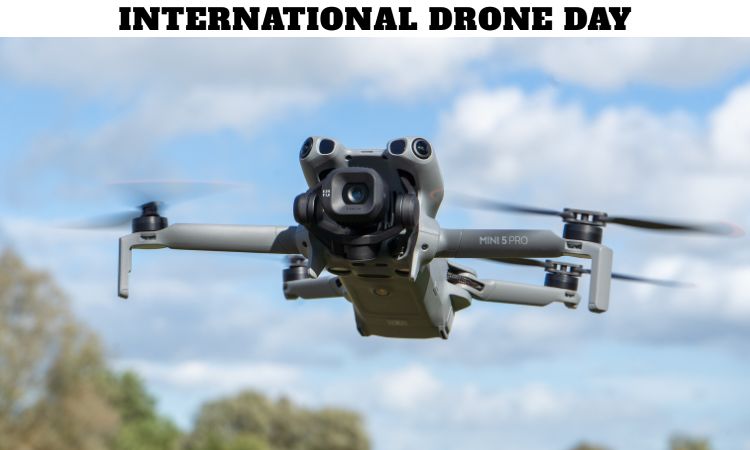
What Is International Drone Day and Why Is It Celebrated on May 2?
International Drone Day, observed annually in early May and widely recognized around May 2, is a global celebration of drone technology, innovation, education, and community engagement. This special day highlights how drones—also known as unmanned aerial vehicles (UAVs)—have transformed industries, expanded creativity, improved safety, and opened new possibilities in fields ranging from photography to agriculture, logistics, defense, environmental monitoring, and emergency response.
International Drone Day was created to bring together drone enthusiasts, engineers, educators, hobbyists, and businesses to showcase the positive impact of drones while encouraging responsible flying practices. It is not just about recreational flying; it is about recognizing how drone technology is shaping the future of transportation, communication, science, and exploration.
As drone adoption continues to rise globally, this observance provides an opportunity to explore both the remarkable capabilities and the ethical responsibilities associated with this rapidly evolving technology.
How Did International Drone Day Begin?
International Drone Day was first launched in 2015 by drone enthusiasts seeking to promote the benefits of drones and create public awareness about their practical uses beyond military or surveillance purposes. Organized events quickly spread across countries, with coordinated drone meetups, demonstrations, educational workshops, and community gatherings.
The goal was simple: to celebrate innovation while educating the public about drones as tools for creativity, business, and humanitarian support.
Over time, International Drone Day evolved into a broader recognition of how UAV technology influences industries worldwide. Today, drone showcases often include:
- Aerial photography exhibitions
- Racing competitions
- STEM education programs
- Search-and-rescue demonstrations
- Agricultural technology presentations
- Commercial drone innovation expos
This global movement has helped shift public perception toward understanding drones as versatile tools with transformative potential.
What Exactly Is a Drone?
A drone is an aircraft or flying device that operates without an onboard human pilot. It may be remotely controlled or autonomously programmed using software, GPS, sensors, and artificial intelligence.
Drones come in various forms, including:
- Consumer quadcopters
- Racing drones
- Professional cinematography drones
- Delivery drones
- Agricultural drones
- Military UAVs
- Scientific research drones
Modern drones often include advanced features such as:
- GPS navigation
- High-definition cameras
- Obstacle avoidance
- Thermal imaging
- Autonomous flight paths
- AI-assisted controls
These technologies have dramatically expanded the utility of drones across multiple sectors.
Why Are Drones So Important in Modern Society?
Drones have become increasingly essential because they provide safer, faster, and more cost-effective solutions to challenges that once required expensive equipment or human risk.
Major applications include:
- Photography and Filmmaking: Drones revolutionized aerial videography, making cinematic visuals accessible.
- Agriculture: Farmers use drones for crop monitoring, spraying, and land analysis.
- Emergency Response: Drones assist in locating missing persons, delivering medical supplies, and conducting disaster assessments.
- Infrastructure Inspection: Bridges, power lines, pipelines, and construction sites can be surveyed safely.
- Environmental Conservation: Wildlife tracking, forest monitoring, and climate research benefit significantly.
- Delivery Services: Companies are exploring drone logistics for faster shipping.
International Drone Day celebrates these advancements and encourages a broader understanding of their practical value.
How Have Drones Changed Photography and Creative Industries?
Perhaps one of the most visible impacts of drones is in visual storytelling. Aerial footage once required helicopters or expensive aircraft, but drones democratized this capability.
Today, drones are used in:
- Weddings
- Real estate marketing
- Tourism promotion
- Sports broadcasting
- News coverage
- Documentary filmmaking
Drone cinematography has transformed how we capture landscapes, cities, and events, offering perspectives once impossible for everyday creators.
What Role Do Drones Play in Public Safety?
Public safety agencies increasingly rely on drones because they improve operational efficiency while reducing human danger.
Examples include:
- Firefighters mapping wildfires
- Police conducting search operations
- Coast guards are locating stranded individuals
- Disaster teams assessing flood or earthquake damage
- Medical supplies drop in remote areas
In critical emergencies, drones can provide immediate situational awareness, helping responders act faster and more effectively.
What Are the Challenges and Risks Associated With Drones?
Despite their benefits, drones also present challenges that require regulation and education.
Key concerns include:
- Privacy violations
- Airspace interference
- Safety hazards near airports
- Illegal surveillance
- Weaponization
- Noise pollution
- Cybersecurity vulnerabilities
Responsible drone use is essential. International Drone Day also promotes adherence to aviation laws, pilot certification, and ethical standards.
How Are Drone Laws Regulated Around the World?
Most countries have introduced drone regulations to ensure safe and lawful operation. These laws often cover:
- Maximum flight altitude
- No-fly zones
- Registration requirements
- Commercial pilot licensing
- Privacy compliance
- Visual line-of-sight rules
For example, many nations prohibit drone flights near airports, military zones, or crowded urban areas without authorization.
Understanding and respecting these regulations is a central part of responsible drone culture.
What Is the Future of Drone Technology?
Drone innovation continues to accelerate with breakthroughs in:
- Artificial intelligence
- Autonomous navigation
- Swarm technology
- Urban air mobility
- Drone taxis
- Medical logistics
- Precision agriculture
In the coming years, drones may become even more integrated into daily life through package delivery, infrastructure automation, environmental restoration, and advanced transportation systems.
International Drone Day reminds us that drones are not merely gadgets—they are part of a broader technological revolution.
How Can People Celebrate International Drone Day?
There are many ways to participate:
- Attend drone expos
- Join community fly-ins
- Learn drone safety rules
- Explore drone photography
- Participate in STEM workshops
- Support educational drone programs
- Watch racing events
- Advocate for ethical innovation
For beginners, this day is an ideal opportunity to learn about drone basics, regulations, and career opportunities.
Why Does International Drone Day Matter in a Technological Age?
International Drone Day matters because it highlights innovation with purpose. Drones symbolize how technology can solve practical problems, improve efficiency, and unlock creative possibilities when used responsibly.
This observance encourages:
- Public education
- Safe operation
- Technological curiosity
- Economic innovation
- Ethical awareness
As drone technology evolves, society must balance progress with responsibility, ensuring drones remain tools for positive advancement.
Frequently Asked Questions (FAQs)
1. When is International Drone Day celebrated?
International Drone Day is commonly celebrated in early May, often around May 2.
2. What is a drone?
A drone is an unmanned aerial vehicle operated remotely or autonomously.
3. Why was International Drone Day created?
It was created to celebrate drone innovation and educate the public.
4. What industries use drones?
Industries include photography, agriculture, logistics, construction, defense, and emergency services.
5. Are drones legal everywhere?
Drone laws vary by country, and operators must follow local regulations.
6. Can drones be used commercially?
Yes, many businesses use drones for commercial purposes with proper licensing.
7. What are the risks of drones?
Risks include privacy issues, accidents, and misuse.
8. Do drones require registration?
In many countries, certain drones must be registered.
9. What is the future of drones?
Future uses include autonomous delivery, air taxis, and advanced public safety systems.
10. How can beginners start with drones?
Beginners can learn through safety courses, local regulations, and entry-level drone practice.