

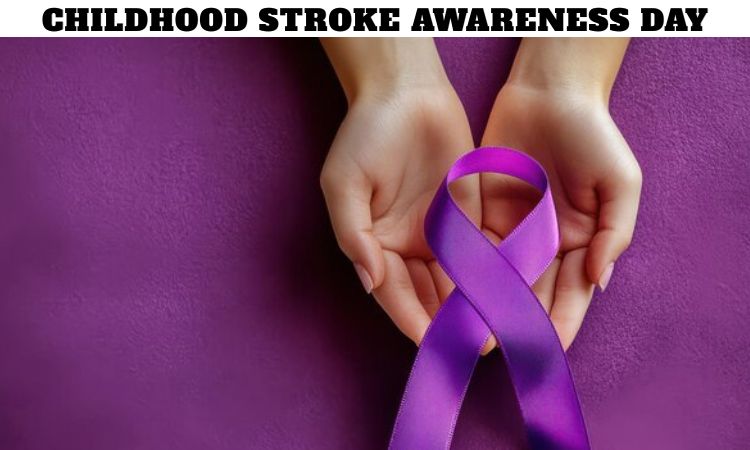
Childhood Stroke Awareness Day, observed annually on May 2, shines a vital spotlight on a serious yet often overlooked medical emergency that affects infants, children, and teenagers—pediatric stroke. While stroke is commonly associated with older adults, children can also suffer strokes, often with life-altering consequences. This awareness day is dedicated to educating families, healthcare professionals, educators, and communities about the signs, causes, prevention, and treatment of childhood stroke.
By recognizing Childhood Stroke Awareness Day, we help increase understanding of early diagnosis, improve treatment outcomes, support affected families, and advocate for more pediatric stroke research. This observance serves as a crucial reminder that stroke can happen at any age, and timely action can save lives and reduce long-term disability.
How Common Is Stroke in Children?
Although childhood stroke is less common than adult stroke, it is more prevalent than many people realize. Pediatric stroke affects approximately 1 in every 4,000 newborns and thousands of children each year globally. It can occur:
- Before birth (prenatal stroke)
- During infancy (perinatal stroke)
- During childhood and adolescence
Because symptoms in children may be mistaken for seizures, migraines, infections, or developmental disorders, diagnosis is often delayed. This delay can significantly impact recovery.
Childhood stroke is among the top ten causes of death in children and a leading cause of lifelong neurological disability.
What Causes a Stroke in Children?
A stroke occurs when blood flow to the brain is interrupted or when bleeding occurs in the brain. In children, causes often differ from those seen in adults.
Common causes include:
- Congenital heart defects
- Blood clotting disorders
- Sickle cell disease
- Head or neck trauma
- Infections such as meningitis
- Cerebral arteriopathy
- Autoimmune diseases
- Genetic disorders
There are two primary types of stroke in children:
Ischemic Stroke: Caused by blocked blood vessels
Hemorrhagic Stroke: Caused by bleeding in the brain
Understanding these causes is essential for prevention, early screening, and specialized treatment.
What Are the Warning Signs of Childhood Stroke?
Recognizing stroke symptoms quickly can make a major difference. The acronym FAST is often used for adults, but childhood stroke symptoms may vary.
Warning signs may include:
- Sudden weakness or numbness on one side of the body
- Facial drooping
- Difficulty speaking or understanding speech
- Severe headache
- Seizures, especially in newborns
- Trouble walking or loss of coordination
- Sudden vision problems
- Lethargy or altered consciousness
For infants, symptoms can include repetitive twitching, seizures, or early hand preference before age one.
Because symptoms may appear differently depending on age, awareness among parents and healthcare providers is critical.
Why Is Childhood Stroke Often Misdiagnosed?
One of the biggest challenges in pediatric stroke care is delayed recognition. Since stroke is not typically expected in children, symptoms may initially be attributed to less severe conditions.
Reasons for misdiagnosis include:
- Lack of public awareness
- Similar to epilepsy or migraines
- Limited pediatric stroke protocols
- Delayed neuroimaging
- Inconsistent emergency response
Increasing awareness through Childhood Stroke Awareness Day helps address this gap by encouraging parents and medical professionals to consider stroke as a possibility.
How Is Childhood Stroke Diagnosed?
Diagnosis requires immediate medical evaluation and specialized imaging.
Common diagnostic tools include:
- MRI (Magnetic Resonance Imaging)
- CT scans
- Blood tests
- Echocardiograms
- Angiography
- Clotting studies
Early diagnosis is essential because treatment strategies differ depending on whether the stroke is ischemic or hemorrhagic.
Pediatric neurologists, hematologists, cardiologists, and rehabilitation specialists often collaborate to create individualized treatment plans.
What Treatments Are Available for Childhood Stroke?
Treatment depends on the cause, type, and severity of the stroke.
Options may include:
- Blood thinners or anticoagulants
- Surgery for hemorrhagic stroke
- Treatment of underlying conditions
- Physical therapy
- Occupational therapy
- Speech therapy
- Psychological support
Recovery often involves long-term rehabilitation. Children’s brains possess remarkable neuroplasticity, meaning early intervention can significantly improve outcomes.
What Are the Long-Term Effects of Pediatric Stroke?
The long-term impact varies widely depending on the stroke’s location and severity.
Possible effects include:
- Paralysis or weakness
- Learning disabilities
- Speech and language difficulties
- Behavioral challenges
- Epilepsy
- Cognitive impairments
- Emotional struggles
Some children recover almost completely, while others require lifelong support. Family involvement, rehabilitation, and school accommodations are essential.
How Can Families Support a Child After a Stroke?
Families play a central role in recovery and emotional resilience.
Supportive actions include:
- Following rehabilitation plans
- Advocating for school resources
- Joining pediatric stroke support groups
- Monitoring emotional well-being
- Encouraging social inclusion
- Celebrating progress milestones
Parents and caregivers often become powerful advocates, helping spread awareness and improve systems of care.
Why Is Research and Awareness So Important?
Pediatric stroke research remains underfunded compared to adult stroke studies. Childhood Stroke Awareness Day helps drive attention toward:
- Better diagnostic tools
- Faster emergency response
- Improved rehabilitation therapies
- Genetic research
- Family support systems
Awareness can lead to earlier recognition, reduced disability, and stronger public health policies.
How Can We Participate in Childhood Stroke Awareness Day?
Everyone can help make a difference on May 2 by:
- Sharing educational resources
- Wearing awareness colors
- Supporting pediatric stroke foundations
- Participating in community events
- Advocating for school and hospital education
- Donating to research organizations
By spreading knowledge, we empower more families to recognize stroke symptoms and seek urgent care.
What Message Does Childhood Stroke Awareness Day Leave Us With?
Childhood Stroke Awareness Day reminds us that stroke does not discriminate by age. Every child deserves early recognition, specialized care, and the opportunity for the best possible recovery. Through education, advocacy, and compassion, we can transform outcomes for children and families affected by pediatric stroke.
Awareness is more than information—it is protection, preparedness, and hope.
Frequently Asked Questions (FAQs)
1. When is Childhood Stroke Awareness Day observed?
Childhood Stroke Awareness Day is observed every year on May 2.
2. Can children really have strokes?
Yes, strokes can occur in newborns, infants, children, and teenagers.
3. What causes childhood stroke?
Causes include heart defects, clotting disorders, infections, sickle cell disease, and trauma.
4. What are the symptoms of stroke in children?
Symptoms may include weakness, seizures, speech problems, headaches, or facial drooping.
5. Is childhood stroke rare?
It is uncommon but more frequent than many people realize.
6. Can a child recover from a stroke?
Many children improve significantly with early diagnosis and rehabilitation.
7. How is pediatric stroke diagnosed?
Doctors use MRI, CT scans, blood tests, and heart evaluations.
8. Are childhood strokes preventable?
Some risk factors can be managed, but not all strokes are preventable.
9. What is the biggest challenge in childhood stroke care?
Delayed diagnosis due to lack of awareness is a major challenge.
10. Why is Childhood Stroke Awareness Day important?
It promotes awareness, early recognition, family support, and research funding.