

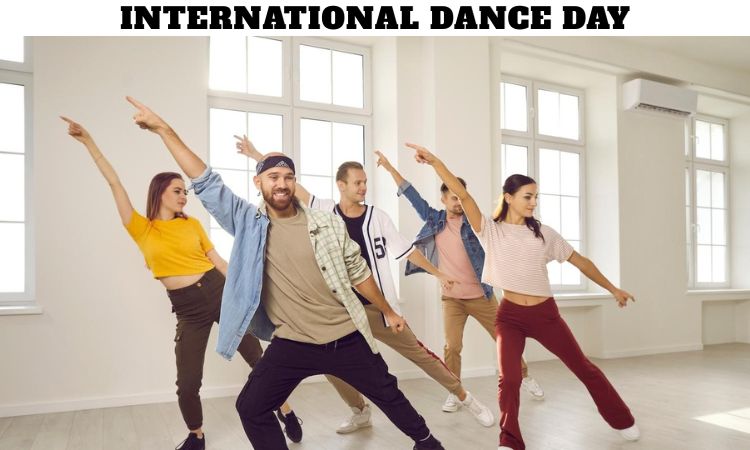
Every year on April 29, the world comes together to celebrate International Dance Day, a global occasion dedicated to honoring one of humanity’s oldest and most powerful art forms—dance. This day transcends borders, cultures, and languages, uniting people through rhythm, movement, and expression. Whether through ballet, hip-hop, salsa, Bharatanatyam, or folk traditions, dance reflects the spirit of civilization and remains a timeless medium of storytelling.
International Dance Day is more than a celebration; it is a tribute to the transformative power of dance in society, education, health, and cultural preservation. Across continents, dancers, choreographers, schools, and communities organize performances, workshops, and awareness campaigns that showcase dance’s profound impact on the human experience.
What Is International Dance Day and Why Is It Celebrated on April 29?
International Dance Day was established in 1982 by the Dance Committee of the International Theatre Institute (ITI), the main partner for the performing arts of UNESCO. The date of April 29 was chosen to commemorate the birthday of Jean-Georges Noverre (1727–1810), a visionary French dancer and choreographer widely regarded as the creator of modern ballet.
Noverre revolutionized dance by emphasizing emotional expression and narrative through movement, shifting ballet from rigid court entertainment to a dramatic art form. By choosing his birthday, International Dance Day symbolizes innovation, artistry, and the universal significance of dance.
The primary purpose of this day is to:
- Promote participation and education in dance
- Raise awareness of dance as an art form
- Encourage governments and institutions to recognize dance’s value
- Unite people globally through cultural exchange
How Does Dance Connect Cultures Across the World?
Dance serves as a universal language that communicates emotion, history, and identity without spoken words. Across every nation, dance traditions preserve heritage and celebrate communal values.
Examples include:
- Bharatanatyam in India, expressing devotion and mythology
- Flamenco in Spain, showcasing passion and resilience
- Samba in Brazil, symbolizing joy and celebration
- Hip-Hop in the United States, representing freedom and social voice
- Traditional African dances, preserving ancestral rituals
International Dance Day highlights these diverse traditions while promoting mutual respect and appreciation. Through performances and digital events, cultures can share their artistic heritage, fostering peace and understanding.
Why Is Dance Important for Physical and Mental Health?
Dance is not only artistic—it is a powerful tool for holistic well-being. Medical and wellness experts consistently recognize dance as an effective way to improve physical fitness and emotional resilience.
Physical Benefits:
- Enhances cardiovascular health
- Improves flexibility and coordination
- Builds muscle strength
- Supports weight management
- Boosts stamina
Mental Benefits:
- Reduces stress and anxiety
- Elevates mood through endorphin release
- Improves memory and cognitive function
- Builds confidence and self-expression
- Encourages social connection
On International Dance Day, many organizations emphasize dance therapy and inclusive programs for children, seniors, and individuals with disabilities.
How Has Dance Evolved Through History?
Dance has existed since prehistoric times, when movement played a role in rituals, ceremonies, and storytelling. Over centuries, it evolved alongside society:
Ancient Era:
Dance was used in spiritual worship, fertility rituals, and communal gatherings.
Medieval Period:
Religious and court dances became prominent in Europe and Asia.
Renaissance:
Structured dance forms like ballet emerged.
Modern Era:
Jazz, contemporary dance, street styles, and fusion genres transformed the global landscape.
Today, digital platforms such as social media have amplified dance’s reach, allowing choreography trends to spread worldwide instantly.
What Are the Most Popular Ways to Celebrate International Dance Day?
Communities worldwide celebrate April 29 with dynamic and inclusive activities.
Common Celebrations Include:
- Public dance performances
- Virtual dance challenges
- Free workshops and classes
- School cultural programs
- Flash mobs
- Dance competitions
- Social media campaigns using dance hashtags
Dance institutions often release special choreographies, while UNESCO-affiliated organizations advocate for increased arts funding and dance education.
How Does International Dance Day Support Professional Dancers?
For professional dancers, April 29 is an opportunity to showcase talent while raising awareness of the challenges within the dance industry, including:
- Limited funding
- Physical demands
- Career instability
- Access to training
The annual message from prominent dance figures often addresses the importance of protecting artistic freedom, supporting dancers’ rights, and preserving dance education.
What Role Does Dance Play in Education?
Dance education develops far more than technical skill. It nurtures:
- Discipline
- Creativity
- Teamwork
- Cultural literacy
- Emotional intelligence
Schools that integrate dance into curricula often see improved student engagement and confidence. International Dance Day encourages educational institutions to prioritize dance as an essential component of holistic development.
Why Is International Dance Day Relevant in the Digital Age?
Technology has transformed dance accessibility. Through platforms like YouTube, Instagram, and TikTok, dancers from any background can share their art globally. Online tutorials, virtual classes, and livestream performances have democratized dance education.
This digital evolution ensures that dance remains vibrant and adaptable while preserving traditional forms.
How Can We Participate in International Dance Day Meaningfully?
Meaningful participation goes beyond watching performances. We can:
- Learn a new dance style
- Support local dance schools
- Attend cultural showcases
- Share educational content
- Encourage children to explore dance
- Advocate for arts funding
By engaging actively, we contribute to preserving dance as both heritage and innovation.
What Is the Future of Dance Worldwide?
The future of dance lies in inclusivity, technology, and cultural preservation. Emerging trends include:
- AI-assisted choreography
- Virtual reality dance performances
- Cross-cultural collaborations
- Inclusive dance programs for all abilities
Despite technological advancements, the essence of dance remains deeply human—movement as expression, connection, and celebration.
Why Does International Dance Day Matter More Than Ever?
International Dance Day on April 29 reminds us that dance is far more than performance—it is identity, healing, communication, and unity. It bridges generations, preserves traditions, and inspires innovation. As we celebrate this extraordinary art form, we reaffirm dance’s enduring power to connect humanity across every border.
Frequently Asked Questions
1. When is International Dance Day celebrated?
International Dance Day is celebrated annually on April 29.
2. Who founded International Dance Day?
It was created in 1982 by the International Theatre Institute (ITI).
3. Why is April 29 chosen for International Dance Day?
It marks the birthday of Jean-Georges Noverre, the father of modern ballet.
4. What is the purpose of International Dance Day?
To promote dance education, cultural exchange, and global appreciation for dance.
5. Is International Dance Day recognized globally?
Yes, it is celebrated worldwide across schools, communities, and professional institutions.
6. Can anyone participate in International Dance Day?
Yes, dancers and non-dancers of all ages can participate.
7. What are common activities on International Dance Day?
Performances, workshops, competitions, and online dance events.
8. How does dance benefit mental health?
Dance reduces stress, boosts mood, and enhances confidence.
9. Why is dance considered a universal language?
Because it communicates emotions and stories beyond words.
10. How can schools celebrate International Dance Day?
By organizing dance programs, workshops, and cultural showcases.