

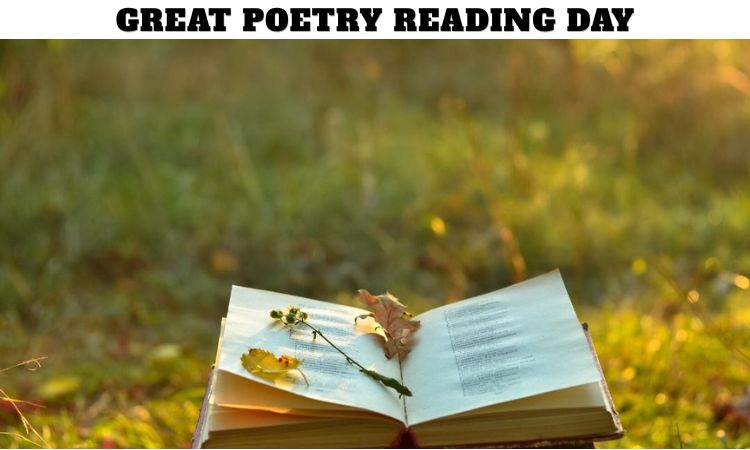
Every year on April 28, literature lovers, educators, writers, and readers come together to celebrate Great Poetry Reading Day, a meaningful observance dedicated to appreciating the timeless art of poetry through reading, reflection, and sharing. This special day encourages us to immerse ourselves in poetic works from diverse cultures, generations, and styles while recognizing poetry’s extraordinary ability to capture human emotion, preserve history, and inspire imagination.
Great Poetry Reading Day is not merely about reading verses aloud; it is about reconnecting with language in its most expressive form. From classical sonnets and epic poems to spoken word and modern free verse, poetry remains one of humanity’s most profound forms of artistic communication.
What Is Great Poetry Reading Day, and Why Is It Celebrated on April 28?
Great Poetry Reading Day, observed annually on April 28, is a literary celebration that promotes reading poetry and honoring poets whose words have shaped culture, language, and thought. This day inspires individuals of all ages to explore poetry’s emotional richness and intellectual depth.
The observance serves several purposes:
- Encouraging poetry appreciation
- Promoting literacy and creative expression
- Preserving literary traditions
- Introducing new generations to poetic classics
- Supporting poets and literary communities
April 28 provides an opportunity to pause from daily distractions and experience the beauty of rhythm, metaphor, and storytelling through verse.
Why Does Poetry Continue to Matter in Modern Society?
Poetry has endured for centuries because it distills complex emotions, experiences, and truths into carefully crafted language. Even in a digital age dominated by short-form content, poetry remains deeply relevant.
Poetry Gives Voice to Emotion
Poems articulate love, grief, joy, hope, anger, and identity in ways that resonate across generations.
Poetry Preserves Culture
From oral traditions to written anthologies, poetry safeguards societal values, historical memory, and linguistic beauty.
Poetry Encourages Critical Thinking
Readers interpret symbolism, tone, structure, and meaning, enhancing analytical skills.
Poetry Builds Human Connection
Through universal themes, poetry bridges cultures and personal experiences.
Great Poetry Reading Day reminds us that poetry is not outdated—it is essential.
How Did Poetry Become One of Humanity’s Oldest Art Forms?
Poetry predates modern literature and was one of the earliest methods of preserving stories before widespread writing systems.
Ancient beginnings include:
Oral Traditions
Epic poems like ancient myths and heroic tales were spoken aloud.
Religious and Sacred Texts
Many spiritual teachings incorporated poetic structure.
Cultural Storytelling
Poetry transmitted moral lessons, history, and identity.
Musical Origins
Rhythm and rhyme made poetry memorable.
From Homer to William Shakespeare, Maya Angelou, Rabindranath Tagore, and countless contemporary poets, poetry has evolved while maintaining its foundational purpose: expressing the human condition.
What Are the Different Types of Poetry We Can Explore on Great Poetry Reading Day?
One of poetry’s greatest strengths is its diversity. Great Poetry Reading Day encourages exploration across styles and traditions.
Popular poetic forms include:
Sonnet
A structured 14-line poem, often about love or philosophy.
Haiku
A concise Japanese form focused on nature and imagery.
Free Verse
Poetry without fixed rhyme or meter.
Epic Poetry
Long narrative poems about heroic deeds.
Spoken Word
Performance-based poetry emphasizing voice and social commentary.
Limerick
Humorous five-line verse.
Each style offers unique ways to appreciate language and creativity.
How Can We Celebrate Great Poetry Reading Day Meaningfully?
There are countless enriching ways to participate in Great Poetry Reading Day.
Read Classic Poems
Explore works by literary icons from different eras.
Discover Contemporary Voices
Modern poets offer fresh perspectives on identity, justice, and emotion.
Attend Poetry Readings
Libraries, schools, and cultural centers often host events.
Write Original Poetry
Personal expression is a powerful celebration.
Share Favorite Poems
Reading aloud with family or online communities spreads appreciation.
Teach Children Poetry
Introducing poetry early nurtures language skills and imagination.
The day can be celebrated privately, socially, or academically.
Why Is Reading Poetry Aloud So Powerful?
Poetry was historically designed for spoken performance, and reading aloud transforms written words into living art.
Sound Enhances Meaning
Rhythm, pauses, and tone reveal emotional layers.
Memorability Increases
Hearing poetry improves retention.
Performance Creates Connection
Public readings foster shared emotional experiences.
Confidence Grows
For students and aspiring writers, oral recitation strengthens communication skills.
Great Poetry Reading Day often emphasizes spoken poetry because it reconnects us with poetry’s roots.
How Does Poetry Benefit Mental and Emotional Well-Being?
Poetry can serve as a therapeutic and reflective practice.
Emotional benefits include:
Stress Relief
Reading calming poetry can reduce anxiety.
Self-Reflection
Poems often help readers process personal experiences.
Empathy Development
Understanding different perspectives expands compassion.
Creative Healing
Writing poetry can be cathartic.
Poetry therapy programs have increasingly recognized literature’s role in mental wellness, making Great Poetry Reading Day both intellectually and emotionally significant.
What Role Do Schools and Libraries Play in Great Poetry Reading Day?
Educational institutions are central to fostering poetry appreciation.
Schools can:
- Host poetry recitation contests
- Assign poetry writing workshops
- Introduce diverse poets
- Analyze famous works
Libraries can:
- Organize public readings
- Curate poetry collections
- Feature local poets
- Promote literacy campaigns
By engaging communities, these institutions ensure poetry remains vibrant and accessible.
Who Are Some Influential Poets to Explore on April 28?
Great Poetry Reading Day is an excellent time to revisit legendary voices.
William Shakespeare
Master of sonnets and dramatic verse.
Emily Dickinson
Known for introspective and innovative poetry.
Maya Angelou
Celebrated for resilience and social justice themes.
Robert Frost
Explored nature and human choices.
Rabindranath Tagore
Global literary icon blending spirituality and artistry.
Langston Hughes
Powerful voice of the Harlem Renaissance.
Reading across cultures enriches understanding of poetry’s universal power.
How Is Poetry Evolving in the Digital Age?
Poetry continues thriving through technology and social media.
Modern developments include:
Instagram Poetry
Short-form visual poetry reaches millions.
Virtual Poetry Slams
Online events broaden access.
Audiobooks and Podcasts
Poetry listening is more accessible.
Global Collaboration
Writers connect across borders.
Though formats evolve, poetry’s essence remains unchanged: meaningful expression through language.
What Is the Lasting Importance of Great Poetry Reading Day?
Great Poetry Reading Day matters because it reminds us that poetry is a living tradition, not a forgotten art. It nurtures literacy, imagination, empathy, and cultural awareness while celebrating language’s ability to move hearts and minds.
On April 28, we honor poetry’s enduring place in society by reading deeply, listening carefully, and embracing words that challenge, comfort, and inspire.
Frequently Asked Questions (FAQs)
1. When is Great Poetry Reading Day celebrated?
Great Poetry Reading Day is observed annually on April 28.
2. What is the purpose of Great Poetry Reading Day?
It promotes reading, appreciating, and sharing poetry.
3. Who can participate in Great Poetry Reading Day?
Anyone, including students, teachers, poets, and readers.
4. Why is poetry important?
Poetry expresses emotion, preserves culture, and encourages creativity.
5. What are common forms of poetry?
Sonnets, haikus, free verse, epics, and spoken word.
6. Can children celebrate Great Poetry Reading Day?
Yes, children can read, write, and perform poetry.
7. Is spoken word considered poetry?
Yes, spoken word is a modern and dynamic poetic form.
8. How can schools celebrate this day?
Schools can organize readings, contests, and workshops.
9. Can writing poetry improve mental health?
Many people find poetry writing therapeutic and emotionally beneficial.
10. Do I need to understand every poem completely?
No, poetry can be appreciated emotionally and personally in many ways.