

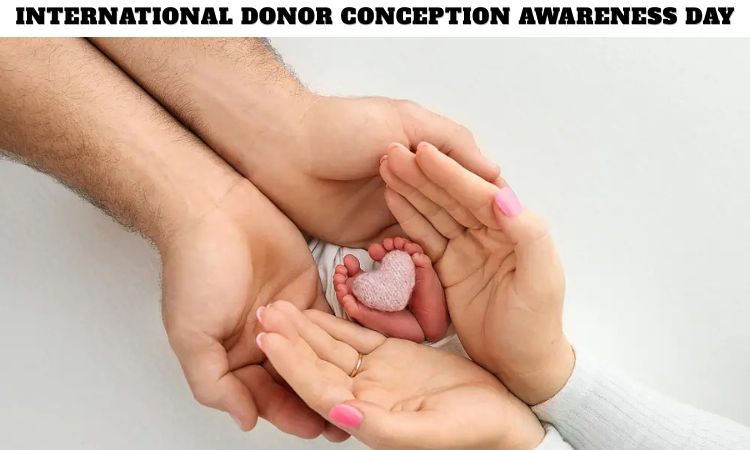
What Is International Donor Conception Awareness Day and Why Is It Observed on April 27?
International Donor Conception Awareness Day, observed annually on April 27, is a significant global initiative dedicated to raising awareness about donor conception, a process through which individuals are conceived using donated sperm, eggs, or embryos. We recognize this day as an opportunity to highlight the experiences, rights, and identities of donor-conceived people, as well as the perspectives of parents, donors, and families formed through assisted reproductive technologies.
We observe this day to foster transparency, openness, and understanding in conversations surrounding donor conception. It emphasizes the importance of acknowledging biological origins while promoting emotional well-being and identity awareness for donor-conceived individuals.
How Did International Donor Conception Awareness Day Begin?
We understand that this observance originated from the growing need to address the lack of awareness and open dialogue about donor conception. Historically, many families kept donor conception a secret due to social stigma or cultural sensitivities. However, with evolving societal norms and increased advocacy, there has been a shift toward honesty and openness.
Advocacy groups, donor-conceived individuals, and parents collectively contributed to establishing this day to ensure that the voices and experiences of all parties involved are recognized, respected, and heard.
What Does Donor Conception Mean in Modern Society?
We define donor conception as a method of assisted reproduction in which individuals or couples conceive a child using donated reproductive cells. This includes:
- Sperm donation
- Egg donation
- Embryo donation
In modern society, donor conception plays a crucial role in helping infertile couples, single parents, and LGBTQ+ families build families. It has transformed the traditional concept of parenthood, expanding it beyond biological ties to include emotional, social, and intentional parenting.
Why Is Awareness About Donor Conception Important?
We emphasize that awareness is vital to ensure ethical practices, informed decisions, and emotional well-being. Donor-conceived individuals often seek to understand their genetic origins, which can be essential for identity formation and medical history awareness.
Raising awareness helps:
- Promote transparency in family communication
- Encourage ethical fertility practices
- Support mental and emotional health
- Reduce stigma associated with non-traditional family structures
We believe that open conversations create a supportive environment where individuals can embrace their identities without fear or confusion.
What Challenges Do Donor-Conceived Individuals Face?
We recognize that donor-conceived individuals may encounter unique challenges, including:
- Identity questions related to biological origins
- Limited access to genetic and medical history
- Emotional struggles stemming from secrecy or late disclosure
- Difficulty connecting with biological relatives or donors
These challenges highlight the need for support systems, counseling, and accessible information to ensure a healthy sense of identity and belonging.
How Do Families Navigate Donor Conception Conversations?
We encourage families to adopt a transparent and age-appropriate approach when discussing donor conception. Open communication builds trust and helps children develop a secure understanding of their identity.
Effective strategies include:
- Introducing the concept early in a simple and honest manner
- Using books and resources designed for donor-conceived children
- Encouraging questions and providing truthful answers
- Creating a safe space for emotional expression
We stress that honesty strengthens family bonds and reduces confusion or emotional distress later in life.
What Role Do Donors Play in the Donor Conception Journey?
We acknowledge that donors play a critical role in helping individuals and families achieve parenthood. Donors may choose to remain anonymous or identifiable, depending on legal frameworks and personal preferences.
Their contribution raises important considerations, such as:
- Ethical responsibility toward offspring awareness
- Access to medical and genetic information
- Potential future contact with donor-conceived individuals
We highlight the importance of establishing clear guidelines and ethical practices to protect the interests of all parties involved.
How Does International Donor Conception Awareness Day Promote Ethical Practices?
We recognize that this day encourages discussions around ethical standards in fertility treatments. It promotes:
- Informed consent for donors and parents
- Transparency in donor identity policies
- Regulation of fertility clinics and practices
- Respect for the rights of donor-conceived individuals
We support the development of frameworks that prioritize human dignity, transparency, and long-term well-being.
What Are the Legal and Social Considerations of Donor Conception?
We understand that donor conception is governed by varying legal and social frameworks across different countries. These considerations include:
- Laws regarding donor anonymity or identity disclosure
- Parental rights and responsibilities
- Access to donor records
- Social acceptance of diverse family structures
We observe that increasing awareness leads to progressive policies that better protect individuals and families involved in donor conception.
How Can Society Support Donor-Conceived Individuals and Families?
We encourage society to foster an environment of acceptance, respect, and inclusivity. Support can be extended through:
- Promoting open conversations about donor conception
- Supporting advocacy groups and awareness campaigns
- Encouraging inclusive education systems
- Respecting diverse family identities
We believe that a supportive society ensures that donor-conceived individuals grow with confidence, dignity, and emotional security.
How Can You Participate in International Donor Conception Awareness Day?
We suggest several meaningful ways to observe this day:
- Share educational content to spread awareness
- Engage in discussions about family diversity and identity
- Support organizations working in reproductive health
- Listen to and amplify voices of donor-conceived individuals
- Encourage transparency in family narratives
Participation contributes to building a more informed and compassionate global community.
Frequently Asked Questions (FAQs)
1. What is International Donor Conception Awareness Day?
It is observed on April 27 to raise awareness about donor conception and support individuals and families involved in this process.
2. Why is donor conception awareness important?
It promotes transparency, ethical practices, and emotional well-being for donor-conceived individuals.
3. Who are donor-conceived individuals?
They are people conceived using donated sperm, eggs, or embryos.
4. What challenges do donor-conceived individuals face?
They may experience identity concerns, limited access to genetic history, and emotional challenges related to disclosure.
5. How should parents discuss donor conception with children?
Parents should use honest, age-appropriate communication and encourage open dialogue.
6. Are donors always anonymous?
No, donors can be anonymous or identifiable depending on legal and personal arrangements.
7. What role does this awareness day play globally?
It encourages dialogue, reduces stigma, and promotes ethical fertility practices worldwide.
8. Can donor-conceived individuals meet their donors?
In some cases, yes, depending on laws and agreements regarding donor identity disclosure.
9. How can society support donor-conceived families?
By promoting inclusivity, awareness, and respect for diverse family structures.
10. What is the goal of International Donor Conception Awareness Day?
The goal is to ensure transparency, awareness, and support for all individuals involved in donor conception.