

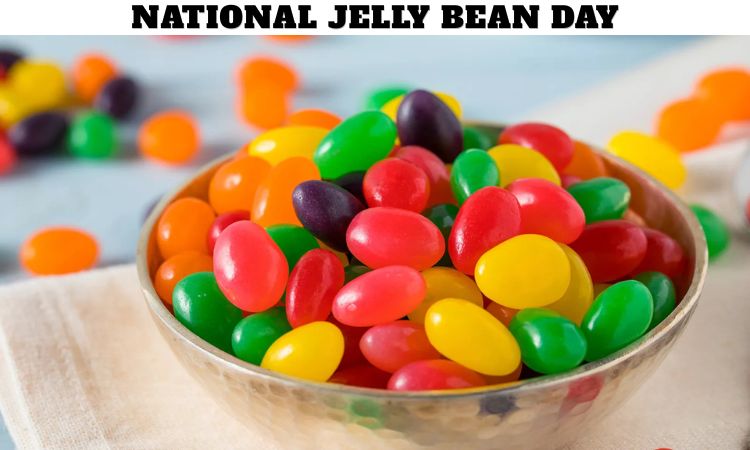
What Is National Jelly Bean Day and Why Is It Celebrated on April 22?
National Jelly Bean Day, celebrated every year on April 22, is a delightful occasion dedicated to one of the most beloved confections in the world—the jelly bean. This day honors the colorful, chewy candy that has captured the imagination of generations with its vibrant appearance and wide range of flavors.
We recognize this day as more than just a celebration of sweets; it is an opportunity to appreciate the cultural, historical, and culinary significance of jelly beans. From festive holidays to everyday treats, jelly beans continue to be a symbol of joy and indulgence.
What Are Jelly Beans and What Makes Them Unique?
Jelly beans are small, bean-shaped candies with a soft, chewy interior and a thin, glossy outer shell. What sets them apart is their diverse flavor spectrum, which can range from traditional fruity tastes like cherry and lemon to more adventurous options such as buttered popcorn and cinnamon.
The unique structure of jelly beans involves multiple layers of sugar coating, creating a satisfying texture that combines crunch and chewiness. Their bright colors and playful flavors make them a favorite among both children and adults.
How Did Jelly Beans Originate?
The history of jelly beans dates back to the 19th century. It is believed that the candy evolved from a combination of Turkish Delight and Jordan almonds, blending a soft interior with a hard shell coating technique known as panning.
Jelly beans gained widespread popularity in the United States during the late 1800s and became especially associated with Easter celebrations due to their egg-like shape. Over time, they transformed into a year-round favorite enjoyed across the globe.
Why Are Jelly Beans Associated with Easter Celebrations?
Jelly beans are closely linked to Easter because they resemble eggs, which symbolize new life and renewal. Their bright pastel colors further align with the festive and vibrant spirit of the holiday.
During Easter, jelly beans are commonly used in egg hunts, decorations, and gift baskets, making them an essential part of seasonal traditions. This association has significantly contributed to their popularity and cultural relevance.
What Are the Most Popular Jelly Bean Flavors?
The appeal of jelly beans lies in their wide variety of flavors. Some of the most popular options include:
- Cherry
- Lemon
- Orange
- Green apple
- Grape
- Strawberry
- Licorice
In recent years, manufacturers have introduced innovative and unconventional flavors, expanding the candy’s appeal to adventurous consumers.
How Are Jelly Beans Made?
The process of making jelly beans is intricate and involves several stages:
- Creating the center – A mixture of sugar, corn syrup, and flavoring is formed into the chewy core.
- Drying and shaping – The centers are allowed to set and take their signature shape.
- Panning process – Multiple layers of sugar coating are applied in rotating drums.
- Polishing – The beans are polished to achieve their glossy finish.
We note that this process can take several days, ensuring the perfect balance of texture and flavor.
How Do People Celebrate National Jelly Bean Day?
There are numerous ways to celebrate this sweet holiday:
- Enjoying a variety of jelly bean flavors
- Hosting tasting parties with unique flavor challenges
- Using jelly beans in baking and desserts
- Sharing candy with friends and family
- Creating colorful decorations and crafts
The day encourages creativity and enjoyment, making it a fun experience for all ages.
What Is the Cultural Significance of Jelly Beans?
National Jelly Bean Day holds a special place in popular culture and traditions. They have been featured in:
- Holiday celebrations
- Candy-themed events
- Pop culture references and media
Their association with happiness and celebration has made them a timeless confection that continues to evolve with changing tastes and trends.
Are Jelly Beans Suitable for Modern Dietary Preferences?
Today’s consumers are increasingly conscious of dietary choices, and jelly bean manufacturers have adapted accordingly. Many brands now offer:
- Sugar-free options
- Vegan-friendly varieties
- Organic and natural ingredient versions
These innovations ensure that jelly beans remain accessible to a broader audience while maintaining their classic appeal.
What Is the Future of Jelly Beans in the Confectionery Industry?
The future of jelly beans is driven by innovation and consumer demand. Trends shaping the industry include:
- Exotic and experimental flavors
- Health-conscious formulations
- Sustainable packaging solutions
- Customization and personalized candy experiences
We anticipate that jelly beans will continue to evolve, blending tradition with modern preferences to remain a favorite treat worldwide.
Frequently Asked Questions (FAQs)
1. What is National Jelly Bean Day?
National Jelly Bean Day is a celebration dedicated to enjoying and appreciating jelly beans.
2. When is National Jelly Bean Day celebrated?
It is celebrated annually on April 22.
3. Why are jelly beans shaped like beans?
The shape is inspired by natural beans and designed for easy consumption and visual appeal.
4. Are jelly beans only eaten during Easter?
No, jelly beans are enjoyed year-round, although they are especially popular during Easter.
5. What are jelly beans made of?
They are made from sugar, corn syrup, flavorings, and a coating that creates their outer shell.
6. How many flavors of jelly beans exist?
There are hundreds of flavors available, ranging from fruity to unique and experimental.
7. Are jelly beans vegan?
Some jelly beans are vegan, but it depends on the ingredients used by the manufacturer.
8. How should jelly beans be stored?
They should be stored in a cool, dry place to maintain freshness and texture.
9. Can jelly beans be used in recipes?
Yes, they can be used in baking, desserts, and decorative food presentations.
10. Why are jelly beans so popular?
Their variety of flavors, bright colors, and unique texture make them a universally loved candy.