

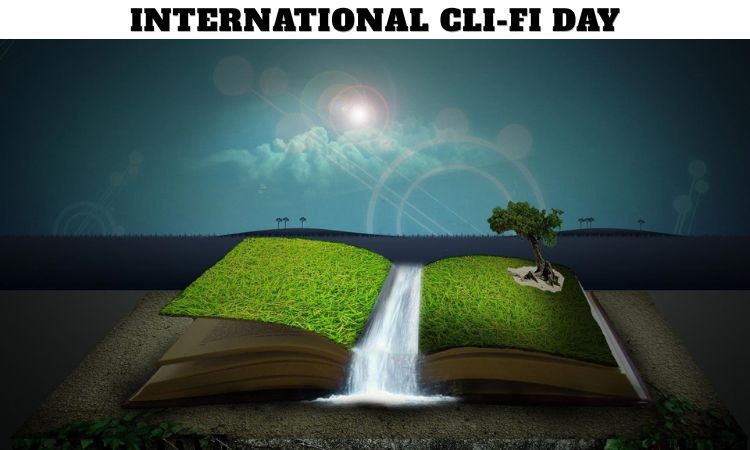
What Is International Cli-Fi Day and Why Is It Celebrated on April 20?
International Cli-Fi Day, observed on April 20, is a growing global awareness event dedicated to climate fiction (cli-fi)—a literary and creative genre that explores the impact of climate change on humanity and the planet. This day highlights the power of storytelling in addressing environmental challenges and encourages readers, writers, and creators to engage with narratives that imagine both the risks and solutions associated with a changing climate.
We recognize this day as an opportunity to amplify environmental consciousness through literature, fostering deeper understanding and dialogue around sustainability, ecological crises, and human resilience.
What Does Cli-Fi Mean and How Did the Term Originate?
Cli-fi, short for climate fiction, refers to a genre of storytelling that focuses on climate change and environmental transformations as central themes. The term gained popularity in the early 21st century, largely attributed to climate activist and journalist Dan Bloom, who promoted it as a way to bring climate issues into mainstream culture through fiction.
Cli-fi encompasses a wide range of narratives—from dystopian futures shaped by rising sea levels to hopeful stories of innovation and environmental recovery. It blends science, imagination, and social commentary, making it a powerful tool for awareness and change.
Why Is Climate Fiction Important in Today’s World?
Climate fiction plays a vital role in shaping how we perceive and respond to climate change. Scientific data alone often fails to evoke emotional engagement, but cli-fi bridges this gap by presenting human-centered stories that resonate deeply.
The importance of cli-fi includes:
- Raising awareness about environmental issues
- Encouraging empathy for affected communities
- Inspiring action and innovation
- Making complex science accessible
By translating climate science into compelling narratives, cli-fi makes the issue more relatable and urgent.
How Does Cli-Fi Influence Society and Culture?
Cli-fi has a profound influence on modern culture by shaping public discourse and influencing creative industries. Films, novels, and television shows inspired by climate themes have reached global audiences, prompting discussions on sustainability and future planning.
Notable works like The Water Knife and Snowpiercer illustrate how climate fiction can depict realistic consequences of environmental neglect, pushing audiences to reflect on current behaviors.
Cli-fi also influences policymakers, educators, and activists by providing narrative frameworks that highlight potential futures.
What Are the Common Themes Found in Cli-Fi Stories?
Climate fiction explores a variety of themes that reflect the multifaceted nature of environmental challenges. Common themes include:
- Rising sea levels and flooding
- Extreme weather events
- Resource scarcity
- Climate migration
- Technological solutions and innovation
- Ecological collapse and biodiversity loss
These themes are often intertwined with human experiences, making cli-fi both educational and emotionally impactful.
How Is International Cli-Fi Day Celebrated Around the World?
International Cli-Fi Day is celebrated through literary events, discussions, and creative initiatives that promote climate awareness. Activities include:
- Book readings and author talks
- Writing competitions focused on climate themes
- Workshops and seminars on environmental storytelling
- Film screenings and panel discussions
- Educational programs in schools and universities
These events aim to engage diverse audiences and encourage participation in climate-focused conversations.
What Role Do Writers and Artists Play in Promoting Cli-Fi?
Writers and artists are at the forefront of the cli-fi movement. Through their work, they translate scientific data into compelling narratives and visual experiences that capture attention and inspire change.
Authors like Margaret Atwood, known for works such as Oryx and Crake, have contributed significantly to the genre by exploring environmental degradation and ethical dilemmas.
Artists, filmmakers, and digital creators also contribute by producing content that visualizes climate futures, making the issue more tangible and urgent.
How Can Individuals Participate in International Cli-Fi Day?
Participation in International Cli-Fi Day is accessible to everyone. Individuals can:
- Read and share cli-fi books
- Write their own climate stories or poems
- Attend local or virtual events
- Engage in discussions about climate change
- Support environmental initiatives
By participating, individuals contribute to a broader movement that uses storytelling to drive awareness and action.
What Are the Benefits of Reading Climate Fiction?
Reading cli-fi offers numerous benefits beyond entertainment. It enhances:
- Environmental awareness
- Critical thinking about future scenarios
- Empathy for global communities
- Understanding of scientific concepts
- Motivation to adopt sustainable practices
Cli-fi empowers readers to envision both the consequences of inaction and the possibilities of positive change.
What Challenges Does Cli-Fi Face as a Genre?
Despite its growing popularity, cli-fi faces several challenges:
- Limited mainstream recognition
- Balancing scientific accuracy with storytelling
- Overcoming audience fatigue on climate topics
- Ensuring diverse and inclusive narratives
However, as climate change becomes an increasingly urgent issue, cli-fi continues to gain relevance and visibility.
What Is the Future of Climate Fiction Globally?
The future of cli-fi is promising, with increasing interest from publishers, filmmakers, and educators. As climate change remains a central global issue, cli-fi is expected to evolve and expand across media.
Emerging trends include:
- Interactive storytelling and digital media
- Integration into educational curricula
- Global collaboration among writers
- Focus on solutions and resilience
Cli-fi will continue to catalyze awareness, innovation, and cultural transformation.
Frequently Asked Questions (FAQs)
1. What is International Cli-Fi Day?
International Cli-Fi Day is observed on April 20 to promote climate fiction and raise awareness about climate change through storytelling.
2. What does cli-fi stand for?
Cli-fi stands for climate fiction, a genre focused on environmental and climate-related themes.
3. Who coined the term cli-fi?
The term was popularized by climate activist Dan Bloom.
4. Why is cli-fi important?
It helps communicate complex climate issues in an engaging and relatable way.
5. What are examples of cli-fi works?
Books like The Water Knife and films like Snowpiercer are notable examples.
6. How can I participate in Cli-Fi Day?
You can read, write, attend events, or engage in discussions about climate fiction.
7. Is cli-fi only about dystopian futures?
No, it includes both dystopian and optimistic narratives about climate change.
8. Can cli-fi influence real-world actions?
Yes, it can inspire awareness, empathy, and behavioral change.
9. Who reads cli-fi?
Readers of all ages interested in the environment, science, and storytelling.
10. Is cli-fi part of science fiction?
Yes, it is often considered a subgenre of science fiction.