

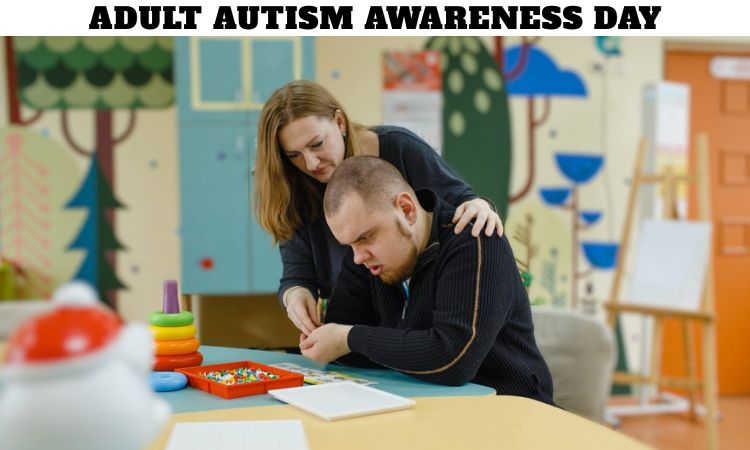
What Is Adult Autism Awareness Day and Why Is It Important?
Adult Autism Awareness Day, observed on April 18, is a significant global initiative dedicated to recognizing the experiences, challenges, and strengths of adults living with autism. While autism awareness campaigns often focus on children, this day emphasizes that autism is a lifelong neurodevelopmental condition that continues into adulthood.
We recognize that many adults remain undiagnosed or misunderstood due to limited awareness during their childhood. This observance plays a crucial role in bridging the awareness gap, encouraging society to embrace neurodiversity, and ensuring that autistic adults receive the respect, opportunities, and support they deserve.
What Is Autism Spectrum Disorder (ASD) in Adults?
Autism Spectrum Disorder (ASD) is a complex neurological condition that affects communication, behavior, and social interaction. In adults, autism may manifest differently compared to childhood presentations.
We often observe the following characteristics in adults with autism:
- Difficulty in social communication and interaction
- Preference for routines and structured environments
- Intense focus on specific interests or topics
- Sensory sensitivities (light, sound, textures)
- Challenges with emotional regulation
Despite these challenges, many autistic adults possess exceptional strengths, such as analytical thinking, attention to detail, creativity, and deep expertise in specialized areas.
Why Do Many Adults Remain Undiagnosed?
A significant number of individuals reach adulthood without a formal autism diagnosis. This occurs due to several factors:
- Limited awareness in earlier decades
- Masking or camouflaging behaviors to fit societal norms
- Misdiagnosis with other mental health conditions
- Gender bias, particularly affecting women
We emphasize that late diagnosis is not uncommon and can often lead to a profound sense of relief and self-understanding. Recognizing autism in adulthood enables individuals to access appropriate support systems and accommodations.
How Does Autism Affect Daily Life in Adulthood?
Autism impacts various aspects of daily living. We see its influence in:
Workplace Challenges
Many autistic adults face difficulties in traditional work environments due to:
- Unstructured communication
- Sensory overload
- Lack of accommodations
However, inclusive workplaces that adapt to neurodiverse needs can unlock immense potential and productivity.
Relationships and Social Life
Forming and maintaining relationships may be challenging due to:
- Difficulty interpreting social cues
- Communication differences
- Anxiety in social settings
Despite this, many autistic adults build meaningful and fulfilling relationships when supported with understanding and acceptance.
Mental Health Considerations
Autistic adults are at a higher risk of:
- Anxiety disorders
- Depression
- Burnout from masking behaviors
We stress the importance of mental health support tailored specifically to autistic individuals.
What Are the Strengths of Autistic Adults?
Adult Autism Awareness Day is not only about challenges but also about celebrating strengths. Many autistic adults demonstrate:
- Exceptional attention to detail
- Strong memory and pattern recognition
- Innovative problem-solving abilities
- Deep focus and dedication
- Honesty and integrity
These strengths make autistic individuals valuable contributors in fields such as technology, research, arts, and engineering.
How Can Society Support Autistic Adults?
Creating an inclusive society requires collective effort. We can support autistic adults through:
1. Promoting Awareness and Acceptance
Understanding autism reduces stigma and fosters empathy and respect.
2. Inclusive Work Environments
Employers should:
- Provide structured tasks
- Offer flexible work arrangements
- Reduce sensory triggers
3. Access to Healthcare and Diagnosis
Improving access to adult autism diagnosis and therapy services is essential.
4. Community Support Systems
Support groups and community networks provide:
- Emotional connection
- Shared experiences
- Practical advice
What Role Does Education Play in Adult Autism Awareness?
Education is a powerful tool in shaping perceptions. We believe that:
- Schools and universities should include neurodiversity education
- Professionals must receive training on autism-friendly practices
- Public awareness campaigns should highlight adult autism experiences
Through education, we can create a society that values diversity over conformity.
How Can Families and Caregivers Provide Better Support?
Families play a crucial role in supporting autistic adults. Effective strategies include:
- Respecting independence and individuality
- Encouraging open communication
- Understanding sensory sensitivities
- Supporting career and life choices
We emphasize that acceptance and patience are the foundations of meaningful support.
What Are Common Misconceptions About Adult Autism?
Several myths continue to surround autism in adulthood. We address some of the most common misconceptions:
- Myth: Autism only affects children
Reality: Autism is lifelong - Myth: Autistic individuals lack empathy
Reality: Many experience deep empathy but express it differently - Myth: All autistic people are the same
Reality: Autism is a spectrum with diverse experiences
Dispelling these myths is essential for building an inclusive and informed society.
How Is Adult Autism Awareness Day Celebrated?
Adult Autism Awareness Day is observed through:
- Workshops and seminars
- Awareness campaigns
- Community events
- Online discussions and storytelling
These activities help amplify the voices of autistic adults and encourage meaningful dialogue and inclusion.
What Steps Can Individuals Take to Raise Awareness?
Every individual can contribute to awareness efforts:
- Share accurate information about autism
- Support autistic-led initiatives
- Advocate for inclusive policies
- Practice empathy in everyday interactions
We believe that small actions collectively lead to significant societal change.
Frequently Asked Questions (FAQs)
1. What is Adult Autism Awareness Day?
Adult Autism Awareness Day, observed on April 18, focuses on increasing awareness and understanding of autism in adults.
2. Can autism be diagnosed in adulthood?
Yes, many individuals receive an autism diagnosis later in life, often bringing clarity and access to support.
3. What are common signs of autism in adults?
Common signs include social communication challenges, sensory sensitivities, and a preference for routines.
4. Is autism a mental illness?
No, autism is a neurodevelopmental condition, not a mental illness.
5. Do autistic adults live independent lives?
Many autistic adults live independently, especially with the right support and accommodations.
6. Why is adult autism often overlooked?
Lack of awareness, masking behaviors, and outdated diagnostic criteria contribute to underdiagnosis.
7. How can workplaces support autistic employees?
By offering structured environments, clear communication, and sensory-friendly spaces.
8. Are there treatments for autism in adults?
There is no cure, but therapies and support systems can improve quality of life.
9. How can families help autistic adults?
By providing understanding, respecting independence, and encouraging personal growth.
10. Why is awareness important for autistic adults?
Awareness reduces stigma, improves opportunities, and promotes inclusion in all areas of life.