

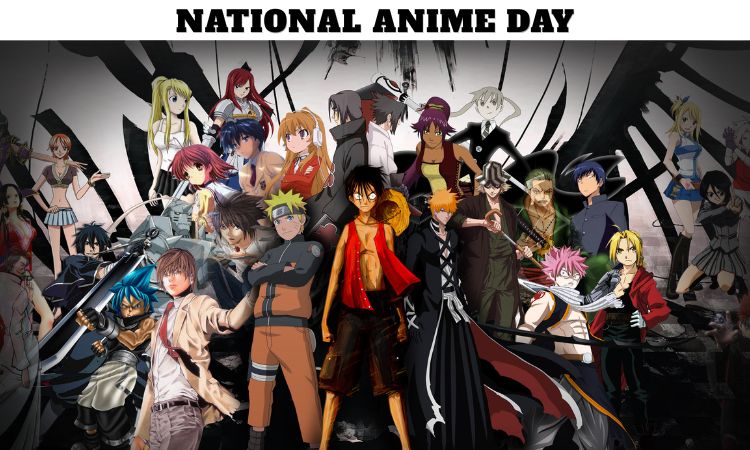
What Is National Anime Day, and Why Is It Celebrated on April 15?
National Anime Day, celebrated annually on April 15, is dedicated to honoring the art, culture, and global influence of anime, a distinctive style of animation that originated in Japan. This day recognizes anime as more than entertainment—it is a powerful storytelling medium that blends artistic expression, emotional depth, and cultural richness.
We observe National Anime Day to celebrate the creators, voice artists, studios, and millions of fans who have contributed to anime’s global success. From action-packed adventures to deeply emotional narratives, anime has become a universal language that connects audiences across cultures and generations.
How Did Anime Originate and Evolve?
Anime traces its roots back to early 20th-century Japan, where experimental animation began to emerge. Over the decades, anime evolved into a sophisticated industry, especially during the post-war era when television became widespread.
We recognize key phases in anime’s evolution:
- Early experimental animation (1910s–1940s)
- Television anime boom (1960s–1980s)
- Global expansion and technological growth (1990s–present)
The introduction of iconic series and films helped establish anime as a major cultural export, transforming it into a multi-billion-dollar global industry.
What Makes Anime Unique Compared to Other Animation Styles?
Anime stands out due to its distinct visual style, storytelling depth, and thematic diversity. Unlike traditional Western animation, anime often explores complex subjects such as identity, morality, love, and societal challenges.
Key features that define anime include:
- Expressive character designs with detailed emotions
- Cinematic storytelling techniques
- Wide range of genres, from fantasy to psychological drama
- Target audience spanning children, teens, and adults
We emphasize that anime’s ability to combine artistic creativity with compelling narratives makes it uniquely powerful.
Why Has Anime Gained Massive Global Popularity?
Anime’s global rise can be attributed to its accessibility and universal themes. With the advent of streaming platforms, anime is now easily available to audiences worldwide.
We identify several reasons for its popularity:
- Relatable and diverse characters
- Engaging storylines that appeal to all age groups
- Cultural curiosity about Japanese traditions
- Strong fan communities and online engagement
Anime has successfully transcended cultural barriers, becoming a mainstream form of entertainment across continents.
What Are the Most Popular Anime Genres?
Anime offers a wide variety of genres, ensuring there is something for every viewer. Each genre caters to different tastes and preferences.
Popular anime genres include:
- Shonen – Action-packed series aimed at younger audiences
- Shojo – Romantic and emotional stories
- Seinen – Mature themes for adult viewers
- Isekai – Fantasy worlds and alternate realities
- Slice of Life – Realistic and everyday experiences
We note that this diversity is a major factor behind anime’s widespread appeal.
Which Iconic Anime Series and Films Have Shaped the Industry?
Several anime series and films have played a crucial role in shaping the global perception of anime. These works have set benchmarks for storytelling and animation quality.
Some influential titles include:
- Naruto
- Dragon Ball Z
- Attack on Titan
- One Piece
- Spirited Away
We highlight that these productions have not only entertained audiences but also introduced anime to new viewers around the world.
How Does Anime Influence Global Culture and Entertainment?
Anime has had a profound impact on global culture, influencing fashion, music, gaming, and even filmmaking. Its unique aesthetics and storytelling techniques have inspired creators across various industries.
We observe its influence through:
- Cosplay culture and fan conventions
- Anime-inspired video games and merchandise
- Adoption of anime art styles in global media
- Collaborations between Japanese and international creators
Anime continues to shape modern entertainment trends and creative expression.
How Can Fans Celebrate National Anime Day?
National Anime Day is an opportunity for fans to immerse themselves in their favorite series and share their passion with others.
Ways to celebrate include:
- Watching favorite anime series or movies
- Organizing anime-themed events or watch parties
- Participating in cosplay activities
- Sharing fan art or reviews online
- Exploring new genres or lesser-known titles
We encourage fans to use this day to deepen their appreciation for anime and connect with the global community.
What Role Does Technology Play in Anime’s Growth?
Technology has significantly contributed to the expansion of the anime industry. From production to distribution, advancements have made anime more accessible than ever.
Key technological contributions include:
- Digital animation techniques
- Streaming platforms for global reach
- Online fan communities and forums
- High-quality dubbing and subtitling
We recognize that technology has enabled anime to reach millions of viewers instantly, fueling its international success.
What Is the Future of Anime as a Global Phenomenon?
The future of anime looks exceptionally promising as demand continues to grow worldwide. Studios are investing in innovative storytelling and advanced animation techniques to meet audience expectations.
Future trends include:
- Increased international collaborations
- Expansion into virtual reality and immersive experiences
- Greater representation of diverse cultures and stories
- Continued growth of streaming platforms
We foresee anime maintaining its position as a dominant force in global entertainment.
Frequently Asked Questions (FAQs)
1. What is National Anime Day?
National Anime Day is celebrated on April 15 to honor Japanese animation and its global cultural impact.
2. Why is anime so popular worldwide?
Anime is popular due to its unique storytelling, diverse genres, and relatable characters.
3. Is anime only for children?
No, anime caters to all age groups, including adults with mature themes.
4. What are the most popular anime genres?
Popular genres include shonen, shojo, seinen, isekai, and slice of life.
5. How can I celebrate National Anime Day?
You can watch anime, attend events, cosplay, or share content online.
6. Which anime series are considered iconic?
Series like Naruto, Dragon Ball Z, and One Piece are highly influential.
7. How has anime influenced global culture?
It has impacted the fashion, gaming, and entertainment industries worldwide.
8. What makes anime different from Western animation?
Anime features unique art styles and often explores deeper themes.
9. Is anime available globally?
Yes, streaming platforms have made anime accessible worldwide.
10. What is the future of anime?
Anime is expected to grow with technological advancements and global collaborations.